

Audio By Carbonatix
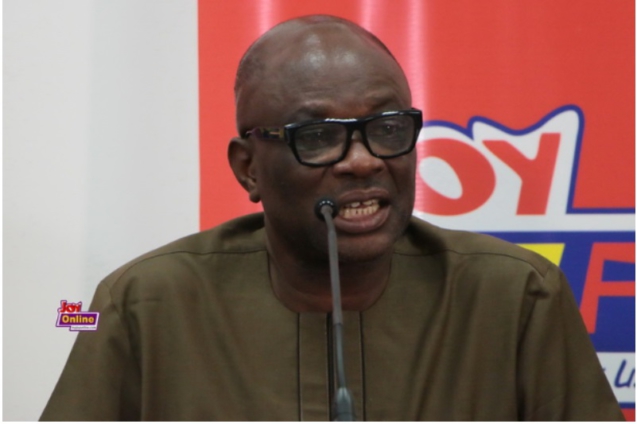
The President of the Ghana Union of Traders Association, Dr. Joseph Obeng, has reiterated that any intention by the government to scrap the 50% Benchmark Value at the ports "will be suicidal".
In a press statement, Dr. Obeng expressed that the Benchmark Value brought relief to the trading community, sanity into the system, and eased tension and agitations amid the impact of the coronavirus on cross-border trade.
"Any attempt to remove this good policy of the government that brought relief will be suicidal for the state because it will not only collapse business but also cause an unbearable rise in prices of goods and services beyond the reach of consumers, especially, low income earners and the unemployed," he warned.
The Association of Ghana Industries (AGI) hold the position that the reduction in the Benchmark Values by up to 50% had cheapened imports and dampened demand for local substitutes, resulting in a slowdown in growth in the manufacturing companies.
In a plea that had since been rejected forcefully by the umbrella body of the trading community, the advocacy body for manufacturers said the policy on benchmark value reduction must be reviewed downwards to safeguard manufacturing jobs and protect the fortunes of the sector from deteriorating further.
The Chief Executive Officer of the AGI, Seth Twum-Akwaboah, told Charles Ayitey on the Market Place that domestic processors of rice and edible oil were the worst hit, with big names such as the Avnash Industries Ghana Limited and the Wilmar Africa Limited shrinking operations and laying off workers, following the introduction of the policy two years ago.
He said following the drop in demand for their products, the local manufacturers have been forced to reduce their demand for raw materials from local farmers “and that is having a supply chain effect.”
“In effect, what the policy does is that it makes the imports less costly and more profitable, and we are saying that it does not encourage local manufacturing. Again, we think that it defeats the government’s own policy of industrialization which is to encourage domestic manufacturing through the One-District, One-Factory (1D1F) initiative.”
--
Latest Stories
-
Neville calls Man Utd ‘pathetic’ – but Carrick maintains belief
4 hours -
Cunha rescues point for Man United at Fulham
5 hours -
Government has improved sanitation in one-and-a-half years — Salaga South MP
5 hours -
Impressive defence behind Iraola’s solid Liverpool start
5 hours -
Nkwanta North Assembly to appear before Parliament over DACF sanitation spending
5 hours -
PSG beat Marseille for second league win of the season
5 hours -
Mourinho prints out ‘red card’ incidents after Real lose derby
5 hours -
Atletico beat 10-man Real in feisty Madrid derby
5 hours -
Twelve Tribes of Israel Ghana to mark 40 years with anniversary celebration
6 hours -
GPL 2026/27: Hearts held by Bechem as Kotoko, Samartex share spoils
6 hours -
My Story (Kwaku Antwi-Boasiako)
6 hours -
We expect growth rate to re-accelerate in second-half of 2026 – IC Insights
6 hours -
The ungodliness and unrighteousness underlying the National Cathedral mess!
6 hours -
T-bills auction: Government fails to achieve target; yield on 91-day-bill remains unchanged
7 hours -
It’s Ghana’s shame to denigrate Nkrumah when the whole world honours him as African of the Century – Asiedu Nketiah
7 hours