

Audio By Carbonatix
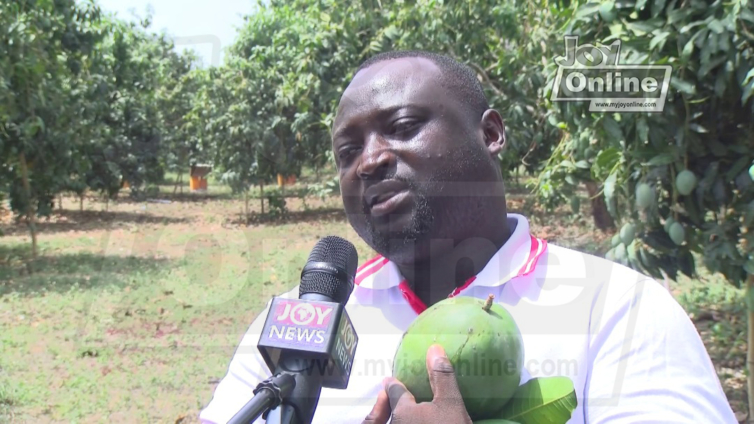
“It’s discouraging. To be frank, it’s discouraging because you invest a lot, and at the end of the season when you are ready to harvest, you see BBS destroying your fruits. And in fact, most of the farmers here are selling off their lands because of this BBS issue.”
This is the thought of a mango farmer in Somanya, who is only hanging on hope for a brighter day in his farming adventure.
Ghana’s mango sector is crumbling; it is faced with a disease that has overwhelmed many farmers, and surprisingly, the government has done little to inspire the hope needed. Players in the industry are gradually losing their investments, and are making decisions that make the future of the mango industry gloomy.
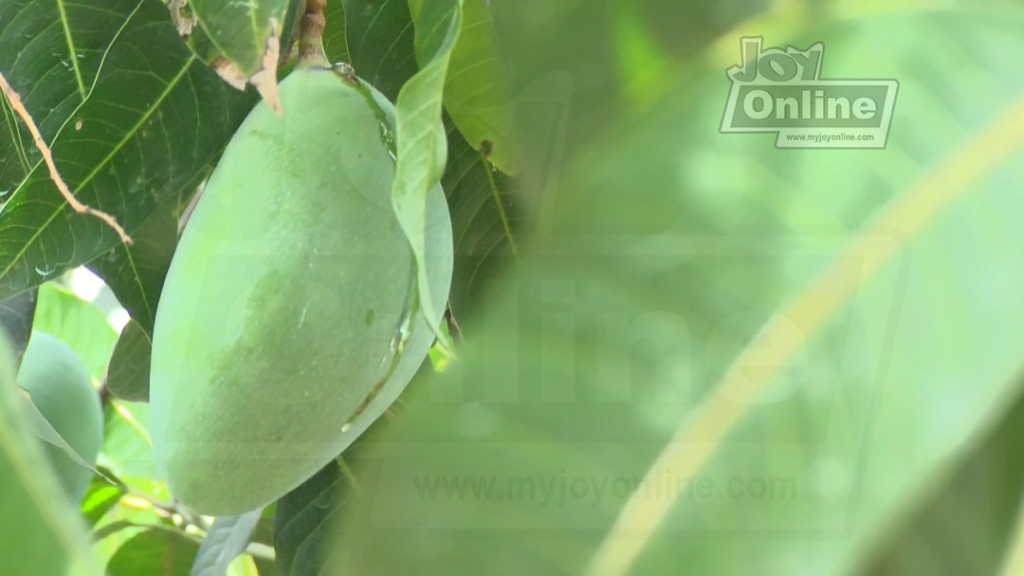
Obed Amevor owns a 10-acre mango farm at Somanya. Mango farming has been his source of livelihood for the past 15 years.
Obed says everything looked good until recently when disaster struck; a disease called the bacterial black spot, popularly known as BBS, attacked farms in the Yilo Krobo municipality, and its environs and his was not spared.
Last year alone, he lost more than half of his investment to this disease.
“This BBS issue has been a problem for all the mango farmers, surprisingly, we have been making all the noise but nothing seems to be happening. For instance, last season, I was supposed to harvest for HPW, and after farm assessment, I was supposed to harvest 36 tons, but I only got 11 tons because of this BBS. And they can testify that that is what is happening.
“And nobody knows what will happen this season because the rains haven’t started yet, but once the rains start, nobody knows what will happen. It’s really bad; it’s really making us lose a lot. It used to be profitable; some years back, it was very profitable because we used not to have this. It used to be very very profitable,” he revealed.
Somanya is one of the major mango production enclaves in Ghana. Unlike other communities in Ghana, mango farmers here are able to harvest twice a year. But the bacterial black spot (BBS) is something that is causing a lot of frustration.
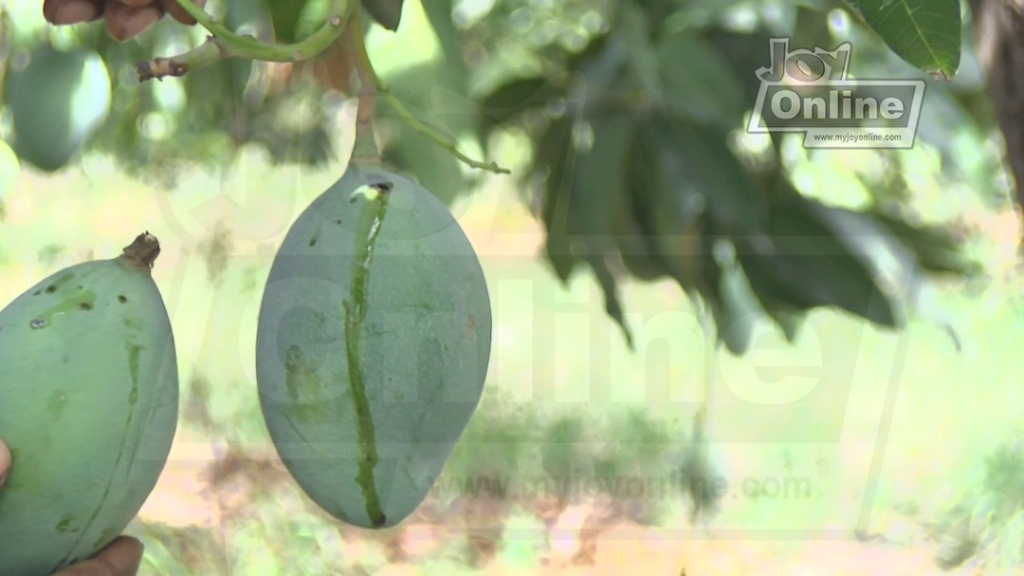
Experts say the bacterial black spot (BBS) is a serious mango disease that may result in a 50% to 80% reduction in fruit production.
Obed, who has been grappling with this disease, says the situation is not making mango farming attractive any longer, since no permanent solution has been found in Ghana.
“It’s discouraging. To be frank, it’s discouraging because you invest a lot; when it comes to mango business, it is capital intensive - everybody knows that and at the end of the season when you are ready to harvest, you see BBS destroying your fruits,” he narrated.
Sadly, he says, many of his compatriots have started selling off their farms because they cannot bear the cost of maintaining the farms any longer.
“And in fact, most of the farmers here are selling off their lands because of this BBS issue. They will always tell you ‘BBS is making me lose, and that is why we are selling off the lands’. For now, every farmer knows how to handle the other issues, but not BBS.
“If you are supposed to invest say 6,000 per acre for the whole season, and you have 20 crates, calculate how much you will spend. So you invest all this and when it’s time for you to harvest, and all this goes down the drain, then what are you doing in the business?” he quizzed.
According to him, the problem becomes more pronounced when the harvesting season approaches. He told Joy News “if you come here about a week or two to harvest season, and you see the mangoes on the floor, it is devastating. It is not encouraging for a new person to come in and see this. But to be frank, most farmers have regretted investing into the business”.
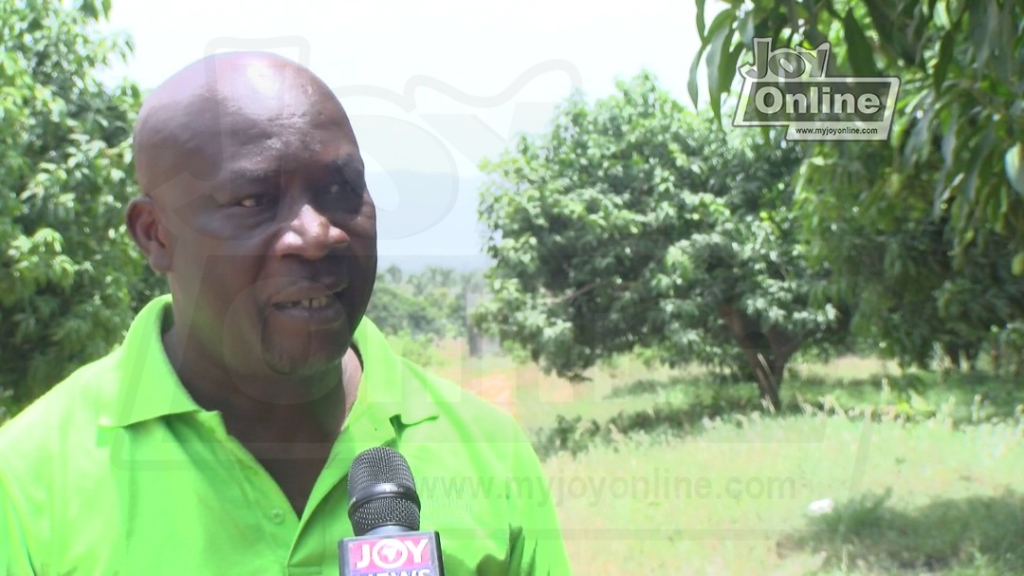
The young farmer, who is the CEO of Obed Amevor Farms, blamed government for the long silence on the suffering of mango farmers and said government will be telling lies if they say they are not aware of their predicament.
“They have been to our farms; we have gone with them to meetings, and we have made all the noise that we can, but nothing…We are only at the mercy of NGOs and processors who come to do training for us, and even those training are only meant to help us manage it, and not to prevent or cure it. And even that, the chemicals are expensive.
“What I don’t understand is how government rushed to help cocoa farmers when the issue of black pod in cocoa began. So why can’t they do the same for mango?"
With the cost of input soaring, the Chairman of the Yiko Krobo Mango Farmers Association, Gideon Doe Bokomi says the biggest challenge confronting mango farmers in Ghana is funding.
“We need funds, and we need proper research to be done. Currently, when the chemicals are brought, everybody does his spraying, and that is not effective. We need the government to get involved; the agric institutions and the universities must also get involved because that is the only way we can solve this,” he said.
He revealed rather sadly that the whole mango industry is on the verge of collapse if nothing is done immediately.
“It is the whole Ghana; the whole mango industry is on its knees, and if we don’t solve it, the system will collapse; we will lose our investments and a lot of people will be unemployed,” he said.
Latest Stories
-
Why must I renew my vehicle’s registration number every 2 years?
2 minutes -
Parliamentary Privilege and the Limits of Personal Liberty: A study on the immunity of members of parliament from arrest in Ghana
3 minutes -
Kwabenya Court denies bail to six accused in alleged 3.9-tonne cocaine shipment
4 minutes -
Ghana opposes calls to abolish ICC, urges stronger action against crimes against humanity
11 minutes -
Cedi remains under pressure due to Christmas demand; going for GH¢11.90 at forex bureaus
12 minutes -
NDC opens nominations for 2026 regional executive elections on October 6
13 minutes -
Ghanaian nurses to receive higher pay, health insurance and rent allowance under new Saint Kitts and Nevis agreement
21 minutes -
JoyNews’ Emmanuel Adu Gyamfi named ‘Digital Tourism Icon of the Year’ in Ahafo Region
26 minutes -
Hurricane Polo makes landfall on Mexico’s Pacific coast
30 minutes -
US ban on Canadian alcohol and dairy comes into effect as trade war drags on
31 minutes -
GES orders SHS heads to refund unauthorised fees collected from parents
39 minutes -
AFCON 2027Q: ‘We don’t need to cry over spilled milk’ – Damba on Ghana injury concerns
43 minutes -
NDC communicator blames documentation, payroll validation for teachers’ promotion arrears delay
44 minutes -
2026 JoyNews Impact Maker Award winner brings clean water to Yoko Tsume after years of cattle dugout dependence
51 minutes -
Sarkodie commends Mahama for rejecting US health compact
51 minutes