

Audio By Carbonatix
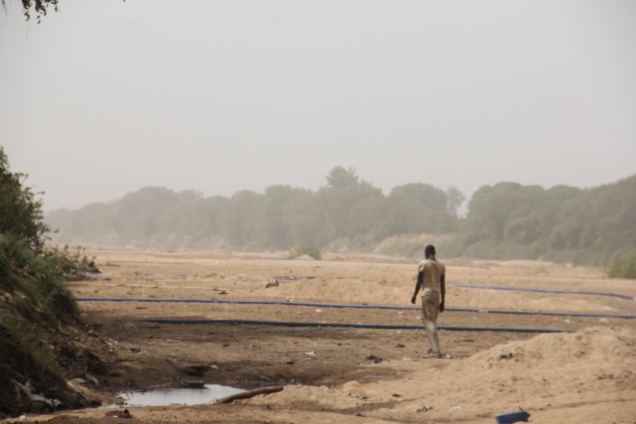
Ghana's energy sector is exposed to drought and floods, which threaten the production and transmission network due to the impact of climate change.
Geospatial risk analysis shows that five main exposed power plants in Akosombo, Sunon-Asogli, Bui, Kpong, and Cenpower provide electricity to 16.3 million people.
Additionally, the five main exposed substations located at Ga West, Hohoe, Ga South, Greater Accra and Sefwi Bibiani-Anhwiaso Bekwai provide power transmission to 3.9 million people.
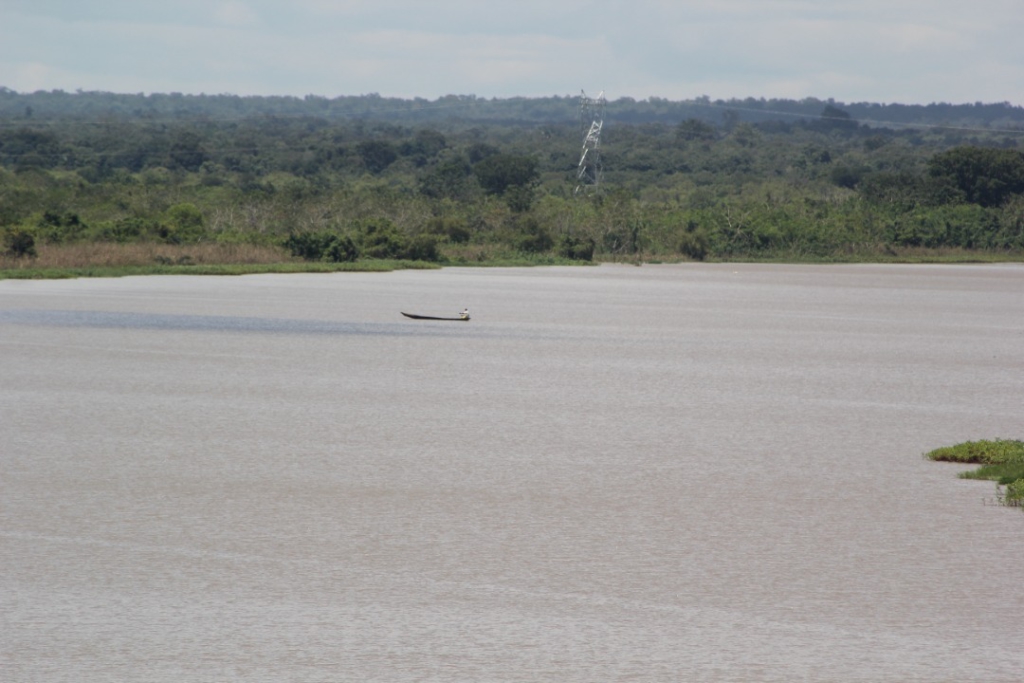
Increased droughts in rural areas have also been identified as threatening the future energy availability of over 242,000 people in the five most exposed districts. This includes Wa East, Banda, Sissala West, Lawra and Wa West districts with disproportionate repercussions on women and girls who are often responsible for collecting fuel.
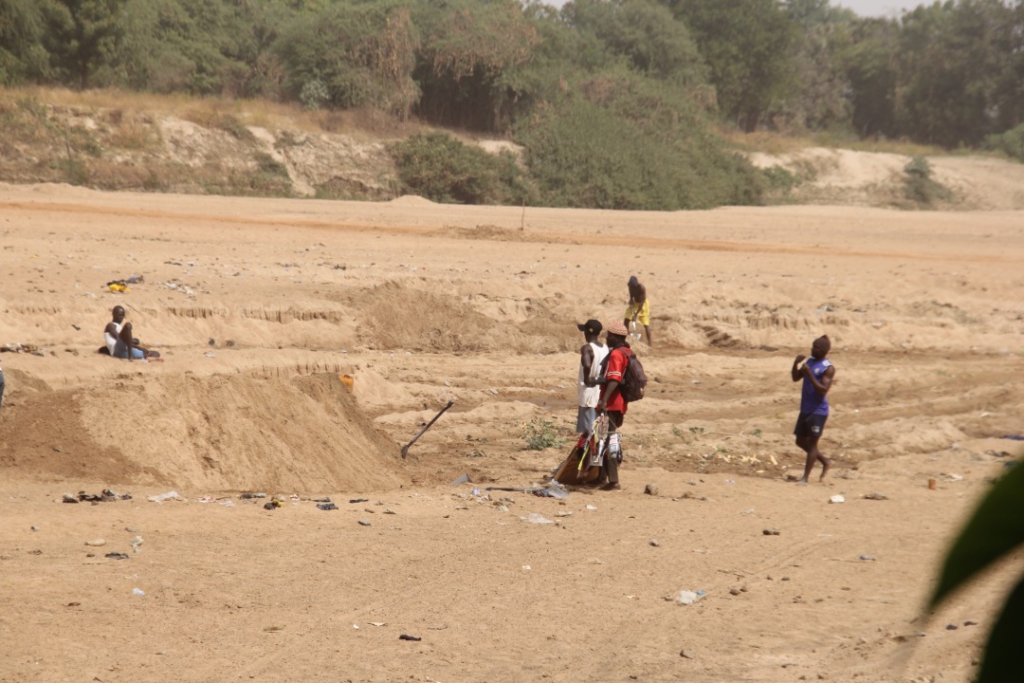
Drought is also expected to reduce river runoff, affecting up to 1.3 million people across the country, with significant implications for women and girls who are often responsible for collecting water.
Lack of integration of climate adaptation in national policy and planning instruments; a lack of climate risk assessment in sector planning, locking in climate risks due to long asset life; unsuitable design standards that are not relevant to the national context; and insufficient maintenance funding for retrofitting, rehabilitation, and expansion of existing power generation have been identified as key institutional gaps in the sector.
A cross-sectional study ''Ghana: Roadmap For Resilient Infrastructure In A Changing Climate," has found.
The roadmap is a 21-month joint work among eight ministries, eight agencies, the global centre for adaptation, the university of Oxford, the united nations office for project services and the united nations environmental Programme to define and propose solutions to meet Ghana's priority adaptation needs.
The study found that during project preparation, no climate risk assessment was required for new energy sector projects as part of the Environmental Impact Assessments (EIAs).
The analysis found that flooding and landslides affecting roads, including major highways, could cause as much as $3.9 billion in damage nationally under a 2050 flood scenario - three times Ghana's estimated US$1.3 billion investment in transportation infrastructure in 2019.
Many districts in the Eastern, Central and Western regions are at risk of seeing more than 80 percent of their population effectively cut off from health services which particularly affects women who access health care more frequently than men.
Airports and ports, which support local economic development and international mobility, are also at high risk of flooding. Over half a million passenger trips in the top three exposed airports in Tamale, Ho, Takoradi and 1.7 million in the top five exposed inland river ports in Makange, Yeji, Dambai, Dodolkope, and Kete Krachi are also at high risk.
The suggested options to address specific gaps and vulnerabilities identified in the needs assessment portion of the study, including, protecting critical energy/water supply facilities and natural resources, safeguarding critical transportation infrastructure and providing access to essential services.
The rest are to support districts that are particularly vulnerable to climate impacts, build institutional capacity that is aligned with and complementary to existing government policies, plans and initiatives.
The study is part of the Government of Ghana's integrated approach to building systemic climate resilience and aims to support and accelerate the mobilization of finance for climate resilience.
Latest Stories
-
Who gave Gbande the EOCO remote control?
14 minutes -
Ghana begins review of 1999 National Land Policy, targets new framework by 2027
54 minutes -
Tiptoe Lane’s tech takeover: The story behind Ghana’s booming informal phone market
2 hours -
Abanga vows to use social media to counter NDC messaging ahead of 2028 elections
2 hours -
Okai Mintah seeks Sabah Zita Benson’s support for NDC National Youth Organiser bid
3 hours -
Okai Mintah vows to strengthen NDC campaign machinery ahead of 2028
3 hours -
Mother of four and Jasikan teacher among new Telecel M’ahitti Promo winners
3 hours -
International Youth Shakers Conclave 2026 set to bring global young leaders to London
3 hours -
Gov’t is committed to addressing teachers’ conditions of service, deprived-area allowance – Education Minister
3 hours -
GoldBod’s structure encouraging galamsey – Afenyo-Markin
3 hours -
Tullow starts selling Jubilee, TEN crude to Ghanaian refineries
3 hours -
Local Government Service authorises rationalisation, redistribution of staff
3 hours -
PURC assures consumers of working to ensure quality services in Northern Region
3 hours -
Ghana develops US$4.28bn water financing framework
3 hours -
Christian Council calls for protection of mission schools’ religious identity
3 hours