

Audio By Carbonatix
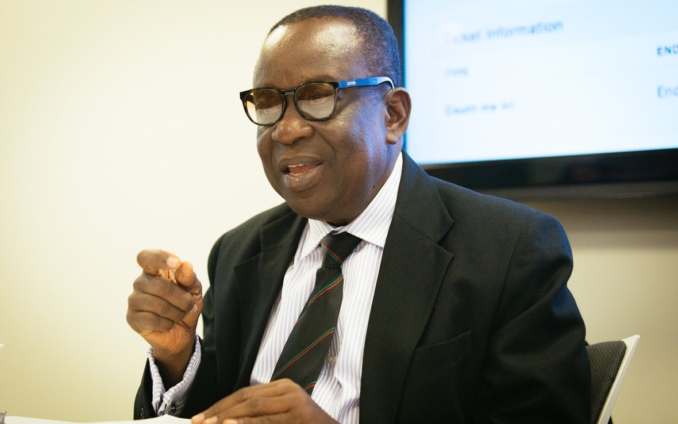
The National Security Minister, Albert Kan Dapaah, has warned that the perception that the judiciary is biased has dire consequences on the country’s security.
According to him, citizens may be forced to take the law into their own hands for personal satisfaction if the bench is deemed to be biased.
In recent months, the opposition National Democratic Congress (NDC) in particular has accused the judiciary of being biased because the party has lost a string of cases before the courts.
But speaking during a sensitisation workshop on the national security strategy for judges of the superior courts, Mr Kan Dapaah cautioned against such characterisations stressing they could mar the security structure and established systems of justice.
“Injustice occasioned as a result of the absence of an effective justice delivery system or delayed justice or biased justice is certainly a threat to national security. Indeed, when injustice abounds, particularly in situations where the bench, which is considered the final arbiter of disputes, is deemed biased, citizens tend to take the law into their own hands most times without recourse to the established systems of justice delivery,” he said.
He added that the judiciary's role is paramount in helping to safeguard the security of the nation; hence, the need to have proper engagements that can sensitise judges to be able to deal with emerging threats that come to them.
Although justice tends to be overlooked, Mr Dapaah said peace, stability and security cannot be achieved without justice.
“Justice is the foundation upon which the rule of law, equality before the law and fairness of the law are established. The failure of the criminal justice system to ensure effective and expeditious trial of criminals adversely impacts the morale of law enforcement agencies, emboldens criminals to perpetrate more crime, and breeds lawlessness among the citizenry; developments which threaten the internal security of the State.”
“The need to safeguard our collective security as a State requires that we work assiduously to eliminate all forms of injustice.
“The ultimate responsibility in doing so lies squarely at the feet of members of Ghana’s judicial system who are entrusted by law with the power to ensure effective justice delivery,” he stated.
Latest Stories
-
BoG Governor, all MPC members voted to keep policy rate at 14%
4 minutes -
Richard Ahiagbah rejects Global InfoAnalytics poll, says delegates will decide NPP election
13 minutes -
Importers petition GRA over alleged unauthorised removal of 28 containers from Tema Port
22 minutes -
Creative Arts Agency Board seeks Lands Ministry’s support for welfare project
29 minutes -
Mahama and Kyrgyzstan Foreign Minister discuss AU-UN cooperation – Ablakwa
49 minutes -
Ghana, Kyrgyzstan explore cooperation in gold mining and trading
50 minutes -
Bono Region teacher unions back strike, demand action on outstanding grievances
52 minutes -
Strike still in force, stay home – GNAT, NAGRAT and PRETAG tell teachers
57 minutes -
Daily Insight for CEOs: Turning Q4 priorities into measurable results
1 hour -
Heartbreak Diet: Five foods to eat after a breakup or divorce
1 hour -
Health benefits of sweet potatoes
1 hour -
Farmers must be central to research – Prof Asare-Bediako
1 hour -
Nandom youth advocate urges end to political insults, rising drug abuse
1 hour -
Ho edition: Republic Bank-JoyNews Habitat Fair to offer financing from land acquisition to home completion
1 hour -
Three Chinese-operated massage spas shut down in Ashanti Region over licensing breaches
1 hour