

Audio By Carbonatix
Government through the Ministry of Energy is anticipating a significant utilization of renewable energy sources towards attaining the UN Sustainable Development Goal 7 by 2030.
The Ministry targets to harness 10 per cent of Ghana’s renewable energy resources in consolidating the country’s energy security.
Deputy Minister of Energy, William Owuraku Aidoo, indicated the Ministry is in the process of fully harnessing and including renewable energy in Ghana’s electricity mix.
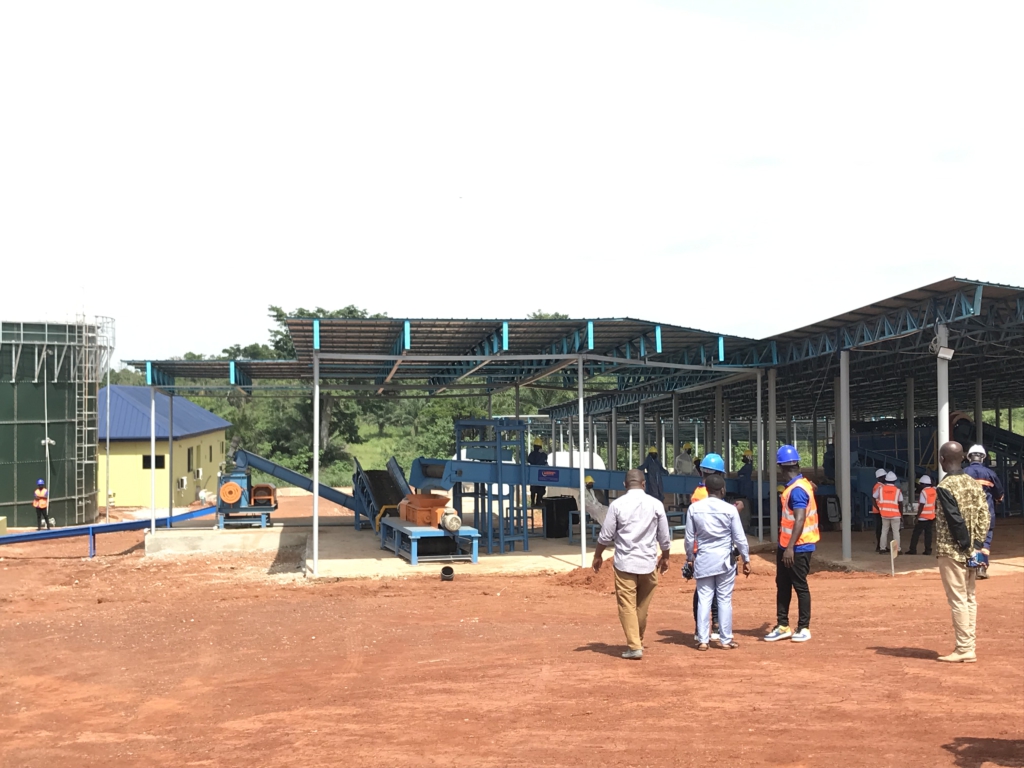
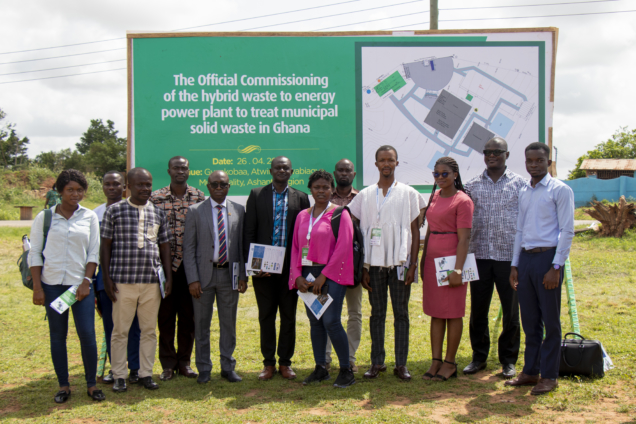
He spoke at the official commissioning of a 400Kw hybrid waste-to-energy power plant at Gyankobaa in the Ashanti region.
“The Ministry of Energy is undertaking a nationwide consultation as part of the efforts to develop a national energy transition action plan.
“Even though Ghana is endowed with renewable energy resources such as solar, hydro and wind, the ministry is still in the process of developing them with a target of 10% renewable energy penetration by 2030,” he said.
The hybrid waste-to-energy facility aims at developing concepts for waste segregation and its subsequent conversion to energy through research and capacity building.
In building high-level local expertise for the set target, some postgraduate students of the University of Energy and Natural Resource (UENR) are also receiving research training.
Vice Chancellor of the University, Professor Elvis Asare-Bediako, is enthused at their contribution to Ghana’s transitioning from traditional hydroelectricity to renewable energy source.
“With this project, the University hopes to contribute to the Sustainable Development Goals and help solve key challenges in the country’s economic development.
“The students are undergoing training to convert agricultural waste to energy with some foreign institutions,” he said.
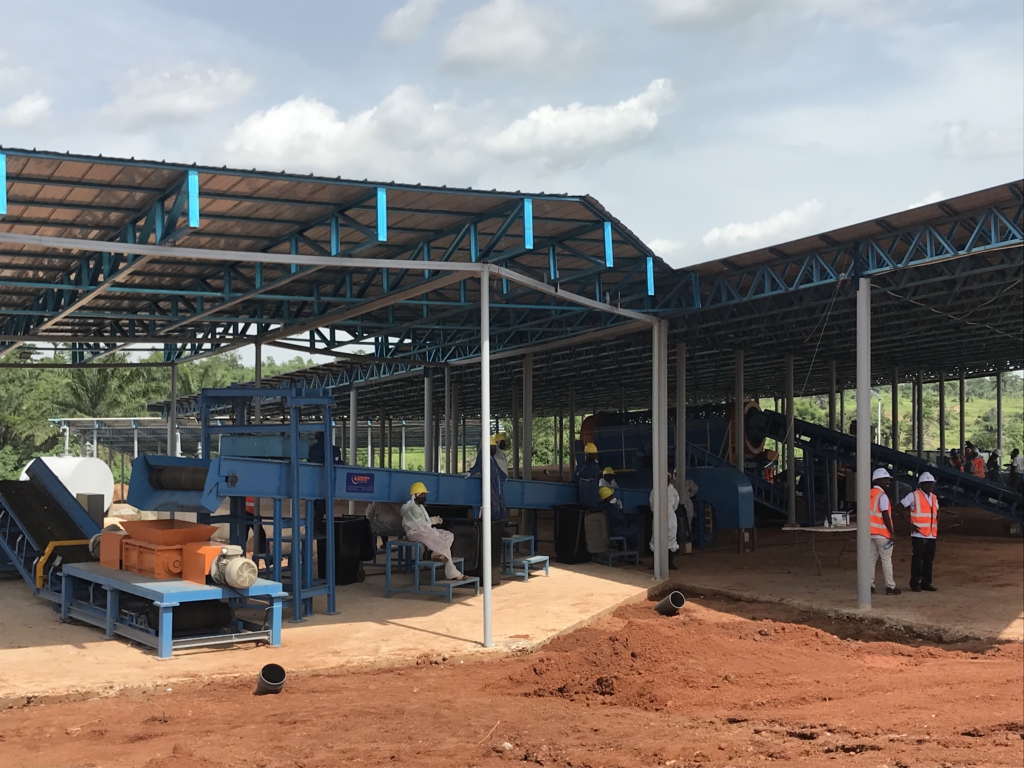
The project, which is still under construction, will accommodate a Resource Description Framework (RDF) plant, carbon dioxide gas capture, a direct biogas steam reformation plant and a methanation plant.
A lecturer with the Department of Agricultural and Bioresources-UENR, Dr Edward Awafo, indicated the facility would contribute to reducing the tons of environmental waste, including plastics.
“There is a lot of waste including plastics and organics that are being generated and we need to find sustainable ways of managing this waste. In a bid to recover energy from these resources, this hybrid plant has been constructed to manage waste sustainably.
“The municipal solid waste will be converted to energy through three major lines using hybrid biogas, pyrolysis and solar PV technologies,” he said.
Latest Stories
-
Chief Justice’s comment on state institutions ‘extremely unfortunate’ – Baffour Awuah
5 minutes -
Justice moves fast for opponents, slow for allies – NPP accuses CJ
6 minutes -
Awudi wins Emerging Act of the Year at Ghana Music Awards USA
9 minutes -
Call A-Plus to order – Effutu Traditional Council tells gov’t after deadly New Winneba clash
11 minutes -
NPP accuses Chief Justice of neglecting dilapidated courts
15 minutes -
Matilda Domfegro crowned Miss Tourism Ghana 2026
19 minutes -
Check out the offerings of vendors for Joy FM’s Back-to-School Discount Fair
27 minutes -
‘Resign and join NDC’ – NPP tells Chief Justice over alleged political commentary
31 minutes -
Minority caucus demands immediate recruitment of qualified graduates with disabilities
41 minutes -
Underage riders driving motorcycle crashes, union claims
44 minutes -
About 14,800 candidates with aggregates 6–12 apply for 1,300 Achimota places – CSSPS
57 minutes -
PETROSOL engages dealers to strengthen retail network and improve customer experience
1 hour -
GRIDCo warns encroachers as activities under high-voltage lines threaten power supply
1 hour -
The coup doesn’t need soldiers anymore: Social media and the new assault on African democracy
1 hour -
Works and Housing Minister pushes to cut Kaneshie road closure from one year to 6–9 months
1 hour