

Audio By Carbonatix
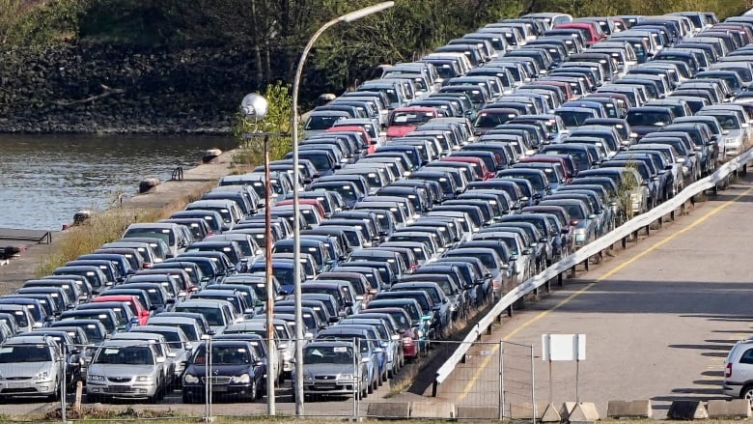
European Union lawmakers and member countries reached a deal to ban the sale of new gasoline and diesel cars and vans by 2035.
Under the deal reached by negotiators on Thursday, carmakers will be required to reduce the emissions of new vehicles sold by 55 per cent in 2030, compared to 2021, before reaching a 100 per cent cut five years later. The European Parliament and member states must formally approve the agreement before it comes into force.
The European Parliament said the deal is a signal ahead of COP27, the United Nations' annual climate change conference, "that the EU is serious about adopting concrete laws to reach the more ambitious targets set out in the EU Climate Law."
According to EU data, transportation is the only sector in which greenhouse gas emissions have increased in the past three decades, rising 33.5 per cent between 1990 and 2019. Passenger cars are a major polluter, accounting for 61 per cent of total CO2 emissions from road transport.
The EU wants to drastically reduce emissions from transportation by 2050 and promote electric vehicles, but a report from the bloc's external auditor showed last year that the region lacks the appropriate charging stations.
The EU Parliament said Friday that funding should be directed to help small- and medium-sized businesses that are part of the automotive supply chain, as well as vulnerable regions and communities, weather the transition to ending sales of cars that run on gas and diesel.
Aiming for Paris targets
World leaders agreed in Paris in 2015 to work to keep global temperatures from increasing more than 2 C, and ideally no more than 1.5 C by the end of the century. Scientists have said even the less ambitious goal will be missed by a wide margin unless drastic steps are taken to reduce emissions.
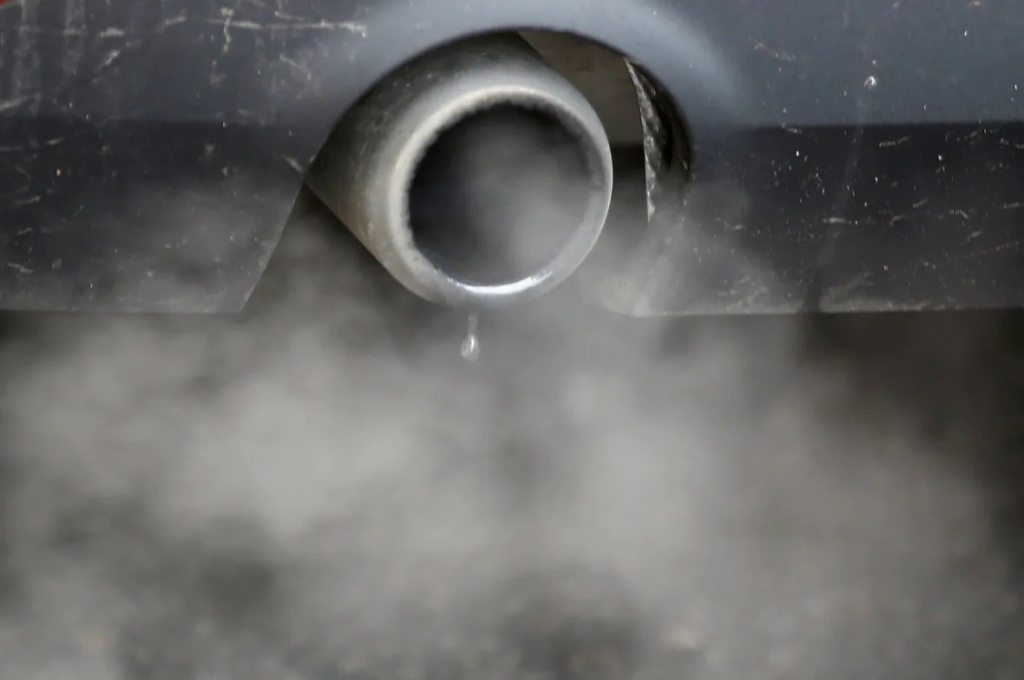
"This is a historic decision, as it sets for the first time a clear decarbonization pathway — with targets in 2025, 2030 and 2035 and aligned with our goal of climate neutrality by 2050," said Pascal Canfin, the chair of the environment committee of the European Parliament. "This sector, which accounts for 16 per cent of European emissions at the moment, will be carbon-neutral by 2050."
Greenpeace said the 2035 deadline is too late to limit global warming to below 1.5 C.
"The EU is taking the scenic route, and that route ends in disaster," said Greenpeace EU campaigner Lorelei Limousin. "A European 2035 phase-out of fossil fuel-burning cars is not quick enough: New cars with internal combustion engines should be banned by 2028 at the latest."
Limousin called the deal announcement "a perfect example of where politicians can bask in a feel-good headline that masks the reality of their repeated failures to act on climate."
Latest Stories
-
Mysterious illness leaves children struggling to walk, hear as Mafi Kope community appeals for urgent medical help
22 minutes -
Ghana begins free rabies vaccination for 25,000 pets
28 minutes -
Ghana Navy strengthens operational readiness with specialist seaman gunners training
32 minutes -
Nkrumah’s legacy must be measured by action, not ceremonies – Armah-Kofi Buah
38 minutes -
Kwesi Pratt Jnr questions Ghana-US defence cooperation agreement over sovereignty concerns
44 minutes -
Nkrumah’s legacy must drive African unity, self-reliance and environmental protection – Armah-Kofi Buah
49 minutes -
Nkrumah’s inspiration should unite Africans despite political differences – Dr Opoku Prempeh
52 minutes -
Some dissolved NSA board members could be reappointed – Kofi Adams
1 hour -
Mahama leaves for New York to attend 81st UN General Assembly
1 hour -
Aston Villa beat Mohammed Kudus’ Tottenham 3-1 as Spurs struggles continue
1 hour -
Auditor-General’s COVID audit omissions worrying for anti-corruption fight – CDD-Ghana
1 hour -
Bawa-Rock supports over 300 Obuasi Town Hall fire victims with GH¢1.5m package
1 hour -
Western regional security council steps into Betterland-Gwira mining dispute
2 hours -
Photos: Nkrumahfest 2026 draws dignitaries as Ghana celebrates Kwame Nkrumah’s legacy
2 hours -
Flames, smoke seen near Riyadh airport after Saudi warning of aerial attack threat
2 hours