

Audio By Carbonatix
Indigenous communities have vital knowledge about the local ecology which needs to be harnessed to preserve biodiversity and promote a balance in the ecosystem.
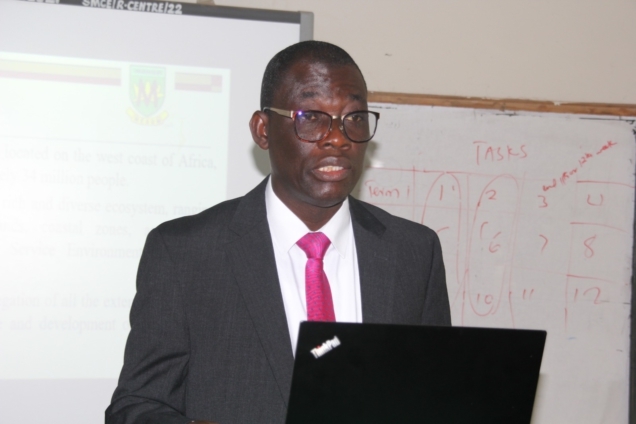
According to the Principal of St. Monica's College of Education, Dr. David Okyere Korankye, any endeavour to remedy the problem of environmental degradation will be ineffective unless adequate alternative livelihoods are provided.
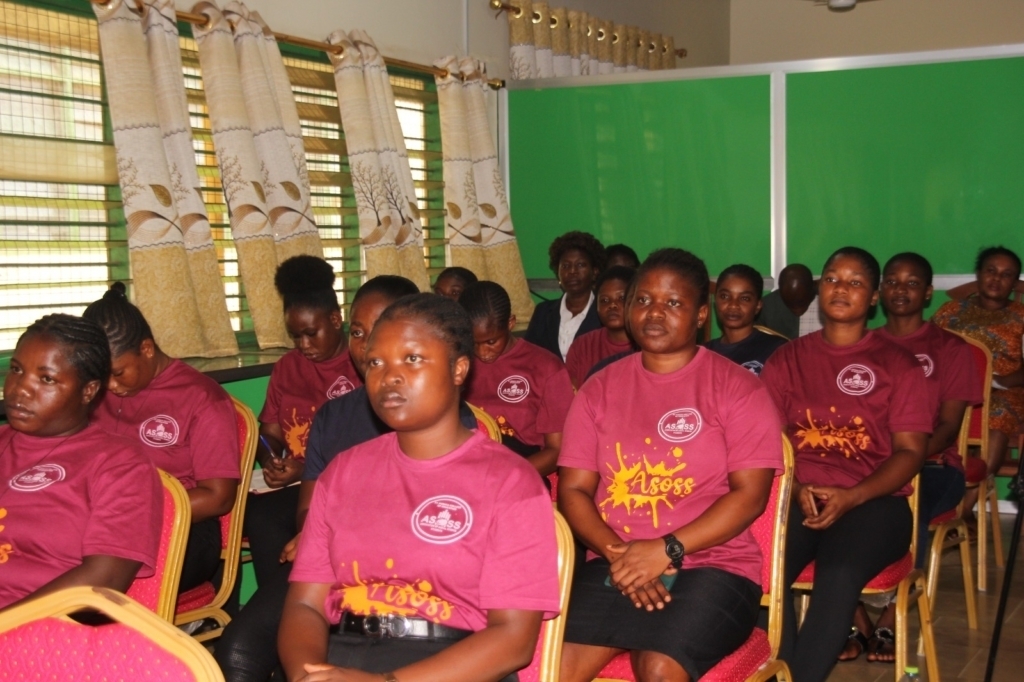
Speaking at a public lecture at St. Monica's College of Education on environmental degradation in Ghana, Dr. Korankye said he believes indigenous people provide strong communal systems for managing natural resources, including forests and water bodies.
“Sustainable and viable alternative livelihood; I am poor and at the same time hungry – I want to eat so when you are telling me that I should not do galamsey - I should not cut down trees for firewood then what alternative are you putting there for me?” Dr. Korankye asked.
He believes the government should give significant consideration to the country's job predicament.
“When you go to these galamsey sites, they are mostly young people and their minds are that they want what they will eat – nothing else. So if you want to stop them, then you have to provide alternatives,” he added.
According to him, indigenous knowledge in plant and animal species, habitats and relationships needs to be harnessed to preserve biodiversity.
He said incorporating local decision-making processes and empowering traditional leaders remain essential in sustainable land and resource management.
Dr. Korankye further stated that traditional ecological knowledge can be used to guide the selection and sustainable harvesting of medicinal plants, the preservation of sacred forests and biodiversity hotspots, and the preservation of traditional seeds and crop varieties.
The Principal noted that indigenous communities have developed effective methods for water conservation and management.
He believes traditional rainwater harvesting techniques, such as building small reservoirs and underground storage systems, can help capture and store water during the rainy season for use during the dry season.
Indigenous groups in Ghana have been actively participating in community-based conservation activities for many years.
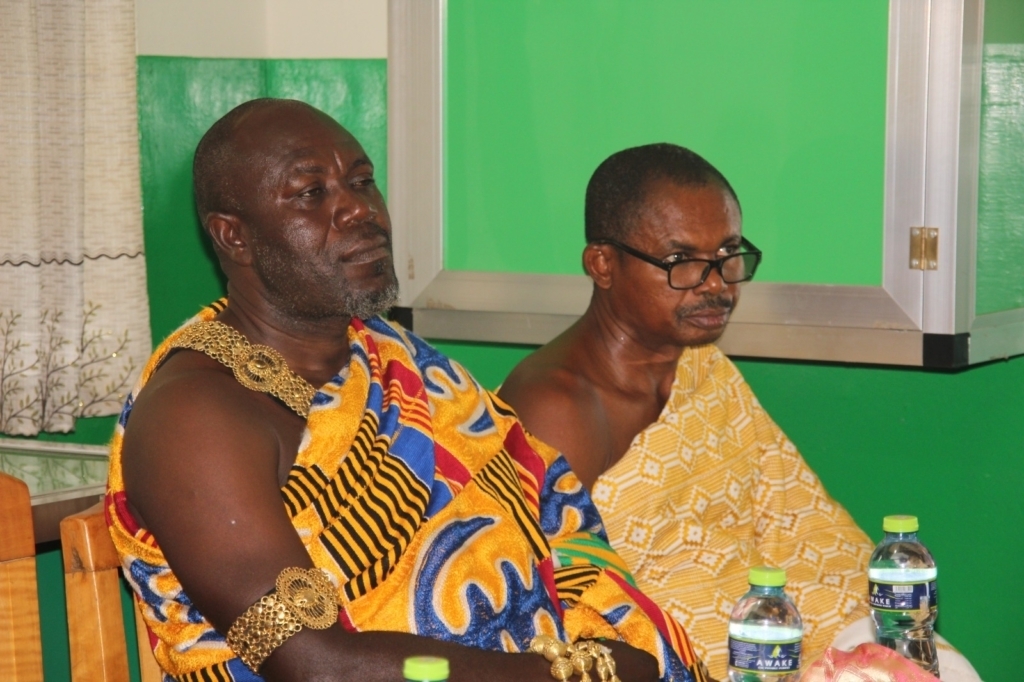
They create community-managed protected areas, wildlife sanctuaries, and sustainable hunting and fishing techniques. These projects not only conserve biodiversity but also give economic opportunities for communities through eco-tourism and sustainable resource utilisation.
According to Dr. Korankye, it is critical to recognise and appreciate indigenous knowledge and practices in combating environmental degradation in Ghana.
Environmental deterioration has far-reaching consequences in Ghana, affecting various facets of the country's socioeconomic growth.
It has resulted in biodiversity loss, with many plant and animal species nearing extinction.
The loss of plant and animal species as a result of the destruction of forests, marshes, and other natural habitats has resulted in a decrease in genetic diversity.
The loss of biodiversity has also had an impact on the ecosystem services provided by these habitats, such as water regulation, soil conservation, and climate regulation.
Latest Stories
-
Ghana needs a law to sustain constitutional reforms – CDD-Ghana
3 hours -
COVID fumigation audit: Auditor-General has a lot of questions to answer – Akwatia MP
3 hours -
Stranded Ghanaian medical graduates in Cuba appeal to Mahama for immediate return
3 hours -
GNFS contains fire outbreak at Teshie Lekma Road near Lekma Hospital
9 hours -
Samia Nkrumah rejects the narrative that Ghanaians were happy after Nkrumah’s overthrow
11 hours -
A Mother’s pain: Tribute by Ivan Baidoo’s mother
11 hours -
‘Forgive us for staying away’ — Samia Nkrumah leads family back to Nkroful, pledges to preserve Nkrumah’s legacy
11 hours -
Ernest Nuamah scores twice as Lyon beat Rennes
11 hours -
‘My dear Ivan’ – A father’s tribute to a son tragically killed
11 hours -
GNPC Explorco advances Voltaian Basin drilling preparations with 13.5km access road
11 hours -
Cabinet approves facility manager for Borteyman Sports Complex – Kofi Adams
12 hours -
Sanitation is improving; critics may be ‘living in another world’ – Salaga South MP replies Bekwai MP
12 hours -
Government must do more to tackle sanitation crisis – Bekwai MP
12 hours -
World Cleanup Day: GFF begins sanitation education in local communities
13 hours -
EU Ambassador, IGP discuss stronger cooperation on policing and security
13 hours