

Audio By Carbonatix
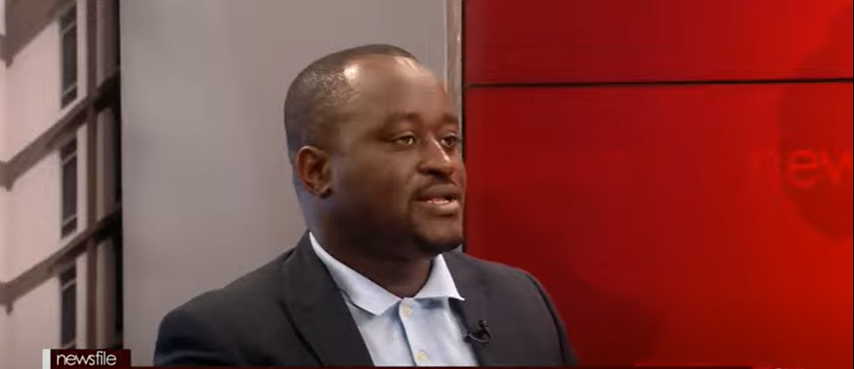
A Political and Economic Risk Analyst, Dr. Theo Acheampong, says the real causes of Ghana’s increasing indebtedness in the energy sector are distribution losses and poor tariff management, not excess capacity charges.
Speaking on a radio programme monitored by the Ghana News Agency, the Economist said: "The current cause of our mess and why the IPPs are threatening to shut their plants is that the tariff has not been cost reflective while there are enormous distribution losses.”
To improve the situation, Dr. Acheampong said "the tariffs must continue to go up until such a time that the cedi is stable and fuel prices are stable”.
He advised the government to revisit the Energy Sector Master Plan as proposed by the International Monetary Fund.
Mr. Edward Bawa, Ranking Member, Energy and Mines Committee of Parliament, also called for an independent bipartisan audit to ascertain the extent to which charges on excess capacity had contributed to the overall energy sector debts.
He said claims of excess capacity charges driving the energy sector debts "lacked transparency”, saying the idea behind the excess capacity was to export power to other countries within the West African subregion.
Mr Bawa urged the government to explore alternatives if it insisted that excess capacity was increasing energy sector debts.
He asserted that the reduction in tariffs in 2017 and the reluctance to increase tariffs for some years caused the indebtedness.
Mr. Atta Akyea, Chairman, Energy and Mines Committee of Parliament, stated that the energy sector debts had been a major challenge to the government. The MP said available data indicated that the country had spent an excess amount of $900 million on excess capacity charges since 2017.
Latest Stories
-
President Mahama ends Resetting Ghana tour of Ahafo Region
3 minutes -
African negotiators seek delivery of climate commitments at COP31
4 minutes -
BoG develops AI rules for financial sector
6 minutes -
‘Big Push’: Government assures contractors of prompt payments
10 minutes -
Court fines miner for breaking into gold buying shop
20 minutes -
Tarkwa court jails labourer for three years over GH¢123,000 theft
1 hour -
GAEC must retain nuclear scientists for Ghana’s nuclear ambitions – Minister
2 hours -
Man reportedly mistaken for game and shot by hunter dead in forest
2 hours -
19-year-old mason jailed 15 years for defiling seven-year-old pupil
2 hours -
Ghana’s banking sector assets rise 20.47% to GH¢500.2bn – BoG Governor
2 hours -
22 injured as Sprinter bus overturns at Sege after tyre burst
2 hours -
UN housing expert urges Ghana to strengthen Rent Control Department amid housing affordability concerns
2 hours -
Delta-BCI partnership reaches 166,000 people with breast cancer education
2 hours -
Power restoration fault suspected in Kumasi Central Market fire
7 hours -
The 7-foot giant of Ngleshie Amanfro: Seven-foot Ghanaian Ephraim Saawa dreams of joining the national basketball team
8 hours