

Audio By Carbonatix
The 2015 Algiers Accord brought stability to the north of the country as jihadist violence was on the rise. The military took control of Mali following two coups in 2020 and 2021.
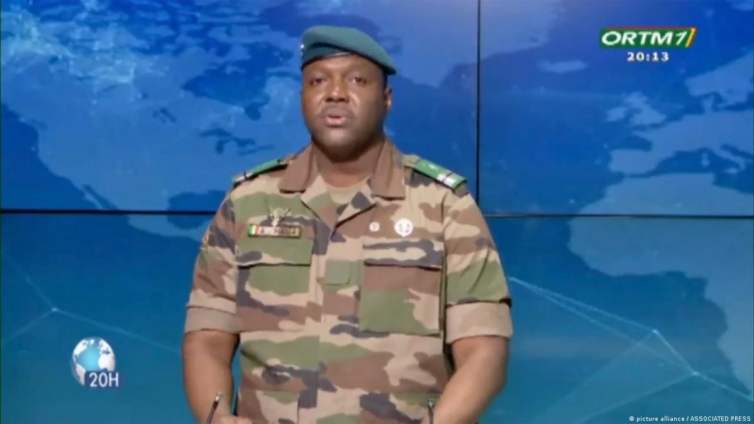
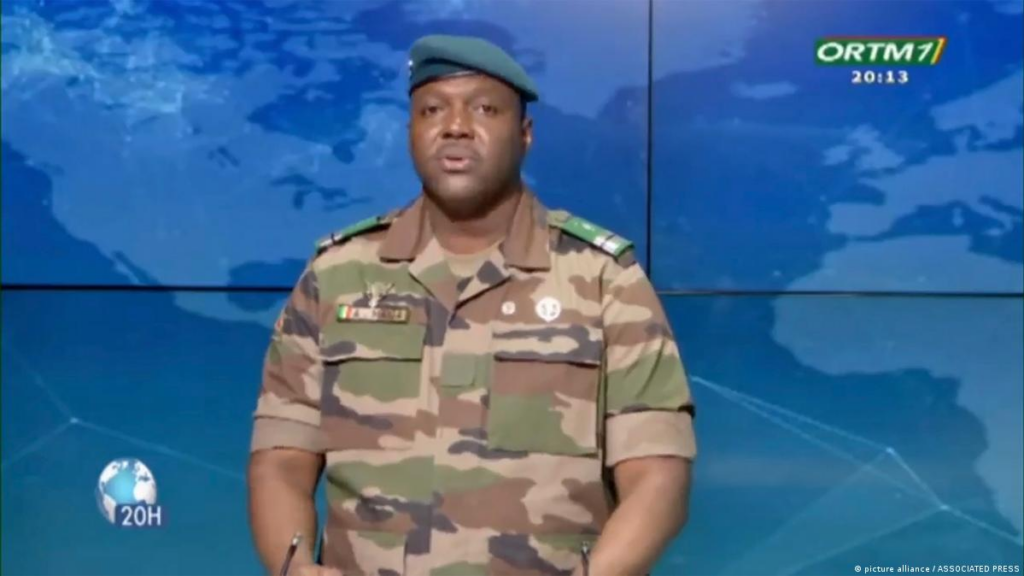
The military rulers of Mali have ended a major peace deal with Tuareg separatist rebels in the north of the country, government spokesperson Colonel Abdoulaye Maiga said in a televised statement on Thursday.
Maiga said the government "notes the complete impossibility of the deal… and in consequence announces its end, with immediate effect."
Rebels, grouped under the Coordination of Azawad Movements (CMA), had already accused the government in Bamako of "abandonment" of the peace deal in July 2022.
What was the peace deal?
The Algiers Accord was signed in 2015 with support from the UN. It had been considered an essential agreement to maintaining stability in the region that has seen a flare-up of jihadist violence since 2012.
The agreement aimed to see ex-rebels integrated into the national army and allowed for more autonomy for the various regions.
Mali's junta blamed a "change in posture of certain signatory groups" as well as "acts of hostility" from Algeria, the peace deal's main mediator.
Tensions have been increasing between Mali and Algeria, with the former accusing the latter of "interference" and "unfriendly acts."
Mali's government summoned the Algerian ambassador in December last year, saying that the diplomat had held meetings with the Tuareg separatists.
Violence and instability in Mali
There were already signs of the deal coming apart when fighting broke out between Mali's military and the separatists in August last year.
The West African country has undergone two coups since 2020, leading to military rule and a fallout with Western powers that had been present in Mali as part of a counterinsurgency operation.
The junta ordered UN peacekeeping troops to leave the country, as well as French troops who had been fighting insurgents in the north of Mali.
Their departure has been seen as an instigator for the upsurge in violence as both the government and separatist groups raced to fill up the vacuum.
Latest Stories
-
Allround Baby Pants launched in Ghana to ease diapering for mothers
2 hours -
Aggrieved Gold Coast Fund Management Company customers to petition Mahama over locked-up funds
2 hours -
NSMQ 2026: PRESEC, Legon dethrones defending champions Mfantsipim in thrilling battle to book semi-final spot
3 hours -
NPP set to overhaul constitution as delegates prepare to vote on sweeping reforms
3 hours -
Ghana’s cashew industry faces processing gap as Côte d’Ivoire moves to capture more value
3 hours -
“Our greatest wealth is not in our soil but our people” — Upper West Minister
3 hours -
Luex Healthcare launches children’s health education book series with Luey the Lion
3 hours -
NAGRAT urges gov’t to communicate early if September deadline cannot be met
4 hours -
We trust government to meet September deadline on teachers’ promotions – NAGRAT
4 hours -
“We dare not fail” – Gov’t promises to honour teachers’ promotion pay deal
4 hours -
The GH¢19.8 billion mirage: Inside Ghana’s state enterprise turnaround
4 hours -
Luv FM High School Debate: KNUST SHS and Osei Adutwum SHS set up thrilling final after dramatic semi-finals
4 hours -
KNUST AI Coordinator urges structured adoption of AI in teacher education
4 hours -
Nepal rescuers blast hillside in search of hydropower workers as families wait anxiously
5 hours -
Teachers who pass promotional exam to get January 2026 start date after gov’t resolves promotion dispute – Dr Apaak assures
5 hours