

Audio By Carbonatix
The International Monetary Fund is advising African countries including Ghana to rethink their fiscal policy following repeated external and domestic shocks from rising debt vulnerabilities in their economies.
Under unchanged policies, the Fund said, the region’s public debt-to-Gross Domestic Product (GDP) ratio will continue to trend upward, increasing by over 10 percentage points over the next five years.
This it warns would crowd out private investment, raise sovereign risk, and limit countries’ ability to invest in human and physical capital.
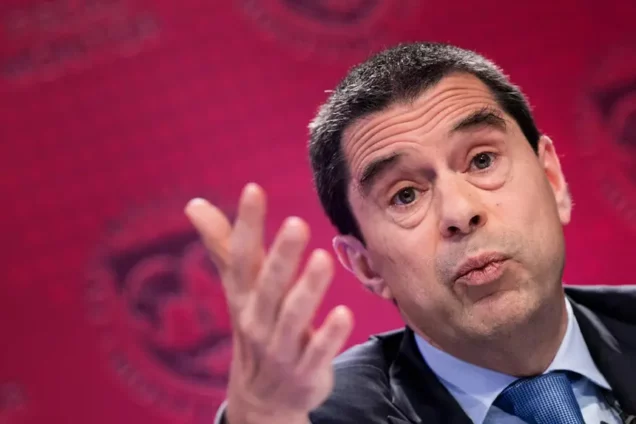
Speaking at the 12th African Fiscal Forum, the Director of the Fiscal Affairs Department at the IMF, Vítor Gaspar, called for the design of credible medium-term fiscal strategies that could help preserve fiscal sustainability and rebuild buffers while addressing the region’s development goals.
“The IMF has been asking the question, how to pay for it all [debt]; the question is relevant for all of the IMF membership. But it is particularly pressing for countries in Sub-Saharan Africa with a large development spend in the months. From mid-2022 to the end of 2023, no country from Sub-Saharan Africa issued bonds in the Eurobond market. That was a manifestation of others breaking funding squeeze that has changed in January [2024] and February [2024] with the number of countries issuing significant amounts”.
“But the coupon rates and yields in secondary markets have stayed very high”, he added.
He continued that the debt signals have elevated bond risks, stressing, “I have already emphasised that spending pressures for development are particularly high for Sub-Saharan Africa. Elevated in forex trade and a strong dollar makes servicing dollar denominated debt more expensive.”
He mentioned that aid flows and financing from China have been declining for some years.
This year’s Forum focused on how to set fiscal targets and determine the pace and composition of the potential adjustment depending on countries’ specific circumstances. The discussion also explored the role of institutions in addressing implementation challenges and how those institutions can be strengthened.
The panelists were made up of Daves de Sousa, Minister of Finance, Angola; Koen Doens, Director General for International Partnerships, European Commission; Njuguna Ndung’u, Minister of Finance, Kenya and Fati N’Zi-Hassane, Executive Director, Oxfam Africa.
Latest Stories
-
Several injured as Saudi capital airport reportedly hit again
2 minutes -
Christa Pike discharged from hospital and returned to prison, her lawyers say
4 minutes -
Ghana’s BRICS move requires clear strategy to manage risks – Godfred Bokpin
2 hours -
Pay teachers realistic income – Duncan Amoah to gov’t
2 hours -
Bechem to become chicken capital of Ghana – Mahama projects
2 hours -
Gov’t targets recruitment of 16,500 health professionals in 2026
2 hours -
Two-week strike will not derail academic calendar – GNAT President
3 hours -
Headmaster detained after BBC investigation into alleged sexual abuse of students
3 hours -
GNAT pushes for clear implementation procedures of teachers’ conditions of service
3 hours -
Recurrent strikes threaten quality of education and academic calendars – Prof Bokpin
3 hours -
‘Cockroach’ group leaders among hundreds detained in Delhi protest
3 hours -
Don’t let speed of information become your judgement – CJ tells new lawyers
4 hours -
World Cup visa scandal: People have leveraged public office to facilitate fraud – Senyo Hosi
4 hours -
Glut! Farmers count losses as prices crash, customers happy
5 hours -
GSA postpones auction of unserviceable vehicles
5 hours