

Audio By Carbonatix
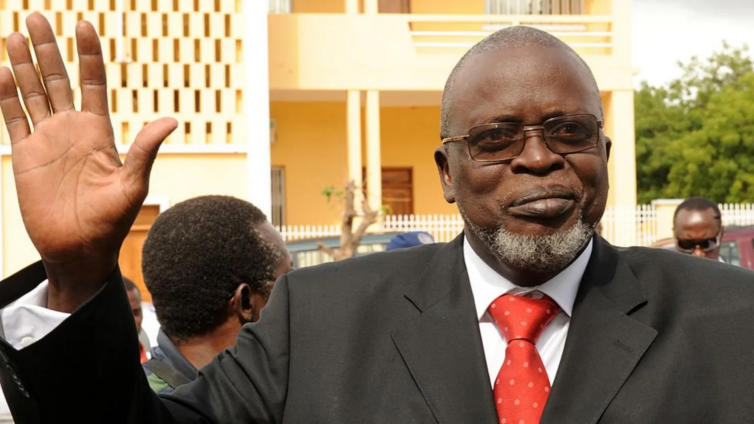
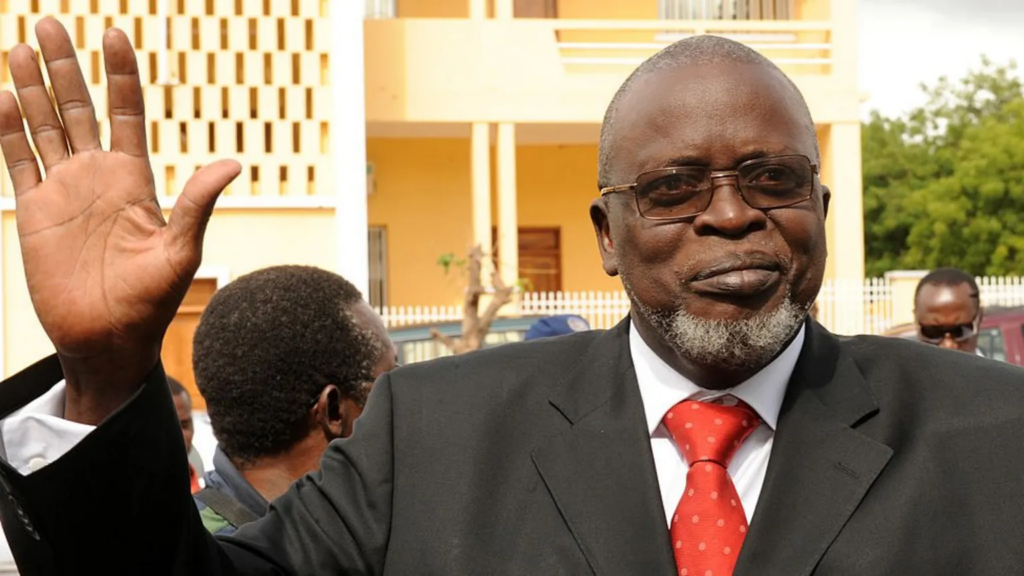
The son of Guinea-Bissau's ex-president has been sentenced to over six years in prison by a US court for leading an international heroin trafficking ring.
Malam Bacai Sanha Jr, 52, planned to use the proceeds to fund his ambitions to become Guinea-Bissau's president through a coup, authorities say.
He is the son of Malam Bacai Sanha, who led the West African country from 2009 until his death in 2012.
Sanha Jr has been linked to a failed coup in February 2022.
He was extradited to the US in August 2022, following his arrest in Tanzania a few weeks earlier.
His trial began soon afterwards and in September last year, he pleaded guilty to conspiring to illegally import drugs.
"Malam Bacai Sanha Jr wasn't any ordinary international drug trafficker," said FBI agent Douglas Williams on Tuesday.
"He is the son of the former president of Guinea-Bissau and was trafficking drugs for a very specific reason - to fund a coup that would eventually lead him to the presidency of his native country where he planned to establish a drug regime."
Sanha Jr is accused of importing heroin from several countries to Portugal, and also from Europe to the United States.
US authorities say he could be deported following his imprisonment as he is not an American citizen.
The 52-year-old, known as "Bacaizinho" in Guinea-Bissau, has held several roles in the government, including as his father's economic adviser.
He reportedly revealed that he was "personally involved" in the foiled 2022 coup attempt to unseat President Umaro Sissoco Embaló, which left 11 people dead, most of them members of the security forces.
Sanha Jr allegedly told undercover agents of the US Drug Enforcement Administration (DEA) that he used drug proceeds to fund the coup plotters, German state-owned broadcaster Deutsche Welle reported last year.
Guinea-Bissau is a notorious drug trafficking hub. It is a key conduit for cocaine from Latin America destined for Europe, which led to the US and the UN designating it a "narco-state" more than a decade ago.
Experts say that drug traffickers and networks are highly influential and well-entrenched in the country's government, often funding election campaigns for politicians they can rely on to protect the illegal trade.
Latest Stories
-
Girls must have equal place in Ghana’s digital future – Vice President
7 minutes -
High Court issues EOCO warrant to arrest Manhyia South MP Baffour Awuah
12 minutes -
Ghana at the heart of global PR excellence
19 minutes -
Ghana Institute of Architects clarifies position on ARC-ASG dispute amid ongoing case
21 minutes -
NDC supporters storm Fomena constituency office over alleged disqualification of chairman aspirant
23 minutes -
NPA CEO assures tanker drivers of action on welfare concerns
24 minutes -
Karpowership seeks contract extension as Ghana’s power demand grows
27 minutes -
Gender Ministry inaugurates committee to drive early childhood development
29 minutes -
Four Schools, One Crown: Prempeh, Corpus Christi, Mfantsipim and St Augustine’s battle for NIQ trophy
30 minutes -
HIV status cannot be used to deny employment under Ghana law – Ghana AIDS Commission
31 minutes -
Buffer Stock calls for expansion of national storage capacity as it falls below 50,000 metric tonnes
32 minutes -
Central Regional Minister urges use of religious platforms to change environmental, sanitation practices
54 minutes -
Henry Kweku Banning
55 minutes -
Execution of US murderer Christa Pike halted an hour before it was due to happen
57 minutes -
GoldBod generates US$1.87bn in FX in September, exceeds monthly target
1 hour