

Audio By Carbonatix
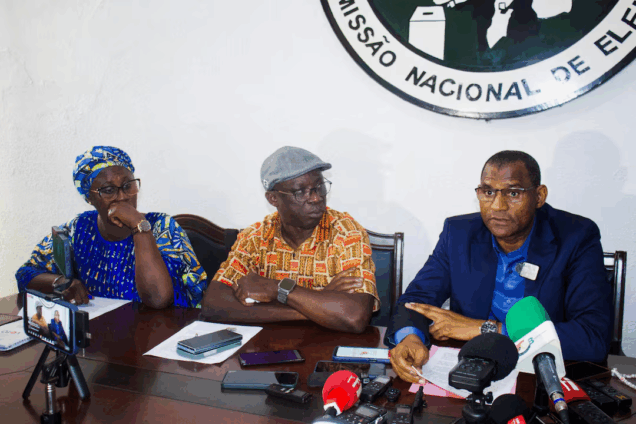
Guinea-Bissau's electoral commission said on Tuesday it was unable to complete the November 23 presidential election process after armed men seized ballots and vote tallies from its offices, while servers storing the results were destroyed.
Army officers in the West African state seized power on November 26, a day before the electoral commission was due to announce the results of the contested election.
The Reuters Daily Briefing newsletter provides all the news you need to start your day. Sign up here.
"We do not have the material and logistic conditions to follow through with the electoral process," Idrissa Djalo, a senior official of the electoral commission, said in a statement.
Buildings, including the electoral commission offices, came under attack when the army officers took power. Major-General Horta Inta-a was sworn in as the new transitional president on November 27, halting the election process.
Inta-a has promised a one-year transitional period.
Guinea-Bissau's new military leaders have come under pressure, particularly from the Economic Community of West African States (ECOWAS) regional bloc, to restore constitutional order and to allow the electoral process to resume.
A high-level delegation from the bloc, led by Sierra Leone's President Julius Maada Bio, met with the military leaders and electoral commission officials in Bissau on Monday.
SERVERS DESTROYED
Djalo said the commission had told the delegation that a group of unidentified armed and hooded individuals had stormed and ransacked its premises on November 26.
"They confiscated the computers of all 45 staff members who were at the commission that day," he said, adding that all election tally sheets from the different regions were seized, and the server where the results were stored had been destroyed.
"It is impossible to complete the electoral process without the tally sheets from the regions," Djalo said.
ECOWAS leaders, who have threatened sanctions against those disrupting the constitutional order, are set to meet on December 14 to discuss the crisis.
The tiny West African coastal nation, wedged between Senegal and Guinea, has experienced repeated instability since gaining independence from Portugal in 1974, with only one president ever completing a full term in office.
The persistent turmoil has turned the country into a key transit point for cocaine shipments from Latin America to Europe, where rival cartels compete for influence in the lucrative drug trade.
Inta-a said in his swearing-in that the coup was necessary to ward off a plot by "narco-traffickers" to "capture Guinean democracy".
Latest Stories
-
Girls must have equal place in Ghana’s digital future – Vice President
4 minutes -
High Court issues EOCO warrant to arrest Manhyia South MP Baffour Awuah
9 minutes -
Ghana at the heart of global PR excellence
17 minutes -
Ghana Institute of Architects clarifies position on ARC-ASG dispute amid ongoing case
18 minutes -
NDC supporters storm Fomena constituency office over alleged disqualification of chairman aspirant
21 minutes -
NPA CEO assures tanker drivers of action on welfare concerns
22 minutes -
Karpowership seeks contract extension as Ghana’s power demand grows
25 minutes -
Gender Ministry inaugurates committee to drive early childhood development
27 minutes -
Four Schools, One Crown: Prempeh, Corpus Christi, Mfantsipim and St Augustine’s battle for NIQ trophy
27 minutes -
HIV status cannot be used to deny employment under Ghana law – Ghana AIDS Commission
29 minutes -
Buffer Stock calls for expansion of national storage capacity as it falls below 50,000 metric tonnes
29 minutes -
Central Regional Minister urges use of religious platforms to change environmental, sanitation practices
52 minutes -
Henry Kweku Banning
52 minutes -
Execution of US murderer Christa Pike halted an hour before it was due to happen
55 minutes -
GoldBod generates US$1.87bn in FX in September, exceeds monthly target
58 minutes