

Audio By Carbonatix
Representatives from 174 countries are expected to convene in Ottawa in Canada, for the fourth session of the Intergovernmental Negotiating Committee (INC-4) on plastic pollution.
Scheduled from April 23 to 29, the meeting marks a significant step in the negotiation process, with only one more session expected to follow before finalizing negotiations later this year.
Executive Secretary of the INC, Jyoti Mathur-Filipp, emphasized that both humanity and the environment are experiencing significant challenges due to plastic pollution, highlighting the critical importance of the negotiating session.
“It is an opportunity to make significant progress for a robust agreement that would allow future generations to live in a world free of plastic pollution,” Jyoti said.
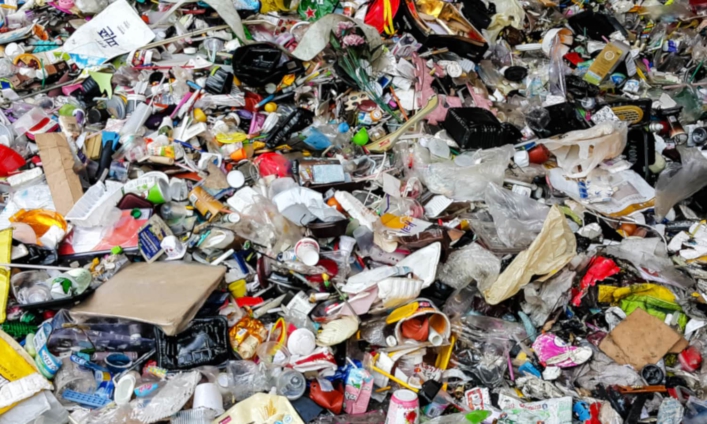
The negotiations come against the backdrop of what experts have labeled a growing plastic crisis. Since the 1950s, the world has generated 9.2 billion tonnes of plastic, with 7 billion tonnes ending up as waste, contributing to overflowing landfills and contaminating bodies of water, soil, and oceans.
Current data indicates that humanity now produces 430 million tonnes of plastic annually, with two-thirds of it comprising short-lived products that quickly turn into waste. Some of this plastic finds its way into the food chain, posing potential risks to human health.
During INC-4, the objective is to progress a preliminary version of the global agreement for finalization in Busan in the Republic of Korea, in December. The discussions thus far have centered on mitigating pollution throughout the entire lifespan of plastics, from their production to their disposal.
The negotiation process commenced officially in 2022 at the fifth session of the United Nations Environment Assembly, a significant milestone in global environmental governance.
Following two years of deliberation, the Intergovernmental Negotiating Committee reports transitioning from broad perspectives to a refined draft text.
This year's World Environment Day, marking its fiftieth anniversary, is dedicated to addressing the crisis of plastic pollution. Head of the United Nations Environment Programme's (UNEP's) Life Cycle Initiative, Llorenç Milà i Canals, emphasized that many people underestimate the significant impacts of a material deeply ingrained in their daily lives, affecting not only wildlife but also climate and human health.
“Many people aren’t aware that a material that is embedded in our daily life can have significant impacts not just on wildlife, but on the climate and on human health,” said Llorenç.
The production of plastic stands as one of the most energy-intensive manufacturing processes globally. Derived from fossil fuels like crude oil, plastics undergo transformation through heat and additives into polymers. In 2019 alone, plastics contributed 1.8 billion metric tonnes of greenhouse gas emissions, amounting to 3.4% of the global total.
Latest Stories
-
‘Ghana became Ghana only eight years ago?’ – Tampuli challenges Chief Justice
8 minutes -
Local Government Service partners Celltel to accelerate digital transformation
12 minutes -
CJ’s role includes building working relationships with state institutions — NDC’s Hamza Suhuyini
13 minutes -
Police intercept vehicle carrying suspected contraband at Jema
14 minutes -
BOSTenergies pays first-ever GH¢34.2m dividend to government
15 minutes -
Accra–Kumasi Expressway: 170km of corridor cleared, only 6km remains – GAF
24 minutes -
Maritime security and naval cooperation in a changing international order
25 minutes -
Over 8,000 candidates compete for just 800 places at Aburi Girls’ SHS – CSSPS
25 minutes -
‘Did he lie? I don’t see anything political about Chief Justice’s comments’ – Franklin Cudjoe
28 minutes -
NDC’s Hamza Suhuyini accuses NPP of hypocrisy over Chief Justice’s remarks
29 minutes -
Sekondi-Takoradi records 152 new HIV infections in 2025
39 minutes -
Agbodza orders Wa-Bulenga road contractor back to site
40 minutes -
The Last Embers Are Burning: On Ali Mazrui and the scholarship we forgot to save
43 minutes -
GIF calls for more forest guards as attacks on frontline officers escalate
48 minutes -
GMR records 12,172 patient service touchpoints in Ho West medical mission
59 minutes