

Audio By Carbonatix
In Ghana's political landscape, accusations of corruption have often overshadowed the nation's potential for economic growth. The perpetual cycle of one party accusing the other of corruption, only to engage in similar practices once in power, has hindered progress and eroded public trust. It's time for a paradigm shift—a call for structured collaboration between the two major political parties to prioritise the nation's interests over partisan gains.
Ghana stands at a critical juncture, poised to unleash its economic potential and elevate its status on the global stage. With concerted efforts, the economy has the capacity to soar to a deserved £400 billion valuation with a modest tax-to-GDP ratio of 15%, realising £60 billion yearly for socioeconomic development. However, achieving this ambitious goal requires common sense, competence, and commitment from both sides of the political spectrum.
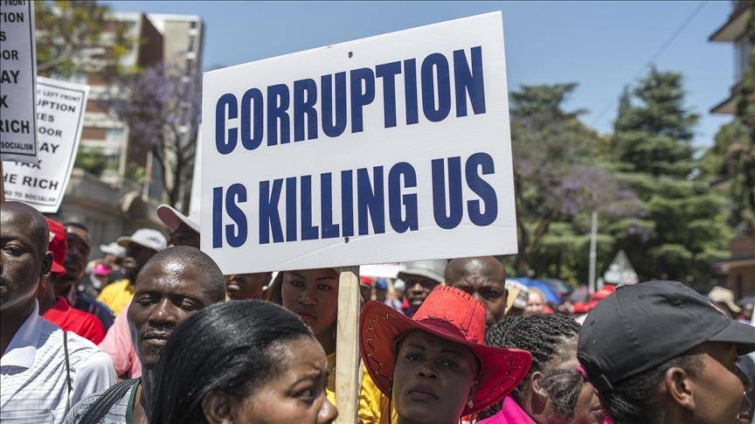
Corruption, like cancer, eats away at the fabric of society, siphoning off valuable resources meant for development. It undermines public confidence, deters foreign investment, and perpetuates inequality. Every government since the inception of the fourth republic has had its share of blame for corruption. None can be excused, and it's time for reflection and collaboration. Instead of engaging in a blame game, it's time for the political elite to acknowledge the pervasive nature of corruption and the lesser prioritisation of competence and work together to root it out.
Competence must become the hallmark of governance, where only the best brains are invited to occupy public office instead of the loudest political people and cronies who have nothing to offer.
This entails prioritising meritocracy over political patronage and ensuring that individuals appointed to key positions possess the necessary expertise and qualifications to effectively serve the public interest.
Citizens deserve leaders who are not only competent but also dedicated to serving the nation with integrity and diligence. By promoting competence in governance, Ghana can foster sustainable development and regain the trust of its citizens, paving the way for a brighter future for all.
Moreover, a bipartisan approach to economic development is paramount. Instead of viewing economic policies through a partisan lens, both parties should collaborate on a long-term vision for sustainable growth. This includes investing in infrastructure, education, healthcare, and technology to create an enabling environment for businesses to thrive.
Education and awareness are also crucial components of this endeavour. Citizens must be empowered with the knowledge and tools to identify corruption, report it, and demand accountability from their leaders. Civil society organisations, the media, and academia play a pivotal role in fostering a culture of transparency and integrity.
Finally, political will is indispensable. Leaders must prioritise the national interest above personal or party interests. They must demonstrate a genuine commitment to fighting corruption and advancing the country's economic agenda, regardless of who holds power.
The time has come for Ghana's political elite to rise above partisan bickering and embrace a spirit of cooperation for the greater good. By committing to curbing corruption and expanding the economy, Ghana can realise its full potential and emerge as a beacon of hope and prosperity in Africa. The choice is clear: engage in petty politics or embrace bipartisanship for the betterment of all Ghanaians. The future of our nation depends on the decisions we make today.
Latest Stories
-
NPP orders parliamentary aspirants and their supporters to suspend campaign activities
30 minutes -
Techiman unites against child marriage: Joy Impact Makers Awardee leads charge on International Day of the Girl Child
42 minutes -
Ghana Psychological Association calls for greater involvement of people with lived experience in mental health care
2 hours -
Ablakwa says Ghana could evacuate more citizens from South Africa if the situation worsens
2 hours -
Violence against girls must be tackled through individual responsibility – Gender advocate
2 hours -
Ghana’s BRICS bid must be guided by national interest – International Affairs Analyst
3 hours -
Journalists look back on a decade of breast cancer reporting in Ghana
3 hours -
President Mahama ends Resetting Ghana tour of Ahafo Region
5 hours -
African negotiators seek delivery of climate commitments at COP31
5 hours -
BoG develops AI rules for financial sector
5 hours -
‘Big Push’: Government assures contractors of prompt payments
5 hours -
Court fines miner for breaking into gold buying shop
5 hours -
Tarkwa court jails labourer for three years over GH¢123,000 theft
6 hours -
GAEC must retain nuclear scientists for Ghana’s nuclear ambitions – Minister
7 hours -
Man reportedly mistaken for game and shot by hunter dead in forest
7 hours