

Audio By Carbonatix
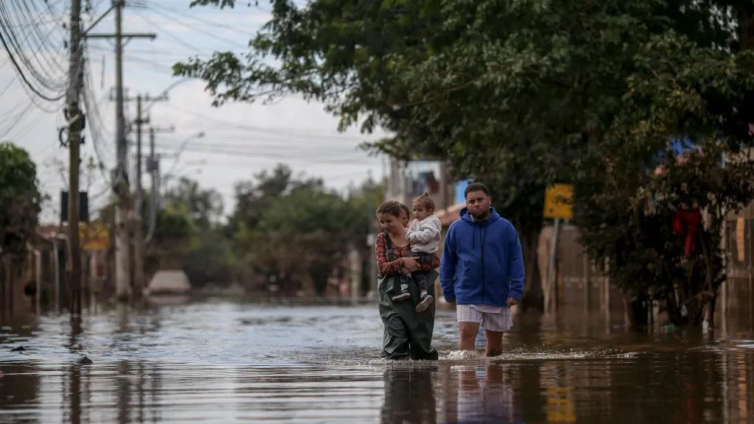
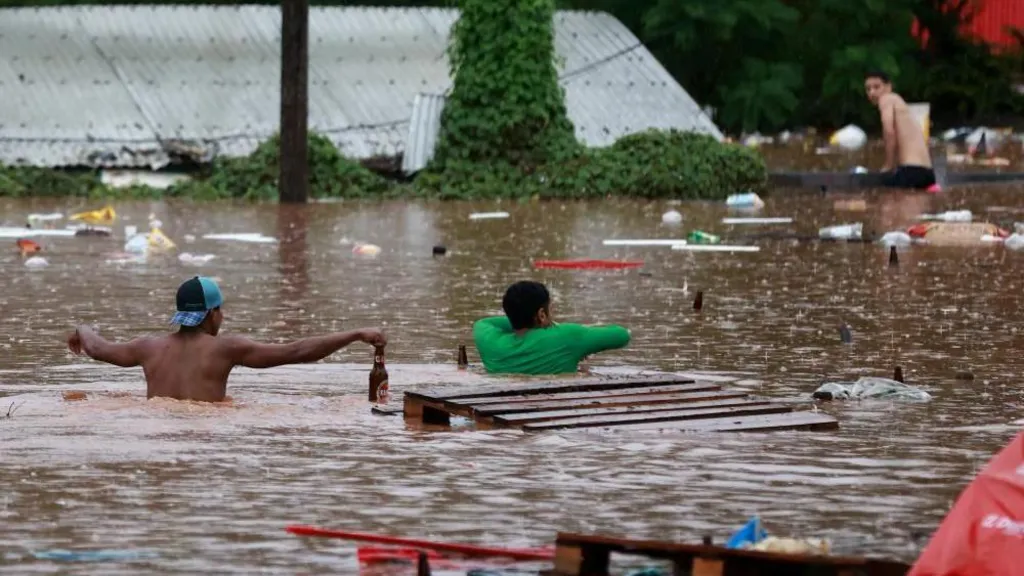
Authorities in the Brazilian state of Rio Grande do Sul have confirmed 54 cases of the waterborne leptospirosis disease after the region experienced unprecedented floods in the months of April and May.
Four others have died after contracting the illness, which is transmitted through water contaminated with infected animals' urine, like rats.
As many as 800 suspected cases are currently being investigated, the state's health department said in a statement.
More than 165 people were killed in the floods and many others are still missing.
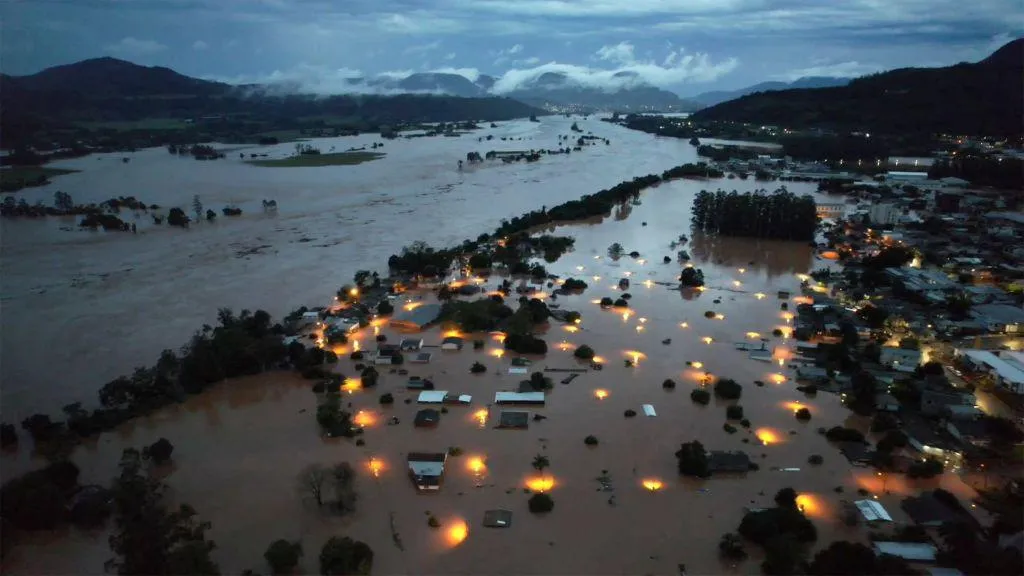
More than 2.3 million Brazilians from 469 municipalities in Rio Grande do Sul have been affected by what has been described as a "climate disaster" by the Brazilian government.
At least 581,000 people are displaced, while temporary accommodation has been able to house 55,000 Gauchos (people from Rio Grande do Sul), according to local media reports.
Many cities in the state are still under water and conditions could see leptospirosis cases go up.
The disease's symptoms include fever, muscle ache and nausea followed by vomiting.
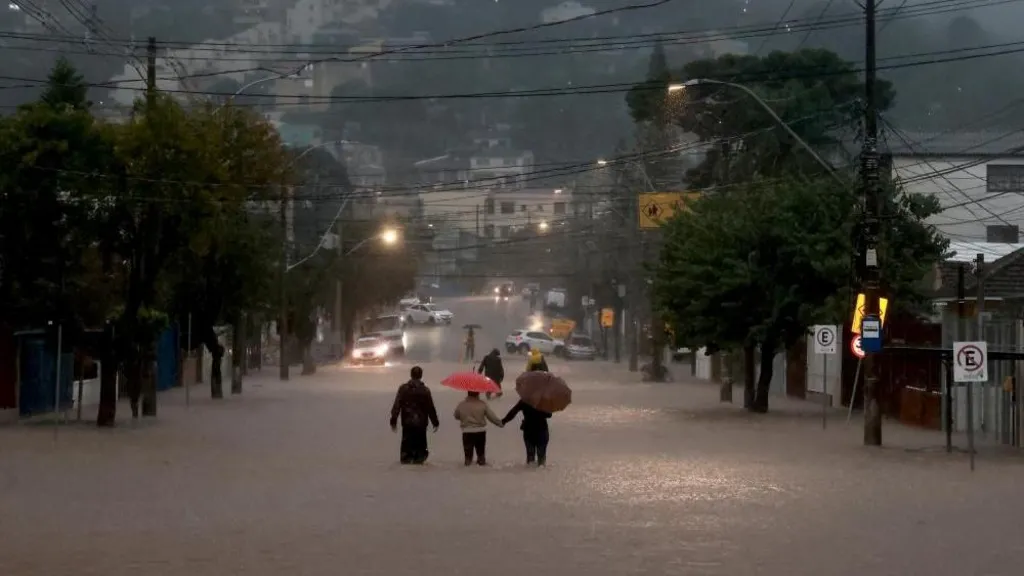
The state's health department has warned residents that flood water may mix with sewage, leading to the transmission of diseases like leptospirosis and hepatitis A.
Brazil vaccinates its population against hepatitis A, but given the magnitude of this advises people to still avoid consuming water or food that might be contaminated with water from the floods.
Recovery and rescue efforts are ongoing and the federal government has allocated more than R$1,8bn (£275m, $348m) to support Rio Grande do Sul.
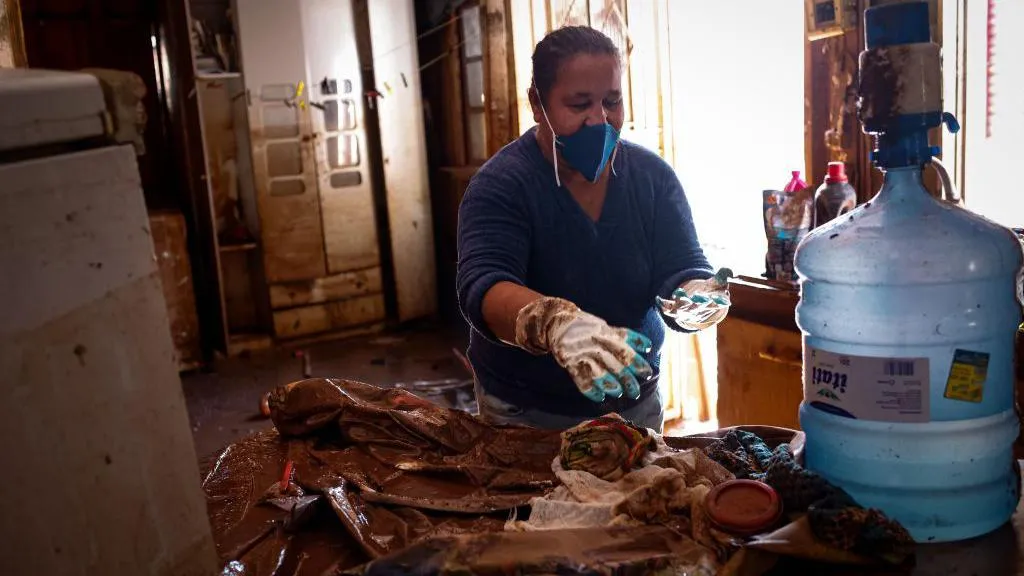
As flood waters lower, the full-scale of the damage in Brazil's southernmost state is becoming clearer. Those who were able to return to their homes try to salvage belongings that withstood the flooding.
Rio Grande do Sul has a population of more than 10m inhabitants across 497 municipalities. The state borders Uruguay and Argentina.
'Climate disaster'
Critics of Rio Grande do Sul's government have accused the state's governor of being complicit in the damage caused because of his stance on environmental policies.
In an article published on Folha, journalist Eleonora de Lucena wrote that Rio Grande do Sul's right-wing leadership has meant local politicians were catering to the interests of soya farmers and neglecting environmental protection commitments.
Under governor Eduardo Leite's leadership, more than 400 changes to the state's environmental legislation have been made including a law that allows dams to be built in environmentally protected areas.
But during an interview with BBC Brasil last week, Mr Leite defended his policies, adding that dams in protected areas would allow for food production.
The floods were a result of intense and unprecedented rainfall in the region. But a hydroelectric dam collapse after days of heavy rain at the beginning of May exacerbated mass displacement.
Latest Stories
-
NPP national election: ‘Something shocking is about to happen in Kumasi’ – Sylvester Tetteh
7 minutes -
‘Judge me on my commitment, not whom I supported during presidential primary’ – Sylvester Tetteh to NPP
9 minutes -
Family demands answers after dialysis patient dies at TTH during power outage
33 minutes -
Foreign Ministry repatriates nearly 7,000 distressed Ghanaians since 2025 – Ablakwa
56 minutes -
Gender Ministry steps up community campaign against social vices
2 hours -
Police bust armed robbery gang targeting gold dealers, mining sites in Ashanti and Western regions
2 hours -
Galamsey causes 1 in 4 fibre cuts in Ghana – Sam George
2 hours -
Police link Labone bank robbery suspects to earlier attacks on customers
2 hours -
Accra-Kumasi Expressway will be Mahama’s major road legacy – Agbodza
2 hours -
Ghana spends over US$20m repairing fibre cuts – Sam George
2 hours -
GACL wins two awards at ACI World Airport Experience Summit
2 hours -
Tomato prices to drop sharply in coming weeks – John Dumelo
2 hours -
Ashanti Region crowned 2026 MTN Elite U-19 champions after seven-goal thriller
2 hours -
Stranded Ghanaians in South Africa plead for fresh evacuation window
2 hours -
Kpone-Katamanso MUSEC summons emergency meeting over chieftaincy tension
2 hours