

Audio By Carbonatix
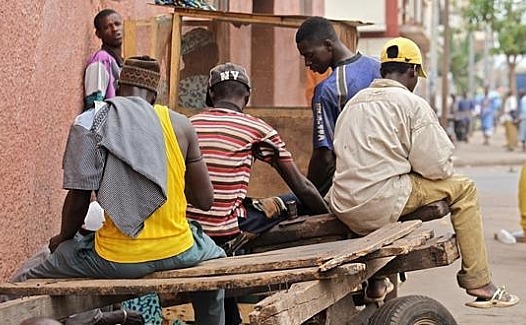
Two million youth in Ghana are idle, with no employment, education, or training in the third quarter of 2023, according to the Ghana Statistical Service.
While this is a decrease of half a million compared to the same time in 2022, it remains a major concern. About 60% (representing 1.2 million) of these idle youth are females, showing the need for better support for girls' education and job training.
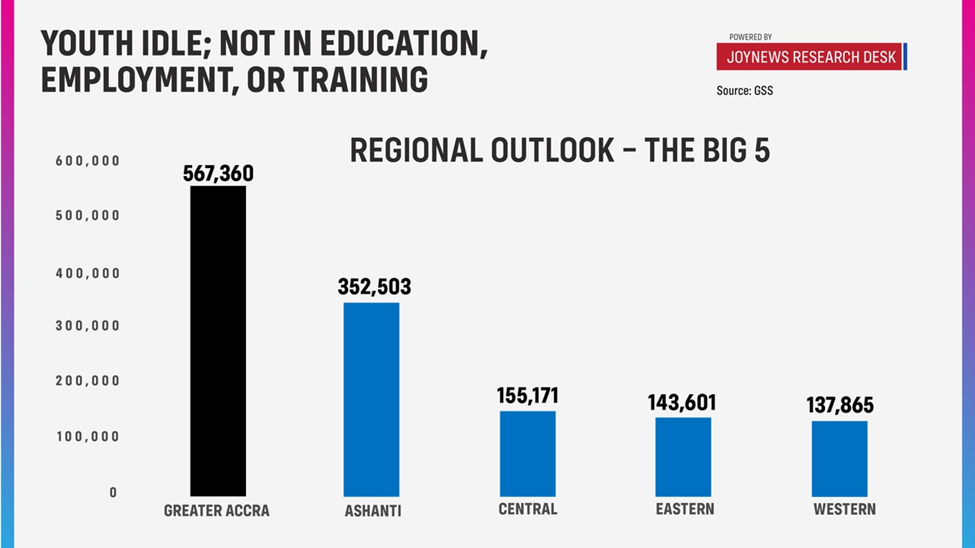
The report revealed that the Greater Accra region has the highest concentration of idle youth, with one in every three idle youth residing there.
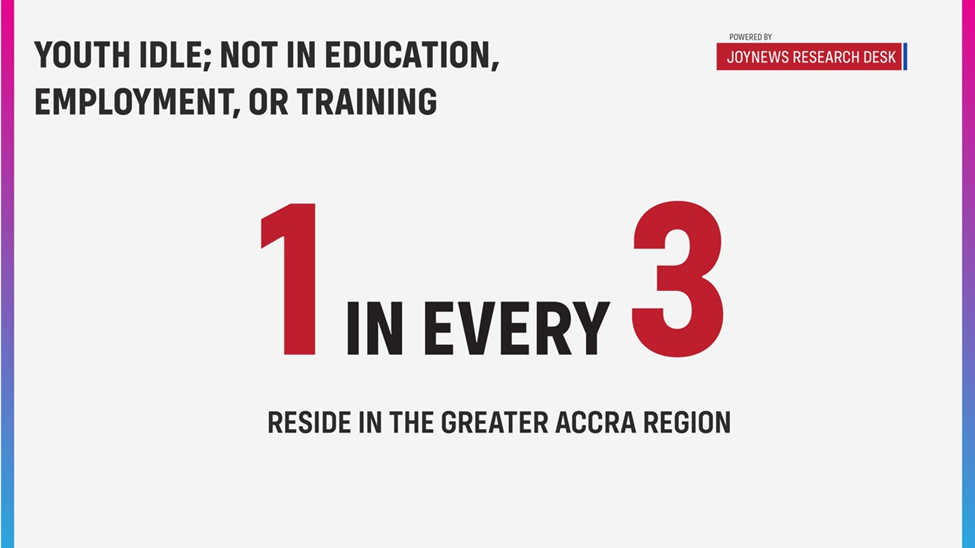
This translates to 565,360 youth not engaged in any of the three activities mentioned. Unlike other regions that were recording a decrease, Accra's number of idle youth increased.
“Between the third quarters of 2022 and 2023, the percentage of youth NEET declined in all regions except Greater Accra which experienced a marginal increase of 0.5 percentage points. Greater Accra was the only region to record increases in youth NEET for both males and females between Q3 2022 and Q3 2023” the report said.
Checks by the JoyNews Research Desk revealed that this phenomenon is heightened by the high rate of migrants from other regions into Accra.
According to the latest thematic migration report from the Ghana Statistical Service, net migration to the central business district was around 1.1 million.
This is five times the number of migrants compared to the Ashanti region which placed second with 207,000 net migrants.
The report noted that people were attracted to the region because of the vast concentration of industries and other economic opportunities it harboured.
However, what happens when these migrants cannot find the opportunities they seek? When the demand for jobs and other economic opportunities exceeds availability, migrants are often left stranded and idle, with no employment, education, or training.
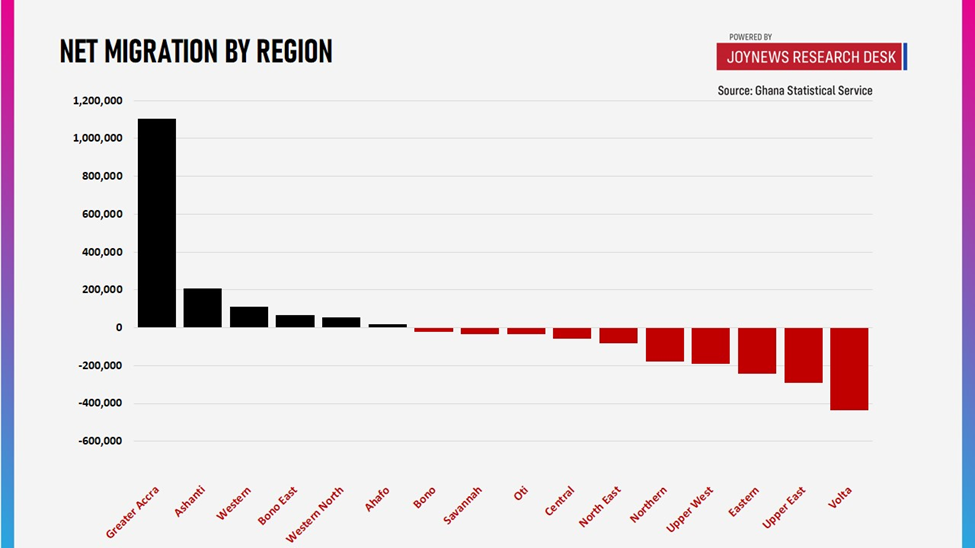
10 of the 16 regions in Ghana had more people leaving them to seek greener pastures due to limited infrastructures and job availability.
The current government made attempts to diversify the availability of factories to provide jobs by introducing the One District, One Factory initiative.
The policy delineates its objective as the establishment of at least one medium to large-scale factory or enterprise in each district to ensure a balanced geographical distribution of industrial activities across the country.
Current reports from the government's Performance Tracker reveal that 169 companies are currently operational under the 1D1F initiative.
Independent checks made from the performance tracker indicated that only 118 companies were available on the tracker. All of which were stated to be completed.
The distribution of the projects however raises some important concerns about the evenness and spatial distribution of the projects. The analysis of the data from the tracker revealed that the majority of the districts are concentrated in the southern part of Ghana.
District to Company Comparison by Region under the 1D1F
A closer look further shows that while some regions had almost two of the companies per district, others were left with only one or none for the entire region. This shows a drift in the geographic distribution of the companies as promised.
Performance Check
The 1D1F policy has seen some major performance in some regions as compared to others. Comparing the percentage of districts having benefitted from the policy in some regions compared to others shows the uneven distribution of the policy in contrast to the promise that was made.
1D1F: Project Financing
The government has over the years allocated GH¢2.13 billion to the 1D1F project. This translates to an average allocation of GH¢267 million since its inception in 2017. The highest allocation was in 2020 (election year) with some GH¢484 million allocation.
Latest Stories
-
Cryptocurrency regulation: BoG, SEC must collaborate closely to align risk assessments – IMF
2 hours -
Shatta Wale performs Stonebwoy’s ‘Putuu ’, preaches unity among artistes and fans
2 hours -
Congo’s Ebola outbreak has killed more than 4,000, government data shows
2 hours -
Ethiopian rebel forces withdraw from Tigray regional capital
2 hours -
All set for 7th Ghana Credit Excellence Awards 2026 on October 10
2 hours -
Why pastors may not be seen – or heard – preaching on buses for much longer
2 hours -
Oil slips as Middle East crude exports rise, G7 to release stocks
2 hours -
France to step up Ebola funding in Congo amid resurgence fears, minister says
2 hours -
Djokovic beats Zverev to reach China Open semis
3 hours -
Brazil election goes to run-off as right-wing Flávio Bolsonaro wins first round
3 hours -
Modric ‘ashamed’ of Croatia’s ‘catastrophic night’
3 hours -
Klopp’s mixed start continues as Germany held
3 hours -
The job interview question you don’t have to answer
3 hours -
Trump unveils ‘Super Intelligence Force’ to oversee AI policy
3 hours -
Zirkzee gives Netherlands win as van Dijk joins 100 club
4 hours