

Audio By Carbonatix
People affected by leprosy in Nigeria should be able to get hold of vital drugs to treat the disease for the first time in a year from this weekend, the World Health Organization has said.
The country, which reports more than 2,000 new cases a year ran out of supplies partly because drugs were held up after new regulations were introduced.
The WHO said it had asked Nigeria to briefly lift its new testing policy and it expects the drugs to arrive from India on Sunday.
Leprosy is curable with a combination of different antibiotics, but if left untreated the patients' health can deteriorate with sores and nerve damage that cause deformities.
The treatment can last between six and 12 months.
But because of the lack of drugs in Nigeria, patients have been sent home from hospitals. As the drugs suppress transmission this increases the risk of the disease spreading.
Dr Samimu Msheliza, a public health expert and medical advisor at the Nigerian branch of the Leprosy Mission, highlighted the urgent need for medication.
"We have thousands of newly diagnosed leprosy patients across various cities who are just waiting for this drug," he told the BBC.
"The quicker we have [the drugs], the better, because currently these people are suffering, their transmission is ongoing because they are not being treated," Dr Msheliza said.
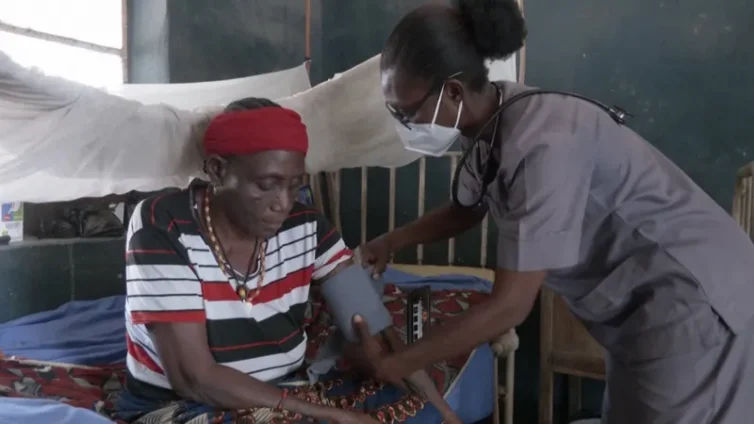
The Reuters news agency spoke to one woman at a hospital in Nasarawa state, who said her condition had got much worse since she was not able to get hold of the combination of drugs.
All Awwal Musa's fingers were clawed and her legs discharged pus. "Before last year, my wounds were getting healed but now they are getting worse. The pain is worse," Ms Musa is quoted as saying.
The nerve damage may be irreversible.
Nigeria's drug authority introduced new regulations for medicines aimed at tackling the importation of counterfeit and sub-standard drugs.
In recent years, several medicines have been recalled for failing to meet safety standards.
But the new measures have had an impact on the availability of crucial treatments, including those for leprosy.
Latest Stories
-
BoG Governor, all MPC members voted to keep policy rate at 14%
4 minutes -
Richard Ahiagbah rejects Global InfoAnalytics poll, says delegates will decide NPP election
13 minutes -
Importers petition GRA over alleged unauthorised removal of 28 containers from Tema Port
22 minutes -
Creative Arts Agency Board seeks Lands Ministry’s support for welfare project
29 minutes -
Mahama and Kyrgyzstan Foreign Minister discuss AU-UN cooperation – Ablakwa
49 minutes -
Ghana, Kyrgyzstan explore cooperation in gold mining and trading
50 minutes -
Bono Region teacher unions back strike, demand action on outstanding grievances
52 minutes -
Strike still in force, stay home – GNAT, NAGRAT and PRETAG tell teachers
57 minutes -
Daily Insight for CEOs: Turning Q4 priorities into measurable results
1 hour -
Heartbreak Diet: Five foods to eat after a breakup or divorce
1 hour -
Health benefits of sweet potatoes
1 hour -
Farmers must be central to research – Prof Asare-Bediako
1 hour -
Nandom youth advocate urges end to political insults, rising drug abuse
1 hour -
Ho edition: Republic Bank-JoyNews Habitat Fair to offer financing from land acquisition to home completion
1 hour -
Three Chinese-operated massage spas shut down in Ashanti Region over licensing breaches
1 hour