

Audio By Carbonatix
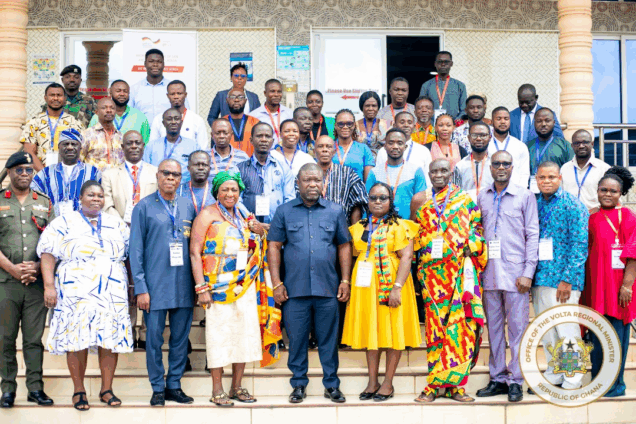
The Volta Regional Peace Council, under the leadership of Regional Executive Secretary Dr David Normanyo, has partnered with the GIZ Rule of Law Programme to deliver a transformative 40-hour capacity-building workshop on Alternative Dispute Resolution (ADR).
The training, being hosted in the Volta Regional capital, Ho, brings together Peace Council members from the Volta and Oti Regions to equip them with practical, non-violent, and community-focused conflict resolution skills that can be directly applied to real-world disputes.
Sponsored by GIZ, the initiative underscores a growing national and regional commitment to justice systems that are accessible, fair, cost-effective, and rooted in trust.
GIZ’s Call for Strengthened Justice Delivery
Delivering remarks on behalf of the GIZ Rule of Law Program team, Technical Advisor, Yvette Kwami, reaffirmed GIZ’s commitment to building resilient justice mechanisms through ADR.
“We are committed to strengthening the justice delivery system and promoting fair, accessible dispute resolution by enhancing the capacity of institutions such as the Regional Peace Council. When communities have trusted, non-violent ways to resolve disputes, they become stronger and more resilient," she said.
According to GIZ, the 40-hour training is an important step in equipping Peace Council members with practical ADR skills, grounded in the principles of fairness, transparency, and respect for all parties, and they believe these tools will not only help prevent and resolve conflicts, but also foster trust and cooperation within their communities.
"We are proud to support this initiative and confident that the knowledge and skills gained here will have a lasting and positive impact,” she added.
Minister Highlights ADR as a Pillar of Sustainable Development
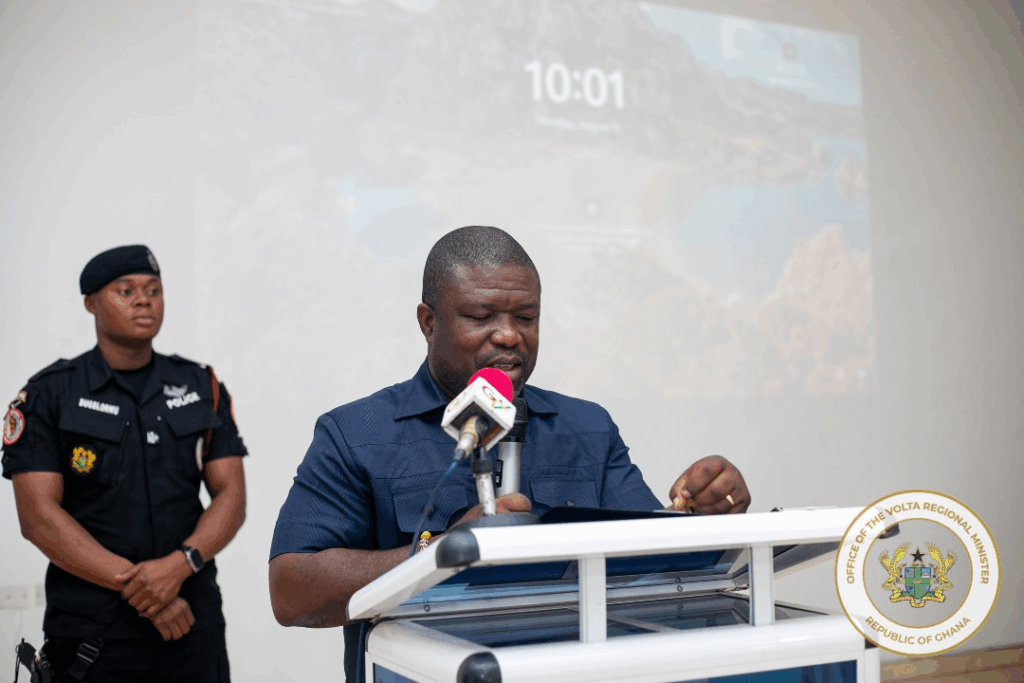
The Volta Regional Minister, Mr. James Gunu, delivering the keynote address, described the training as both timely and strategic, given the rising complexity of disputes in Ghana’s evolving socio-economic landscape.
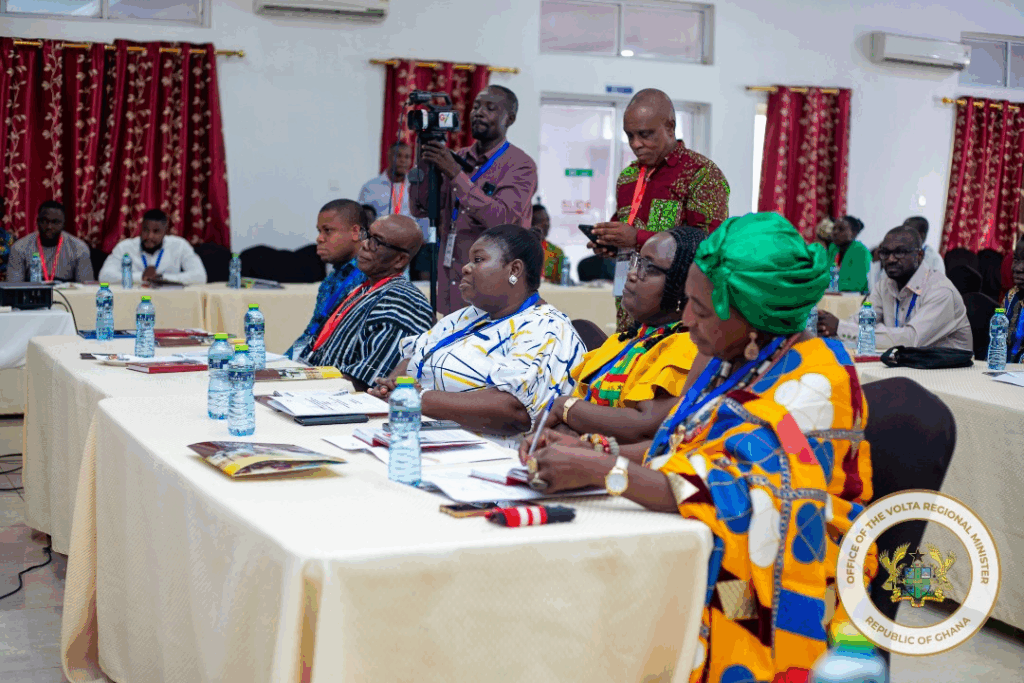
“Conflicts are an inevitable part of human interaction—whether in families, marketplaces, over land, or in the workplace. The question is not whether they will occur, but how we choose to address them. ADR offers a path that is faster, less expensive, and less adversarial than litigation, helping preserve relationships and promote harmony.
The Peace Councils in the Volta and Oti Regions have been instrumental in facilitating dialogue, mediating disputes, and preventing the escalation of tensions. By strengthening our skills and deepening our understanding of ADR mechanisms, we position ourselves to serve our communities more effectively.
As a government, we know that peace is the bedrock of sustainable development. From infrastructure and education to economic growth, our agenda can only thrive in an environment free from conflict. That is why we value partnerships such as this one with GIZ—because they empower local actors to resolve disputes amicably.”
He urged participants to be proactive:
“The lessons you learn here should not remain in theory. Apply them in your daily work. Be ambassadors of peace in your homes, workplaces, and communities, so the Volta and Oti Regions remain shining examples of tolerance, dialogue, and cultural respect.” Mr. Gunu said
Peace Council’s Vision for Unity and Development
Speaking as Volta Regional Chairman of the Peace Council, Rev. Seth K. Mawutor described the training as a positive demonstration of what collaborative peacebuilding should look like.
“This is a powerful example of conflict resolution in practice—aligned with our vision for unity and development. The stories and insights you gain here will enable you to reach out to families, communities, and institutions, helping to turn potential conflicts into history. Engage fully, share your experiences, and embrace open dialogue. This is how we strengthen the foundation of peace,” he emphasised.
Beyond Training: Building a Culture of Peace
The workshop blends theory with practical exercises, real case studies, and role-play sessions in mediation and negotiation.
Participants are being equipped not only to settle disputes but to identify early warning signs of conflict and intervene constructively before tensions escalate.
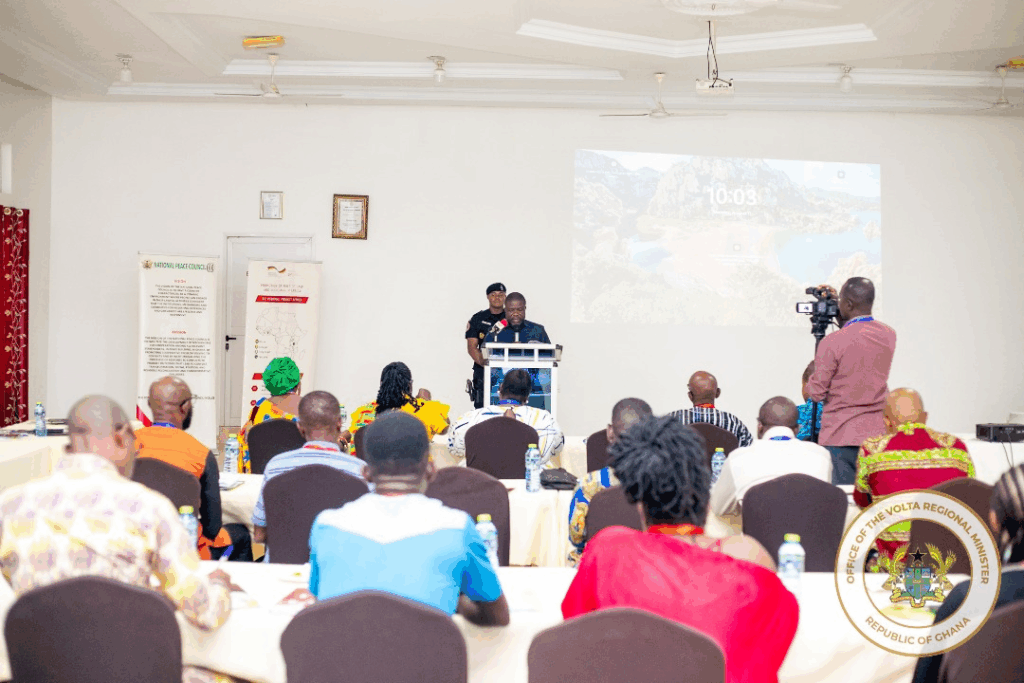
Organisers stress that the long-term goal is to embed ADR into the culture of governance and community life across the Volta and Oti Regions—ensuring that disputes, whether small or complex, are resolved in ways that preserve dignity, maintain relationships, and promote development.
As the sessions continue, the hope is that participants will become true peace ambassadors, carrying the principles of fairness, transparency, and mutual respect into every sphere of life.
The initiative reflects the belief that peace is not merely the absence of conflict, but the active presence of justice, trust, and cooperation.
Latest Stories
-
30 NDC aspirants file nominations in Upper West as regional election approaches
3 minutes -
UPSA launches laptop assembly plant, requiring new students to assemble their own devices
9 minutes -
UCC sociologist calls for action on gender inequality to end child marriage
10 minutes -
LSN questions Ghana’s proposed five-year presidential term and DCE election reforms
11 minutes -
AFCON 2027Q: Bjorkegren to lead Black Stars for Somalia doubleheader with Tanko and Attram as assistants
13 minutes -
AMA completes road repairs on Kwame Nkrumah Avenue
19 minutes -
Law Students’ Network warns executive dominance could undermine constitutional review
22 minutes -
Mahama to meet relevant stakeholders over concerns about the new Customs Act
29 minutes -
CHASS demands a 20% increase in SHS funding and payment of outstanding debts
31 minutes -
Investigation launched after male body found in County Cork
33 minutes -
We have been scammed by NDC, government is only doing PR – Abanga Fuseini
33 minutes -
Tamale Teaching Hospital records 44 new breast cancer cases in six months
35 minutes -
GES declares October 30 CPD day for private school teachers; learners to observe holiday
36 minutes -
South Korea to support Ghana’s forts and castles restoration with $4.5m over five years
37 minutes -
School headscarf ban sparks rare protests in Azerbaijan and row with Turkey
45 minutes