

Audio By Carbonatix
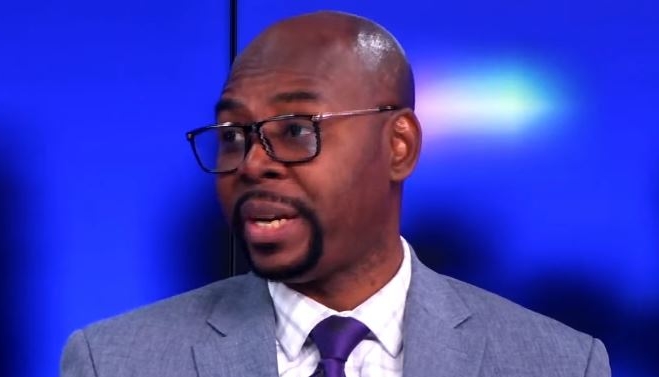
Ghana's fight against substance abuse has reached a critical stage, with the Chief Executive of the Mental Health Authority, Dr. Eugene K. Dordoye, delivering a stark warning that the nation is "failing the youth" in the face of a growing opioid crisis.
Speaking at a JoyNews dialogue themed "Breaking the chains: Ghana’s opioid crisis" on Thursday, August 28, Dr. Dordoye highlighted the unique dangers of opioid addiction for the developing brains of young people.
The dialogue follows JoyNews’ latest investigative documentary, Deadly Doses, which uncovered a surge in drug use among young people in the Ashanti Region.
According to Dr. Dordoye, a consultant psychiatrist and addiction expert, the addictive nature of opioids is particularly aggressive, as the brain quickly develops a tolerance to the drug, requiring ever-increasing doses to achieve the same effect.
"Unfortunately, very unfortunately, the mind is such that if you take drugs of abuse. Tomorrow, it will demand more, because what you took today will not give you the same high tomorrow," he explained.
The Head of Department at the University of Health and Allied Sciences also cautioned about the life-threatening risks associated with both overdose and withdrawal.
"If you take too much of it too at a time, you can get overdose death because the drug would depress your respiratory centre, meaning that you start breathing very slowly, so you don't get enough energy or oxygen into your body to use, so you more or less suffocate," he warned.
The danger, he added, is not limited to overdose.
Abruptly stopping long-term use can trigger a severe withdrawal syndrome that can also be fatal, making professional medical supervision essential for those attempting to quit, he revealed.
Dr. Dordoye underscored the demographic most at risk: the youth.
He cited an alarming statistic that about one in four people who begin drug abuse before the age of 19 will become dependent on it, compared to just one in nine who start after age 24.
This highlights a heightened vulnerability of the young, developing brain.
"If we are able to protect our young people for some time before they start using, we stand a higher chance of them not getting into it," he stated.
However, he lamented the lack of adequate protective measures. "Unfortunately, we are not protecting our young ones, and I think as a nation, we are failing them," he said.
Opioid abuse in Ghana has been primarily driven by the misuse of Tramadol, a synthetic opioid, which is widely used by young men in the informal sector to cope with the physical and non-physical pains of strenuous work and economic hardship.
However, the crisis has evolved, with a surge in the illicit importation of even more potent opioids like Tapentadol and Carisoprodol, often under unregistered brands like Tafrodol and Timaking.
Ghana's Food and Drugs Authority (FDA) and other security agencies have intercepted large shipments of these unapproved drugs at entry points, underscoring the severity of the illegal trade.
Recent efforts by the government and regulatory bodies include:
- Reclassification of Tramadol: It is now a controlled drug, restricting its sale to prescription use only.
- Destruction of Illicit Drugs: The Ministry of Health and the FDA have publicly destroyed large consignments of illegal opioids to deter traffickers and raise public awareness.
- Inter-agency Collaboration: A joint task force involving the FDA, Narcotics Control Commission (NACOC), and Customs is intensifying checks at borders and conducting raids to remove illicit substances from circulation.
- Public Awareness Campaigns: Initiatives like the "Daabi-Say No to Drug Abuse" campaign are targeting the youth through innovative means, including music videos featuring popular artists.
Despite these efforts, challenges remain, including porous borders and limited inter-agency intelligence sharing.
As Dr. Dordoye's words echo, a more concerted and sustained national effort is needed to protect Ghana's youth from the devastating and often fatal consequences of opioid abuse.
Latest Stories
-
Republic Bank JoyNews Habitat Fair to connect prospective homeowners with exhibitors in Ho from October 16 to 18
10 minutes -
Obaasima Summit: ‘AI is not a spiritual attack’ — Rev. Dr. Ofori-Boateng urges young women to embrace technology
20 minutes -
GHS to distribute 80,000 pairs of locally-made protective footwear to health workers
27 minutes -
GoldBod boosts local jobs as 90% of gold undergoes refining in Ghana – Sammy Gyamfi
29 minutes -
The search for the politically unblemished: Are we asking the impossible of public appointees?
30 minutes -
Ghana seeks climate finance access for debt-restructuring countries
40 minutes -
Afenyo-Markin urges stronger media scrutiny of public institutions
41 minutes -
GoldBod recovers GH¢38.7m in legacy PMMC debts, targets remaining arrears
43 minutes -
62 out of every 100 commercial meters inspected missing from Ghana Water database – MD
43 minutes -
GoldBod gets BoG authorisation to sell forex, Sammy Gyamfi tells PAC
46 minutes -
Ghana Water revenue mobilisation below 50% of potential – MD
53 minutes -
Ghana’s democracy must accommodate dissent and constructive criticism – Haruna Iddrisu
54 minutes -
Fact check: Trump posts fake quote of Denzel Washington supposedly praising him
55 minutes -
UPSA students lament high fees at private hostels, call for government intervention
1 hour -
We will upgrade Ghana’s credit ratings if government maintains fiscal discipline, policy effectiveness – Moody’s
1 hour