

Audio By Carbonatix
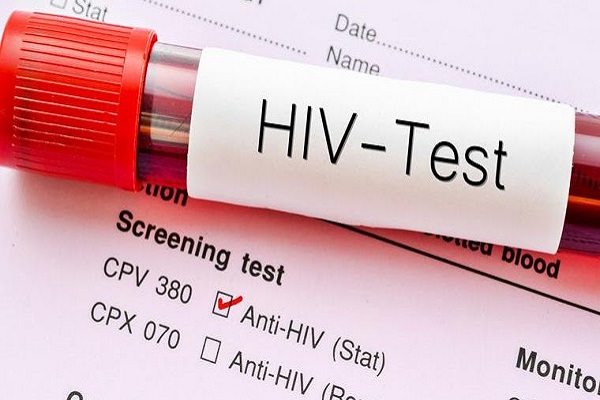
A total of 636 new cases of Human Immunodeficiency Virus (HIV) infections have been recorded in the Ahafo Region in the first half of 2025, according to the Regional Health Directorate.
According to the Health Directorate, during their half-year report, what is of great concern is the infection among adolescents, which accounts for 14% of the new infections in the region.
Dr. Akosua Agyeiwaa Owusu-Sarpong, the Ahafo Regional Director of Health Services, at a press briefing in Hwediem, encouraged everyone, especially the youth, to take HIV prevention measures seriously to reduce the infection rate in the region.

"Total abstinence from sex, being faithful to your sexual partners, and the careful use of condoms are effective ways to limit the transmission of the viral disease," says the Regional Director of Health Services.
Additionally, she reiterated that there are many HIV interventions in our facilities, such as the prevention of mother-to-child transmission of HIV, early infant diagnosis, and HIV linkage to care with antiretroviral medications.
Dr. Akosua Agyeiwaa Owusu-Sarpong entreated everyone in the Ahafo region to take advantage of these interventions in their health facilities to seek care when positive and to prevent new infections.
Regarding monkeypox, she noted that the region has recorded three suspected cases of the virus in Asunafo South and North, adding that "they and their contact persons are all doing well."
Monkeypox is a zoonosis caused by the Mpox/Monkeypox virus. Infection in humans can occur when a person encounters the virus from infected animals, infected humans, or contaminated materials.
The incubation period of monkeypox is typically 3 to 13 days, ranging from 2 to 21 days.
Humans can get infected from animals such as some species of non-human primates and rodents through bites or scratches or direct contact with their body fluids.
Human-to-human transmission occurs through close contact with lesions, body fluids, respiratory droplets, and contaminated materials such as bedding, said Michael Beridu, Deputy Regional Director of Health Services.
He added that suspected individuals experience acute illness with fever, intense headache, back pain, and severe asthenia, followed by a rash one to three days later.
The Deputy Director indicated that they progressively develop a rash, often beginning on the face (most dense) and then spreading elsewhere on the body, including the soles of the feet and the palms of the hands.
"Practice hand hygiene by washing hands often, properly handling dead animals, and avoiding stigma and discrimination," Mr. Beridu stressed.
Latest Stories
-
Bahass Foundation launches vocational skills training to support mental health recovery in Wa
15 minutes -
NPP orders parliamentary aspirants and their supporters to suspend campaign activities
48 minutes -
Techiman unites against child marriage: Joy Impact Makers Awardee leads charge on International Day of the Girl Child
59 minutes -
Ghana Psychological Association calls for greater involvement of people with lived experience in mental health care
2 hours -
Ablakwa says Ghana could evacuate more citizens from South Africa if the situation worsens
3 hours -
Violence against girls must be tackled through individual responsibility – Gender advocate
3 hours -
Ghana’s BRICS bid must be guided by national interest – International Affairs Analyst
3 hours -
Journalists look back on a decade of breast cancer reporting in Ghana
3 hours -
President Mahama ends Resetting Ghana tour of Ahafo Region
5 hours -
African negotiators seek delivery of climate commitments at COP31
5 hours -
BoG develops AI rules for financial sector
5 hours -
‘Big Push’: Government assures contractors of prompt payments
6 hours -
Court fines miner for breaking into gold buying shop
6 hours -
Tarkwa court jails labourer for three years over GH¢123,000 theft
7 hours -
GAEC must retain nuclear scientists for Ghana’s nuclear ambitions – Minister
7 hours