

Audio By Carbonatix
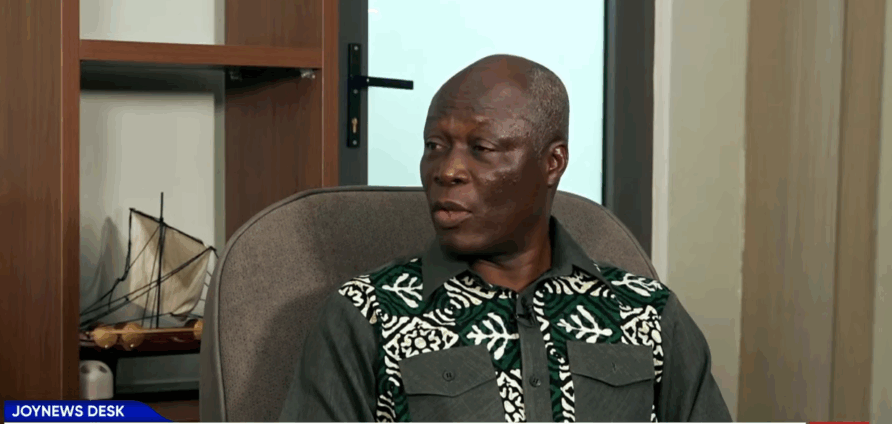
Edwin Nii Lantey Vanderpuye, National Coordinator for the District Road Improvement Programme (DRIP), has confirmed that the initiative has been formalised with a nationwide structure to enhance efficiency, accountability, and sustainability.
Speaking on JoyNews Desk on Monday, January 19, Mr Vanderpuye explained that DRIP, unlike other sectors, began without a formal framework. “Unlike other sectors, we were new. We have formalised DRIP because there was really no structure, so it has taken some time to put one in place. I can say today, across the country, DRIP has a staff of about 5,260,” he said.
He added that the programme now has a national secretariat, regional officers, and district offices, with each district staffed by nearly 17 personnel.
Mr Vanderpuye also highlighted challenges inherited from the previous administration, particularly regarding the servicing of equipment. “The second aspect is the major liability we faced: a lot of the equipment was serviced under the previous regime between September and December. Unfortunately, the government did not pay for the servicing and maintenance of that equipment by the service provider, J A Plant Pool. They bought lubricants, changed brakes, and replaced many parts—all of which were not paid for. This became a liability for us,” he said.
He added that the government is lobbying the Ministry of Finance to settle the outstanding payments to ensure continued servicing under the two-year service agreement. “They are threatening to withdraw their services, and we have a service agreement with them for two years. We have to pay so they can continue servicing the equipment. Currently, they have slackened a bit in responding to calls from the districts, even though some districts are proactive and want to work continuously. But we are insisting: no servicing, no work. Once the equipment has not been serviced, we will not allow it to be used,” he stressed.
Emphasising the importance of proper maintenance, Mr Vanderpuye said, “In the past, a lot of government transport and equipment was destroyed because servicing regimes were not maintained. There was no discipline in the service regimes. This administration wants to make sure that, at the very least, this equipment serves the people of Ghana well. We should extend its lifespan, make the programme sustainable, and ensure that service and maintenance regimes are respected and adhered to so that Ghana benefits from the investment that has been made.”
Latest Stories
-
Mission schools have the right to remain 100% Christian – Christian Apologetic Alliance
2 hours -
UG reopens portal for applicants to review entries after WASSCE results
3 hours -
Ampem Darkoa Ladies miss out on CAF Champions League qualification after penalty shootout loss
4 hours -
Herbal Medicine: Less than 15% practitioners registered
7 hours -
Road inspections not a witch-hunt against contractors — Agbodza
7 hours -
HTU clinic upgraded to primary hospital after HeFRA inspection
7 hours -
“When I am gone, just like Kwame Nkrumah people will appreciate me” – Kurt Okraku
8 hours -
“I love people who are not only critical but constructive” – Kurt Okraku
8 hours -
TECNO’s Modular Phone and TAURUS win gold at IFA 2026, recognising breakthroughs in mobile and gaming technology
8 hours -
Youth Forum in Accra calls for debt cancellation, reparations and African economic independence
8 hours -
Dr Abu Sakara urges African youth to seize global upheaval for economic emancipation
8 hours -
Fulham booed off after third defeat in a row
8 hours -
Joy FM Back-to-School Fair 2026 ends in massive success after two days of discounts and one-stop shopping
8 hours -
Man City maintain 100% start with win over Coventry
9 hours -
Kwesi Pratt urges African youth to reject ‘Gen Z revolution’, reclaim Africa’s resources
9 hours