

Audio By Carbonatix
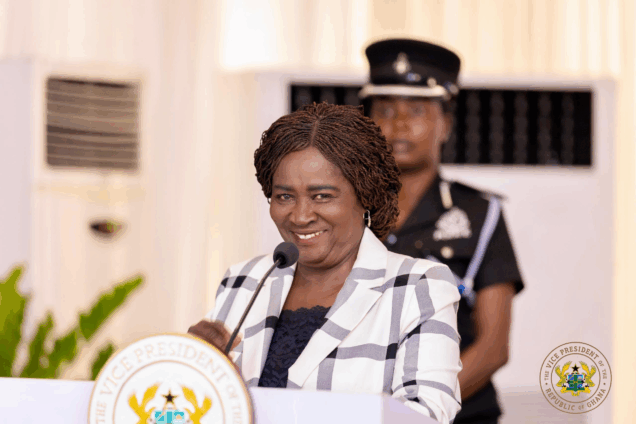
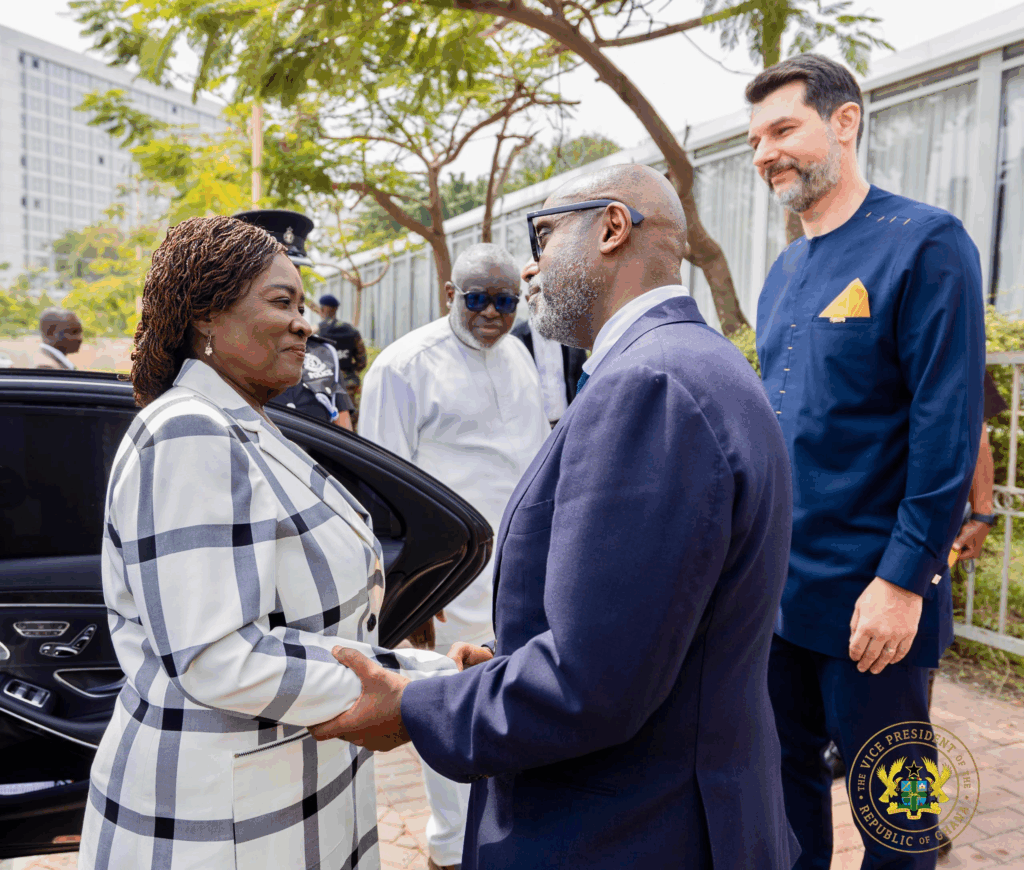
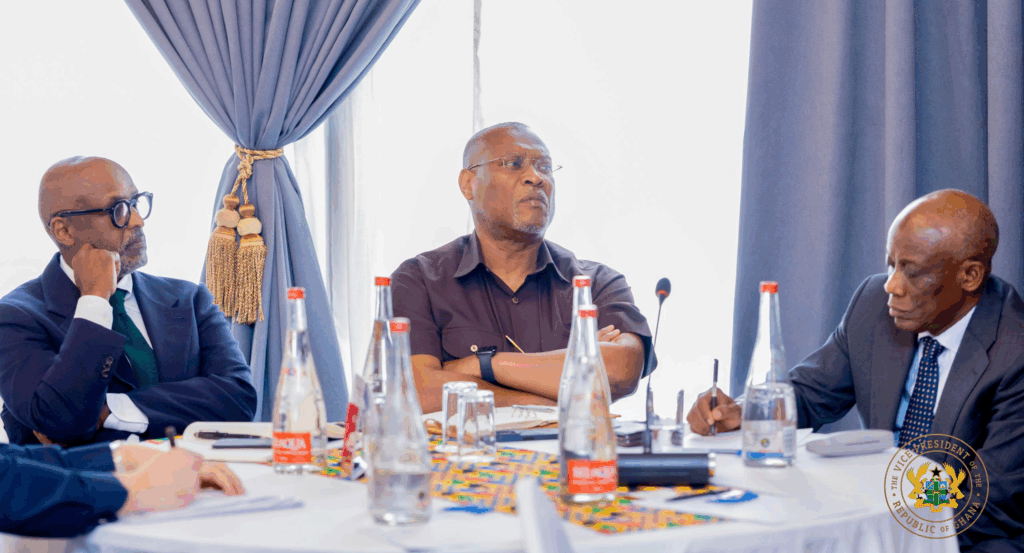
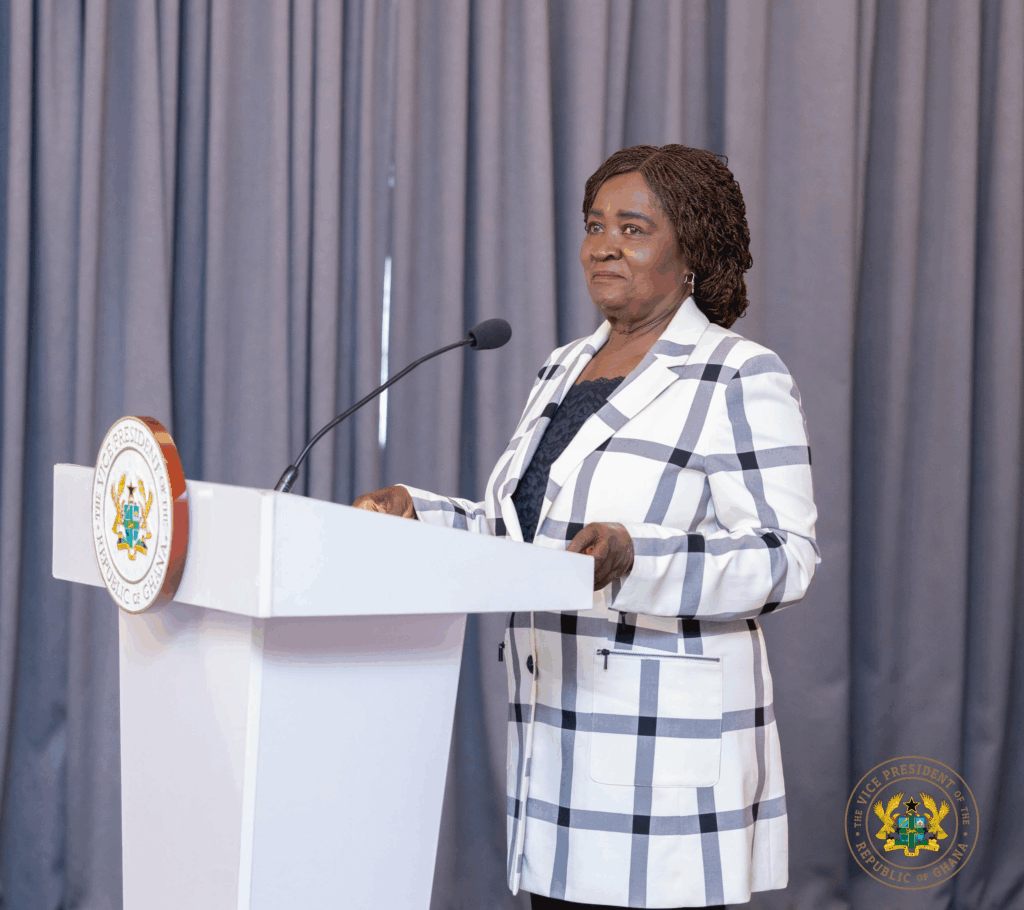
Vice President Professor Naana Jane Opoku-Agyemang has engaged Heads of International Monetary Fund (IMF) country and regional offices in Africa, using the platform to reflect on Ghana’s economic experience amid heightened global concerns over debt and development finance.
The meeting, held on January 20, provided the Vice President with the opportunity to outline Ghana’s improving macroeconomic conditions and to situate the country’s recovery within broader continental and global economic shifts.
Professor Opoku-Agyemang noted that Ghana’s economic reality today differed markedly from that of the recent past, citing key improvements including single-digit inflation, a more stable cedi, and stronger real Gross Domestic Product (GDP) growth.
She emphasised that the gains were tangible and being felt across the economy, rather than remaining abstract macroeconomic indicators.
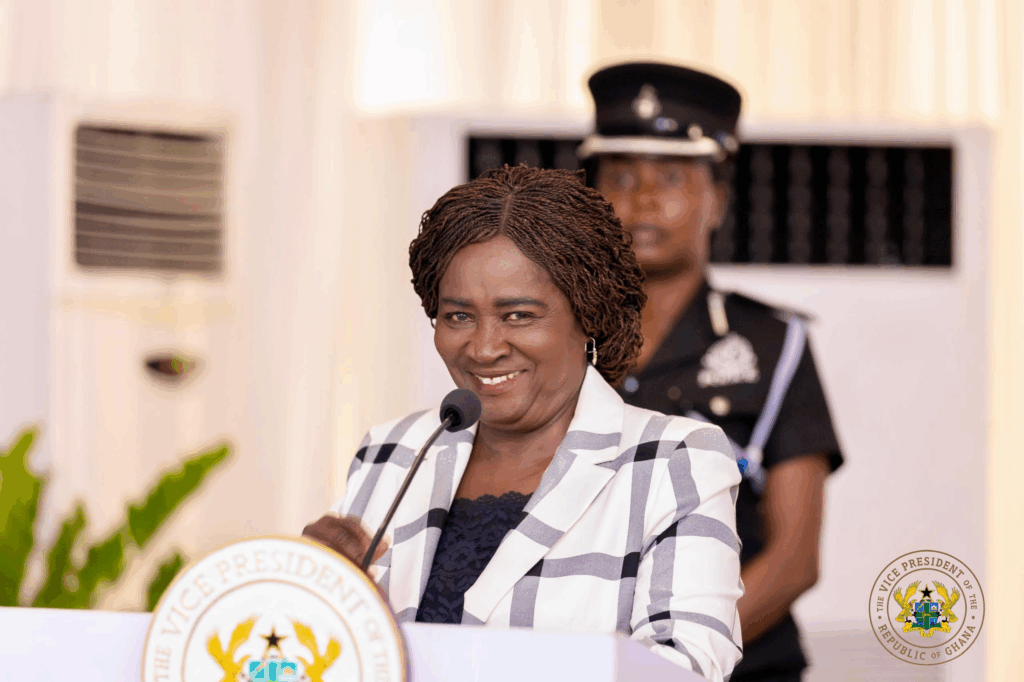
The Vice President said Ghana was entering a new phase with cautious optimism and resolve, underpinned by reforms that were nationally owned and supported rather than dictated by the IMF, and sustained by the country’s willingness to take difficult but necessary policy decisions.
She acknowledged the continued relevance of international financial institutions on the African continent, while observing that recent global and regional developments increasingly demonstrated Africa’s readiness to do more on its own.
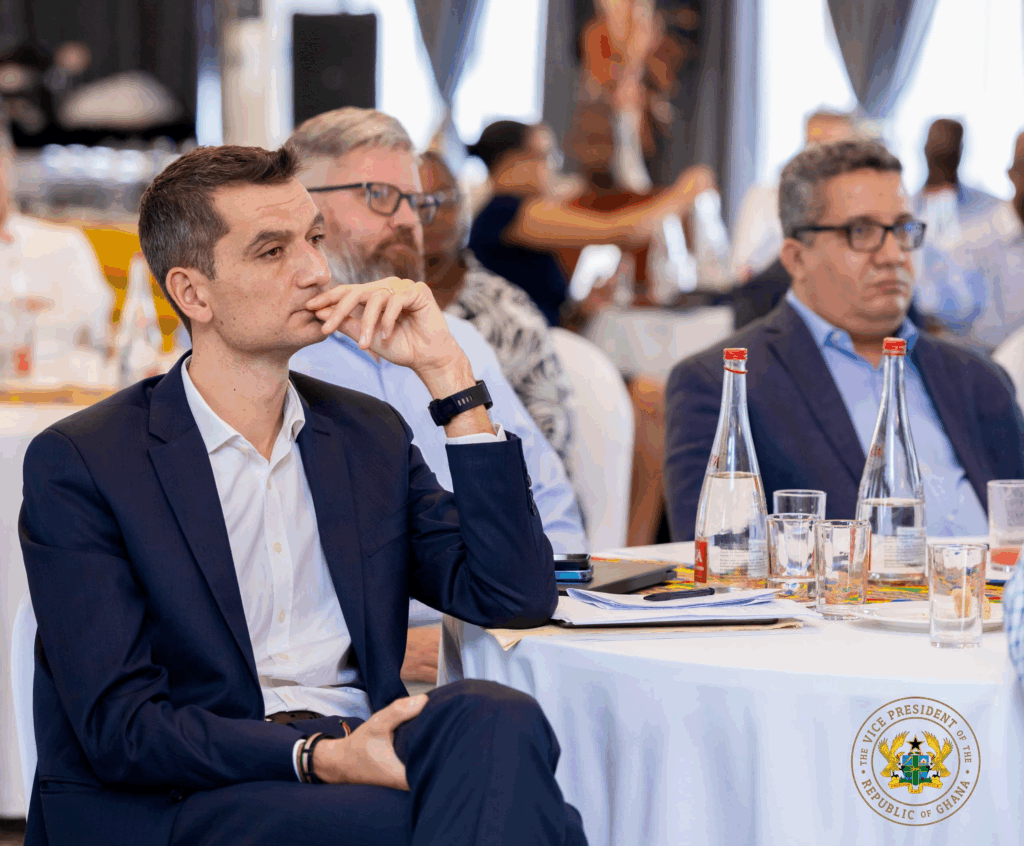
Professor Opoku-Agyemang stressed that this growing self-confidence did not diminish the value of partnerships, but rather underscored the need for mutually beneficial, responsive cooperation that aligns with Africa’s development priorities.
Reaffirming President John Dramani Mahama's position, the Vice President said Ghana’s relationship with the IMF must evolve beyond emergency support arrangements.
She noted that while Africa continued to grapple with structural challenges such as high borrowing costs, the continent also possessed significant opportunities, including the transformative potential of the African Continental Free Trade Area (AfCFTA).
She said Ghana remained committed to pursuing self-reliance, supported by coordinated, fair, and development-oriented international cooperation.
Latest Stories
-
Arise Ghana demands stronger commitment to end galamsey
33 seconds -
96% of Ghanaian pensioners willing to work beyond retirement age – Study
4 minutes -
Ghana gets nuclear power plant simulator
10 minutes -
GMTF, Atlantic Lifesciences explore local production of cancer and heart medicines
15 minutes -
GHS medical-legal claims hit GH¢400m in three years
21 minutes -
Mahama cautions Ghanaians not to take religious freedom for granted
37 minutes -
We need development pathway, not selection exercise – Sports Minister urges football stakeholders
44 minutes -
Government prioritises foundational learning to improve education outcomes
50 minutes -
Ghana, Côte d’Ivoire deepen maritime security cooperation through joint boundary inspection
56 minutes -
Three-hour rainfall exposes poor drainage system in Kadjebi
1 hour -
Ghana, China push AI innovation in healthcare
1 hour -
Give young people skills and the systems to create jobs
1 hour -
Food inflation never responded – Dr Yamson says Ghana must stop throwing money at short-term fixes
2 hours -
Oil set for second weekly rise as unsettled US-Iran war crimps supply
2 hours -
US teen drops lawsuit against Meta, Google and Snap ahead of trial
2 hours