

Audio By Carbonatix
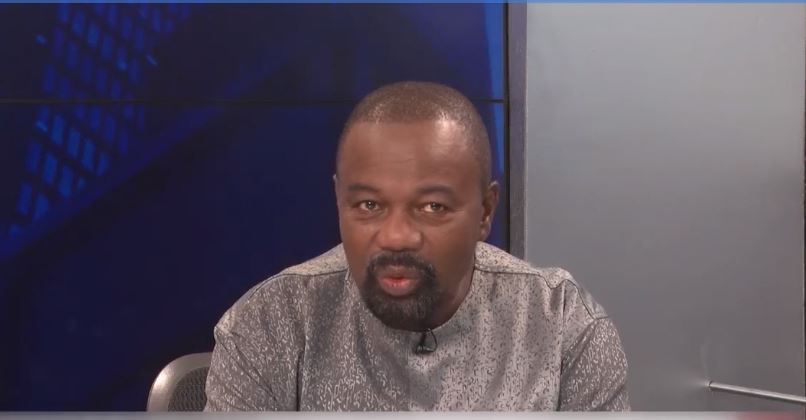
Security analyst and International relations expert, Prof Vladimir Antwi-Danso, has warned that the escalating conflict involving Iran could ignite a fresh wave of global terrorism and destabilise the international order if it spirals into broader state involvement.
Speaking on JoyNews' The Pulse on Monday, on the geopolitical implications of the crisis, the analyst described the attacks as illegal and contrary to the principles of the United Nations Charter.
He cautioned that history shows such actions often produce unintended and far-reaching consequences
“Any such attacks in history have brought about some form of instability for the world,” he said. “If this escalates, it will have geopolitical, economic and political implications globally.”
Prof Antwi-Danso outlined what he described as two dangerous “traps” that could worsen the situation.
First, he noted that the allies of the United States whose territories may be targeted by Iran could unite and escalate the confrontation, widening the scope of the conflict.
Additionally, he warned of the possibility of direct state inclusion in Iran. According to him, past experiences show that large-scale state involvement in similar conflicts has often resulted in prolonged instability and the rise of extremist movements.
Drawing historical parallels, the analyst referenced the 2003 invasion of Iraq, which he said led to the emergence of the Islamic State of Iraq and the Levant (ISIL) and a surge in global terrorism.
“We thought there would be regime change, but what emerged from the ashes was terrorism at its peak,” he noted.
He also cited the intervention in Libya, arguing that the country’s destabilisation created conditions that have since made the Sahel a hotspot for extremist activity, with West Africa bearing significant consequences.
Similarly, he pointed to developments in Afghanistan, where prolonged conflict contributed to heightened terrorist threats.
“If this new trap of state inclusion in Iran happens, there is going to be more terrorism in the world,” he cautioned.
Beyond security concerns, the internal relations expert warned of economic repercussions, particularly potential spikes in global oil prices.
He explained that sharp increases in oil prices historically trigger inflation, market volatility and broader economic turmoil.
“Anytime there are price hikes, there is instability in the global economy,” he said, adding that Ghana would not be immune to the impact of rising fuel costs and global economic shocks.
Latest Stories
-
Beach Soccer AFCON 2026Q: 60 players called up as Ghana steps up preparations
44 minutes -
Today’s front pages: Tuesday, September 8, 2026
1 hour -
FIFA, CAF halt Nigeria football elections over governance crisis
2 hours -
13-year-old Prince George set for first day at Eton College
2 hours -
NPP national election: ‘Something shocking is about to happen in Kumasi’ – Sylvester Tetteh
2 hours -
‘Judge me on my commitment, not whom I supported during presidential primary’ – Sylvester Tetteh to NPP
2 hours -
Family demands answers after dialysis patient dies at TTH during power outage
2 hours -
Foreign Ministry repatriates nearly 7,000 distressed Ghanaians since 2025 – Ablakwa
3 hours -
Gender Ministry steps up community campaign against social vices
3 hours -
Police bust armed robbery gang targeting gold dealers, mining sites in Ashanti and Western regions
3 hours -
Galamsey causes 1 in 4 fibre cuts in Ghana – Sam George
3 hours -
Police link Labone bank robbery suspects to earlier attacks on customers
3 hours -
Accra-Kumasi Expressway will be Mahama’s major road legacy – Agbodza
4 hours -
Ghana spends over US$20m repairing fibre cuts – Sam George
4 hours -
GACL wins two awards at ACI World Airport Experience Summit
4 hours