


Audio By Carbonatix
The Member of Parliament for Kintampo South, Felicia Adjei, has called for a national conversation on adopting Proportional Representation (PR) in Ghana’s electoral system, arguing that the model could significantly improve gender equity and inclusiveness in governance.
Delivering a statement in Parliament, the legislator explained that many democracies across the world have adopted Proportional Representation as a fairer method of translating votes into parliamentary seats.
According to her, the system ensures that every vote contributes to representation, thereby giving smaller parties and minority groups a greater chance of participating in governance.
Under the PR system, if a political party secures 30 percent of the national vote, it would receive approximately the same proportion of seats in Parliament. This approach, she noted, strengthens democratic representation and prevents large numbers of votes from being effectively disregarded.
Madam Adjei pointed out that several African countries have successfully implemented the model to enhance inclusiveness in their political systems. These include South Africa, Namibia, Rwanda, and Senegal, where proportional systems have contributed to stronger democratic participation.
She also highlighted the case of Rwanda, where the proportional system has helped women secure more than 60 percent of parliamentary seats, making it one of the most gender-balanced legislatures globally.
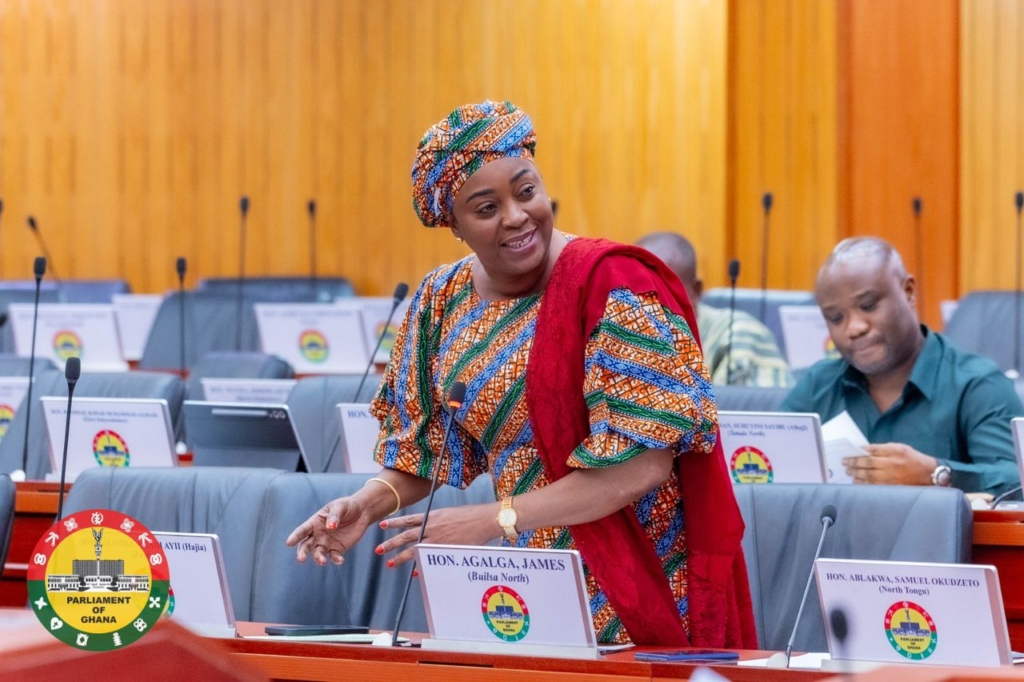
The MP contrasted this with Ghana’s current electoral arrangement, known as the First-Past-The-Post (FPTP) system. Under this system, the candidate who obtains the highest number of votes in a constituency wins the parliamentary seat, regardless of whether they secure an absolute majority. While straightforward, she noted that the system often results in many votes being left unrepresented and can limit opportunities for women and minority groups.
Madam Adjei also referenced the recently enacted Affirmative Action (Gender Equity) Act, 2024 (Act 1121), describing it as a significant step toward increasing women’s participation in governance. However, she cautioned that legislative measures alone may not achieve full gender equity if the electoral system itself does not promote inclusive representation.
As part of potential reforms, she suggested the adoption of Gender-Balanced or “Zebra” Lists, where political parties alternate between male and female candidates when allocating seats. Such a mechanism, she explained, would ensure fairness in representation by design rather than relying on chance.
The MP further proposed that Ghana consider a hybrid electoral system similar to those used in Germany and New Zealand. In such models, some Members of Parliament are elected directly from constituencies, while others are selected from party lists based on the proportion of votes received nationally. According to her, this arrangement would maintain constituency representation while improving fairness and inclusivity.
She emphasised that achieving gender equity is not only a matter of justice but also a requirement for effective governance. She argued that while the Affirmative Action Act has established an important foundation, electoral reforms such as proportional representation and gender-balanced lists could further strengthen efforts to build a more representative Parliament.
Latest Stories
-
Power restoration fault suspected in Kumasi Central Market fire
4 hours -
The 7-foot giant of Ngleshie Amanfro: Seven-foot Ghanaian Ephraim Saawa dreams of joining the national basketball team
5 hours -
Government promises support for Kumasi Central Market fire victims
5 hours -
Vibes The Movie: Big Ghun’s Ghanaian film earns five nominations at 2026 REFFA
5 hours -
MamaCare CEO warns unresolved conflicts among health workers could undermine maternal and neonatal care
6 hours -
Health professionals urged to translate medical knowledge into practice to save mothers
6 hours -
Conflicts among care providers linked to maternal, neonatal deaths – Expert
7 hours -
GIS marks 10th TIME conference, champions improved teaching practices
7 hours -
BRICS Or Balance? What Ghana’s bid really means
8 hours -
GPRTU wants full TRAFFITECH-GH implementation to start in 2027
8 hours -
How 10-mile walks for basic education birthed a 50-year legal career for Justice Korbieh
8 hours -
Mahama announces plans to import electric wheelchairs for PWDs
8 hours -
KGL U17 Colts 2026: Western beat Prempeh Elite Academy to set up final final with Greater Accra Region
9 hours -
Late Solanke strike salvages 10-man Spurs draw at Man United
9 hours -
Gender Ministry to monitor welfare of Nana Akua Addo’s children amid domestic violence case
9 hours