

Audio By Carbonatix
The inability of teaching hospitals to address the equipment gap has led to overdependency and thus affecting the continuous functioning of such equipment.
Also, equipment mishandling and the requisite capacity to maintain such equipment in the teaching hospitals were lagging.
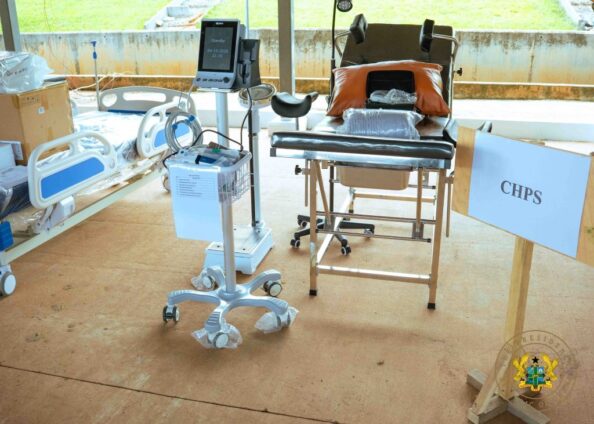
A performance Audit Report by the Auditor-General on Procurement and Maintenance of medical equipment in Teaching Hospitals across the country has revealed.
The Performance audit commissioned by Mr. Johnson Akuamoah Asiedu, Auditor-General also found that the inability for the hospitals to plan, budget, train staff, provide functional workshops and requisite tools.
As well as logistics for the Biomedical Engineering Units to effectively carry out maintenance activities have led to high numbers of nom-functional equipment and prolonged downtime.
The report noted that the situation continued to affect service delivery, revenue generation, and training of health professionals.
Meanwhile, the report singled out Ho and the Tamale teaching hospitals for outsourcing their maintenance activities at a significant cost, despite having in-house Biomedical engineering units that could handle the repairs if properly resourced.
The Performance Audit Report had therefore recommended that the Ministry of Health must as a matter of urgency embark on retooling exercise to ensure efficiency and effective health care delivery.
The teaching hospitals were advised to provide continuous capacity building for staff who use medical equipment to reduce mishandling.
They are also to strengthen and equip the Biomedical engineering units to perform in-house maintenance of their equipment, and the hospitals must allocate a percentage of revenue generated from the equipment’s use specifically for maintenance.
When these recommendations are properly applied, it would help to improve health care infrastructure and service delivery while achieving the Sustainable Development Goal 3.8.
The SDG Target 3.8 aims to achieve Universal Health Coverage (UHC), ensuring all people access quality health services and safe, affordable medicines without financial hardship.
It focuses on reducing out-of-pocket expenses and strengthening health systems, with key indicators tracking essential service coverage and catastrophic health expenditures.
Latest Stories
-
Ghanaian entrepreneur Mary Nyamekye Asamoah wins Africa Travel 100 award
2 minutes -
Obuasi SHTS abuse: Sanction all officials who failed to act – Moving Masculinity
7 minutes -
Lucy Agyepong honoured for excellence in engineering education at maiden GAAS Women’s Awards
10 minutes -
Harriet Afia Konadu Asiedu
17 minutes -
AFCON 2027: Sports Minister ‘convinced’ Black Stars will qualify despite losing opening two games
18 minutes -
CUTS welcomes VAT collection on cross-border digital services, urges fair treatment of Distance Learning students on overseas programmes
22 minutes -
Leave the Chiefs and fix the Galamsey Problem: Dr Solomon Owusu Advises President Mahama
25 minutes -
Pay attention to teachers and give them what is due – Ho District GNAT tells government
28 minutes -
Authorities knew of abuse allegations against Obuasi headmaster months before suspension – JoyNews investigation
33 minutes -
US teenager appears in court over alleged Hindu temple shooting plot
35 minutes -
Academic City donates paediatric rehabilitation staircase to Ga East Hospital
39 minutes -
Services drive 7.4% expansion in Ghana’s economic activity
51 minutes -
‘I don’t make music for awards, I make it to connect people’ – Rocky Dawuni
1 hour -
Farmer jailed for three months over assault on wife in viral video
1 hour -
Police arrest eight in Okaishie operation targeting illicit drugs and medicines
1 hour