

Audio By Carbonatix
Ghana must intensify efforts to strengthen its sovereign credit profile or risk high borrowing costs undermining its long-term development, the United Nations Development Programme (UNDP) has warned.
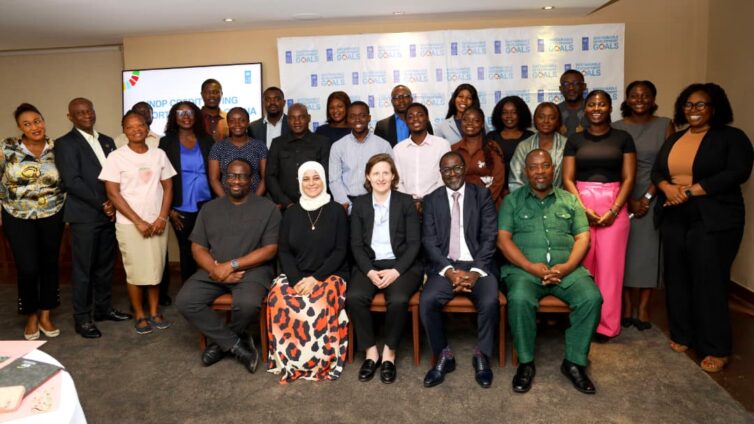
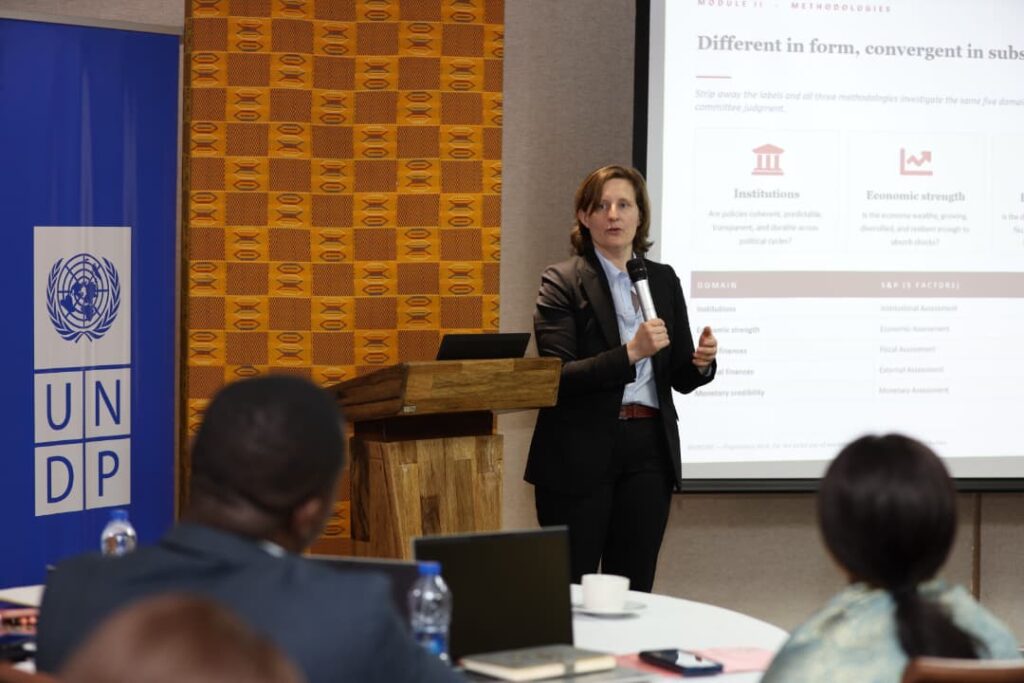
Speaking at a national credit ratings workshop in Accra, UNDP Resident Representative Shaima Hussein said the organisation’s support “comes at a critical moment” as the country works to rebuild its economic credibility following recent financial shocks.
Ghana defaulted on its debt in December 2022 and has since implemented an IMF-backed restructuring programme aimed at restoring macroeconomic stability.
Ms Hussein said the country had “taken bold steps to restore stability through an ambitious debt restructuring process”, adding that these measures “have created fiscal space and built a foundation for economic recovery”. She pointed to recent improvements in sovereign ratings, noting that Fitch Ratings has affirmed Ghana’s long-term rating at B- with a stable outlook, reflecting “growing confidence in the country’s reform trajectory”.
Despite these gains, she cautioned that the outlook remains challenging. “Ghana faces an SDG financing gap of between 60 and 70 billion dollars by 2030,” she said, stressing that this will require “a comprehensive and integrated approach” to mobilising both domestic and international resources.
She also highlighted the burden of high borrowing costs, warning that “at times, Ghana has been forced to borrow at rates as high as 15 to 25 percent”. Such rates, she said, are unsustainable and risk crowding out spending on critical areas such as human development, climate resilience and inclusive growth.
The workshop brought together government officials and key stakeholders to deepen their understanding of how sovereign credit ratings are determined and how countries can better engage with international rating agencies. It builds on earlier training sessions that introduced participants to the technical and qualitative factors that shape a country’s creditworthiness.
According to Ms Hussein, improving how Ghana communicates its economic story is also key. She said the training aims to help officials present a “more compelling and credible” narrative to investors, while strengthening transparency and coordination across institutions.
She urged participants to look beyond the technical aspects of credit ratings and focus on their wider impact. “When Ghana secures a stronger credit rating, it reduces borrowing costs and frees resources for critical investments,” she said.
UNDP says it will continue to support Ghana’s efforts to strengthen its credit profile, enhance investor confidence and unlock sustainable financing needed to achieve its development goals.
Latest Stories
-
Several injured as Saudi capital airport reportedly hit again
1 minute -
Christa Pike discharged from hospital and returned to prison, her lawyers say
3 minutes -
Ghana’s BRICS move requires clear strategy to manage risks – Godfred Bokpin
2 hours -
Pay teachers realistic income – Duncan Amoah to gov’t
2 hours -
Bechem to become chicken capital of Ghana – Mahama projects
2 hours -
Gov’t targets recruitment of 16,500 health professionals in 2026
2 hours -
Two-week strike will not derail academic calendar – GNAT President
3 hours -
Headmaster detained after BBC investigation into alleged sexual abuse of students
3 hours -
GNAT pushes for clear implementation procedures of teachers’ conditions of service
3 hours -
Recurrent strikes threaten quality of education and academic calendars – Prof Bokpin
3 hours -
‘Cockroach’ group leaders among hundreds detained in Delhi protest
3 hours -
Don’t let speed of information become your judgement – CJ tells new lawyers
4 hours -
World Cup visa scandal: People have leveraged public office to facilitate fraud – Senyo Hosi
4 hours -
Glut! Farmers count losses as prices crash, customers happy
5 hours -
GSA postpones auction of unserviceable vehicles
5 hours