

Audio By Carbonatix
Senior Vice President of MTN Group, Ebenezer Asante, has called for targeted reforms and innovative business models to reduce the growing risks confronting Ghanaian businesses, particularly those operating informally and within highly concentrated sectors.
Speaking at the Arganbright Partners Convergence Conference under the theme “Governance and Ethics in the 21st Century: A Path to Sustainable Value Creation,” Mr. Asante warned that businesses heavily reliant on a single industry remain vulnerable to economic shocks.
According to him, the situation becomes even more challenging when businesses operate outside formal structures.
“In Ghana, it's almost like if your business is mostly dependent on one sector or the other, the risk is very, very high. When the business runs informally, the risk is even higher,” he said.
Mr. Asante stressed the need for tailored policies and regulatory frameworks that support indigenous enterprises and strengthen their long-term sustainability.
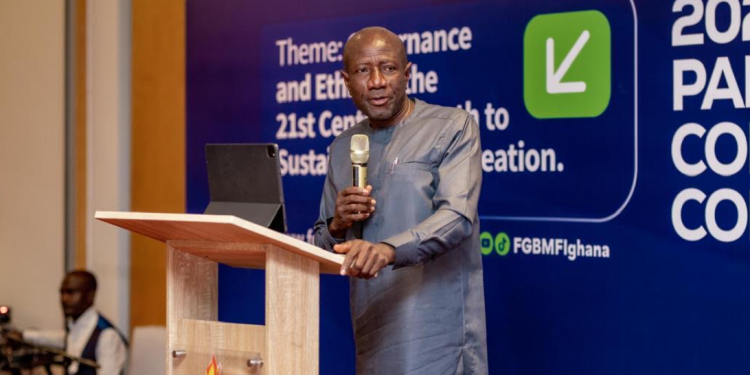
“We need bespoke regulatory frameworks to support some of the made-in-Ghana businesses,” he stated.
He noted that some local businesses are already adopting strategies to reduce exposure by seeking capital market opportunities and introducing more structured governance systems.
“Some of these heavily concentrated businesses are beginning to go to the stock market and finding innovative ways of diversifying risk and helping to formalize and professionalize the way businesses run,” he added.
The MTN executive also challenged business leaders and academic institutions to build locally relevant business models rooted in Ghanaian success stories rather than relying predominantly on foreign examples.
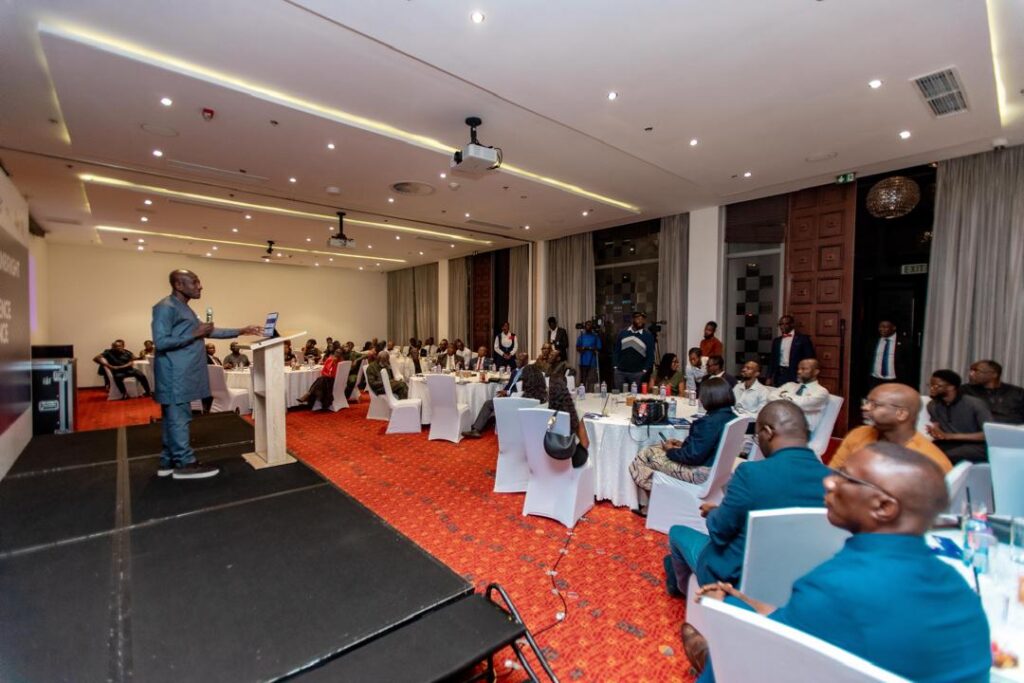
“The business case we need to develop is not the Harvard business case. We need business cases that show how people have grown their businesses from Makola to where they are today,” he said.
He further called on state institutions and universities to champion reforms that create an enabling environment for business growth, innovation, and sustainable value creation.
The conference brought together business executives and stakeholders to deliberate on governance, ethical leadership, and strategies for building resilient businesses in a changing economic environment.
Latest Stories
-
Ministry of Sports and Recreation holds national validation workshop on National Sports Policy Draft
4 minutes -
‘Do you want me to be happy with this poor performance?’ – Bono East Minister fumes over Kintampo market project with less than 1% work done
11 minutes -
London screening honours Nkrumah and 103 years of Ghana cinema
15 minutes -
Founder’s Day: Is Nkrumah’s glory fading? – Nkrumah’s iconic fountain at Circle runs dry
16 minutes -
GHS calls for stronger systems to ensure safe care for NCD patients
16 minutes -
Kufuor calls for Africa’s resources and youthful population to be transformed into opportunities
17 minutes -
Mahama administration not clamping down on free speech – Shamima Muslim
27 minutes -
Ghana TVET Service, UNESCO, KPMG, Microsoft to train 100,000 facilitators in AI
35 minutes -
Kejetia traders demand controls as shop owners resell spaces at inflated prices
36 minutes -
Fix Ghana Maritime Authority surveillance system instead of ‘threatening’ NPP – Dennis Aboagye tells NDC
58 minutes -
Poor land acquisition for development projects pushing people into poverty – Prof Helen Essandoh
59 minutes -
‘This is what we expect from a statesman’ – Brazilian President commends Mahama for leading global reparatory justice push
59 minutes -
Government would be helpless if it relies on NPP for drug intelligence – Miracles Aboagye
1 hour -
The new frontline of peace: Information, Artificial Intelligence and the future of global security
1 hour -
Feed Ghana Programme: Bono East Minister inspects ongoing Farmer Service Centre at Kintampo
1 hour