

Audio By Carbonatix
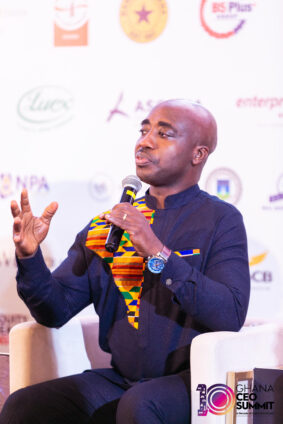
Yaw Appiah Lartey, Deloitte Africa's Head of Infrastructure and Capital Projects (I&CP) and Partner, Strategy and Transactions, has called for the adoption of ‘Blended Finance’, saying it plays a critical role in bridging funding gaps for infrastructure and business development projects across Ghana and the wider African continent.
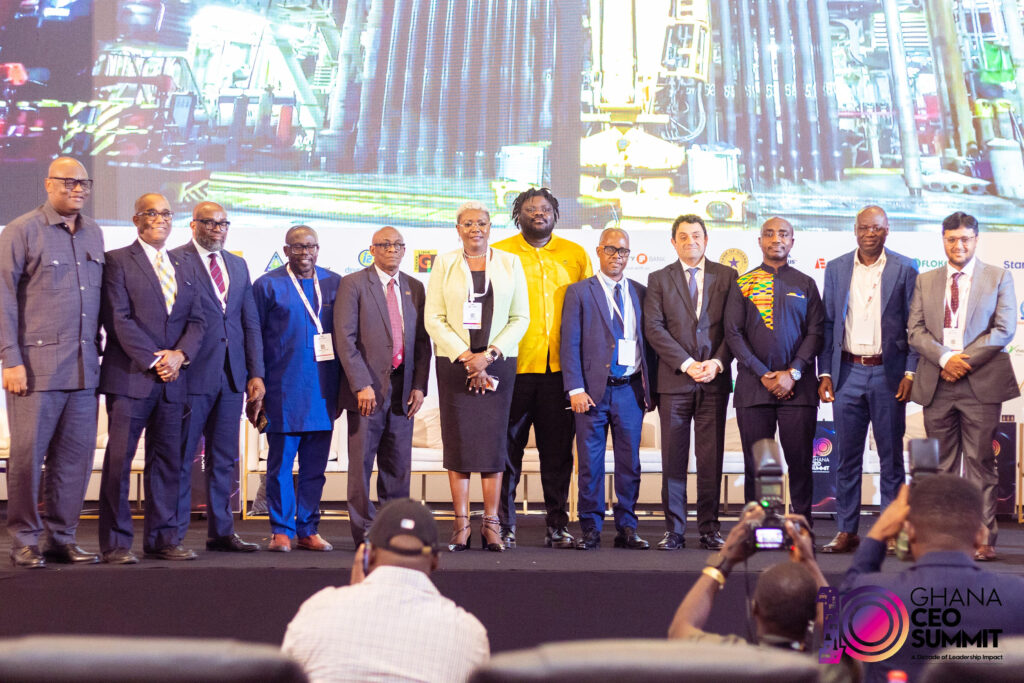
Speaking during a panel discussion at the 10th Ghana CEO Summit, Mr. Lartey highlighted the significance of blended finance in addressing what he described as the "missing middle" in Africa's financing landscape. Blended finance is a strategic approach that combines public, philanthropic, and commercial capital to fund sustainable development projects
According to him, this "missing middle" occurs where projects seeking between US$1 million and US$5 million often struggle to attract funding.
He noted that commercial banks in Ghana are generally unable to finance projects beyond a certain threshold, while international investors and financiers typically prefer larger transactions above US$5 million due to the costs involved in structuring and executing deals.
"As advisors, we act as intermediaries between the developers and the lenders or financiers," he said, explaining that firms such as Deloitte help structure projects and connect developers with suitable sources of funding.
Mr Appiah Lartey said blended finance combines commercial capital with support from development finance institutions (DFIs) and development partners, which often fund the preparatory and high-risk stages of projects. This includes project preparation, feasibility studies and advisory services that help make investments more attractive to commercial lenders.
He clarified that development partners effectively de-risk projects by absorbing some of the early-stage risks that private financiers are unwilling to take on.
Using the example of a salt mining project, he noted that "many investors are reluctant to finance ventures at the exploratory stage because of the uncertainty involved. However, once development institutions provide support and help demonstrate the project's viability, commercial banks become more willing to participate."
According to him, this approach has become increasingly popular because it enables critical infrastructure, business expansion and development projects to move forward despite financing constraints.
In Ghana, institutions such as the Ghana Infrastructure Investment Fund play an important role in supporting blended finance transactions, while similar entities, including the Development Bank of Southern Africa, perform comparable functions elsewhere on the continent.
Mr Appiah Lartey stressed that such mechanisms are essential for mobilising investment, safeguarding projects and accelerating economic development across Africa.
Latest Stories
-
Power restoration fault suspected in Kumasi Central Market fire
3 hours -
The 7-foot giant of Ngleshie Amanfro: Seven-foot Ghanaian Ephraim Saawa dreams of joining the national basketball team
4 hours -
Government promises support for Kumasi Central Market fire victims
4 hours -
Vibes The Movie: Big Ghun’s Ghanaian film earns five nominations at 2026 REFFA
4 hours -
MamaCare CEO warns unresolved conflicts among health workers could undermine maternal and neonatal care
5 hours -
Health professionals urged to translate medical knowledge into practice to save mothers
5 hours -
Conflicts among care providers linked to maternal, neonatal deaths – Expert
6 hours -
GIS marks 10th TIME conference, champions improved teaching practices
7 hours -
BRICS Or Balance? What Ghana’s bid really means
7 hours -
GPRTU wants full TRAFFITECH-GH implementation to start in 2027
7 hours -
Mahama announces plans to import electric wheelchairs for PWDs
7 hours -
KGL U17 Colts 2026: Western beat Prempeh Elite Academy to set up final final with Greater Accra Region
8 hours -
Late Solanke strike salvages 10-man Spurs draw at Man United
8 hours -
Gender Ministry to monitor welfare of Nana Akua Addo’s children amid domestic violence case
8 hours -
Benedict Okyere Yeboah: Ghana’s football problem goes beyond sacking a coach
8 hours