

Audio By Carbonatix
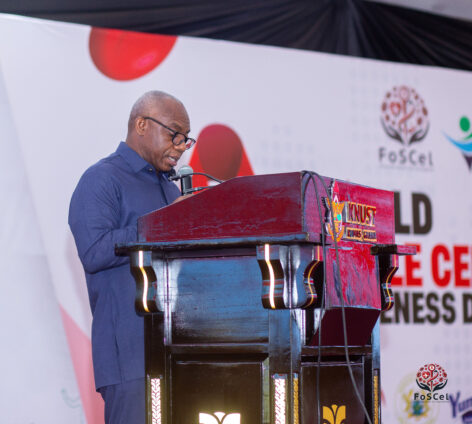
The Vice-Chancellor designate of the Kwame Nkrumah University of Science and Technology (KNUST), Professor Christian Agyare, has called for urgent national action to strengthen awareness, improve genotype testing, and expand healthcare access in the fight against sickle cell disease in Ghana.
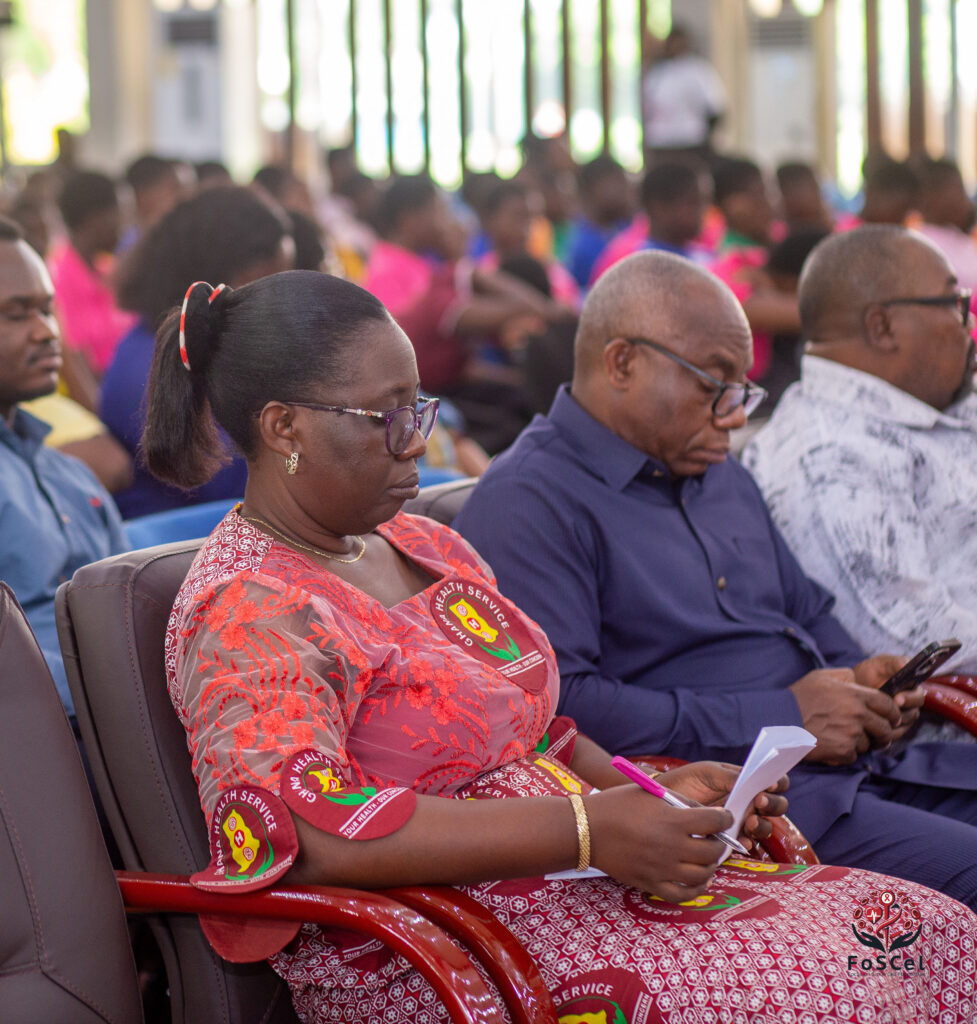
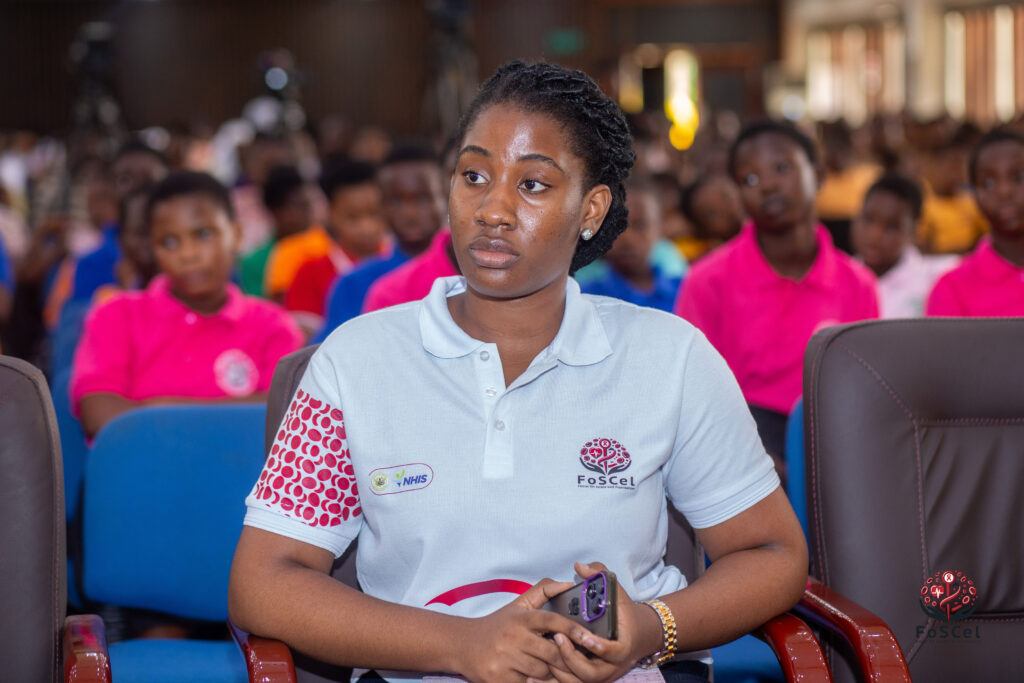
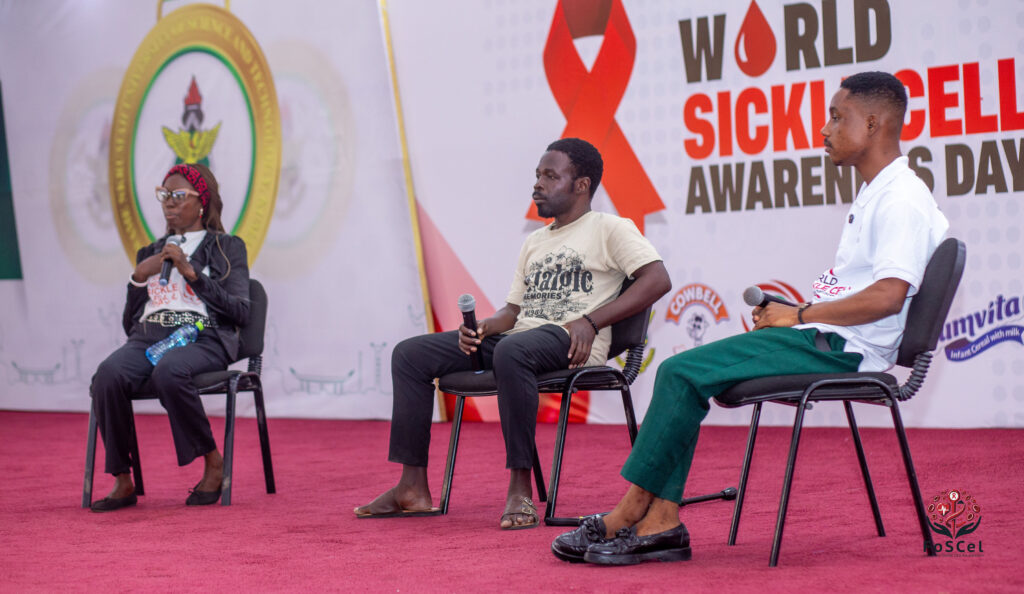
Speaking at the national climax of World Sickle Cell Awareness Day 2026 held at the university’s Great Hall on June 19, the Vice-Chancellor designate highlighted the significant impact of sickle cell disease on public health in Ghana, describing it as a condition that affects individuals and families far beyond hospital settings.
He said the disease disrupts education, limits economic opportunities, strains family relationships, and gradually erodes quality of life for many affected households.
According to him, addressing the challenge requires more than goodwill, stressing the need for collective responsibility, strong partnerships, and sustained national commitment.
He emphasised the critical role of universities in addressing national challenges, noting that KNUST is committed not only to academic excellence but also to delivering practical solutions through research, innovation, and community engagement.
He said universities are central to training future healthcare professionals, scientists, researchers, policymakers, and leaders who will shape Ghana’s development trajectory.
It is therefore both a privilege and responsibility, he noted, for academic institutions to lead initiatives that promote health awareness and informed decision-making.

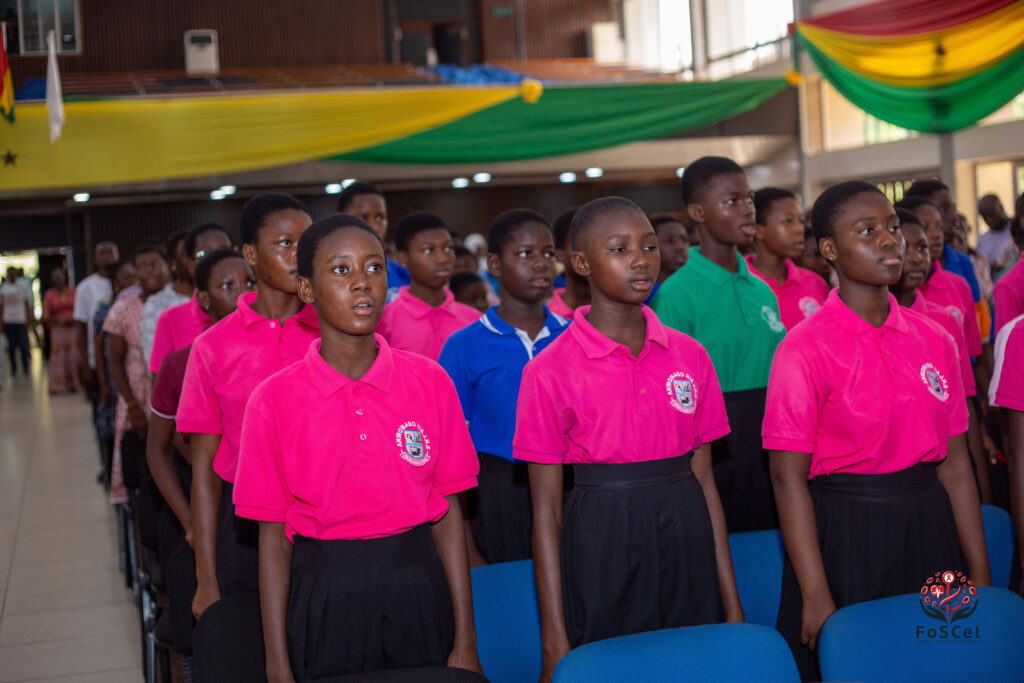
A significant portion of his address focused on young people, including students from senior high schools and junior high schools who attended the event.
He urged the youth to become advocates for awareness by knowing their genotype and seeking credible health information before making life decisions, particularly regarding relationships and marriage.

“Know your genotype, smart choice today, healthy Ghana tomorrow,” he said, stressing that informed reproductive decisions are key to reducing new cases of sickle cell disease in future generations.
He warned that ignorance about genotype compatibility continues to contribute to preventable cases of the disease, urging young people to prioritise testing and education.

The Vice-Chancellor designate also called for improved access to genotype testing across Ghana, urging collaboration between the Ministry of Health, the Ghana Health Service, and the National Health Insurance Authority (NHIA).

He proposed expanding testing beyond hospitals to include biomedical laboratories, diagnostic centres, and community pharmacies to make services more accessible and convenient for young people.
According to him, such decentralisation would reduce barriers to testing and support more informed decision-making in relationships and family planning.
He further urged stakeholders to move beyond awareness creation and focus on concrete action, including early screening, equitable access to healthcare, and stronger support systems for patients.
He emphasised the need for bold policies that protect and improve the lives of people living with sickle cell disease.
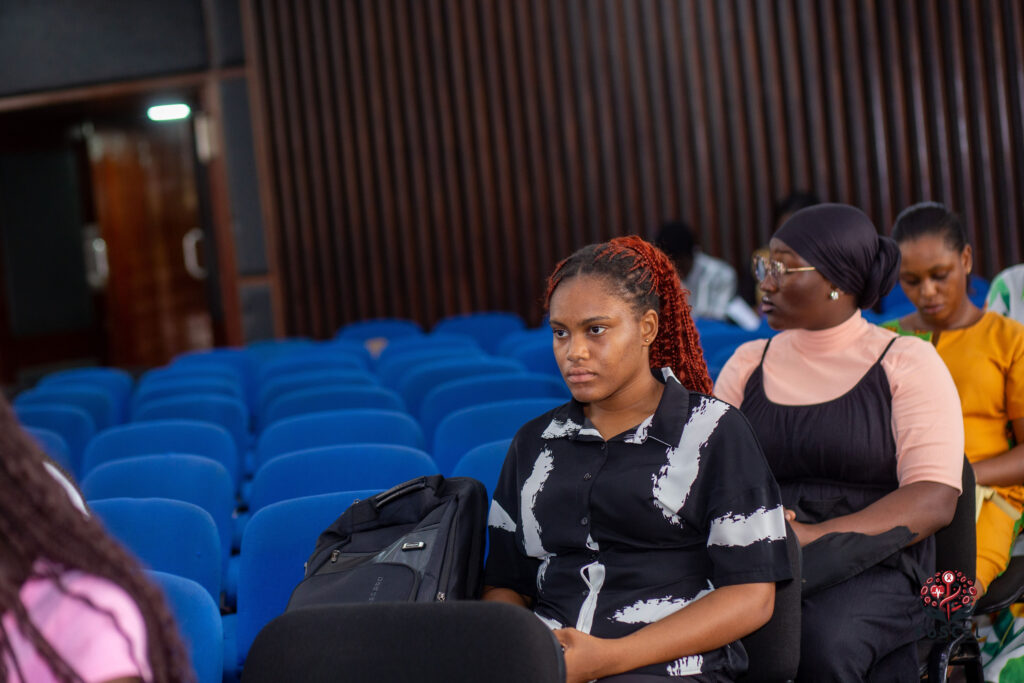
The Vice-Chancellor designate expressed gratitude to the Ministry of Health, Ghana Health Service, National Health Insurance Authority, healthcare workers, researchers, and development partners for their continued support in addressing the disease.
He acknowledged their contributions as vital to improving patient care and advancing national health goals.
He urged renewed national commitment to ensuring that every person living with sickle cell disease has access to quality healthcare, dignity, and equal opportunity.
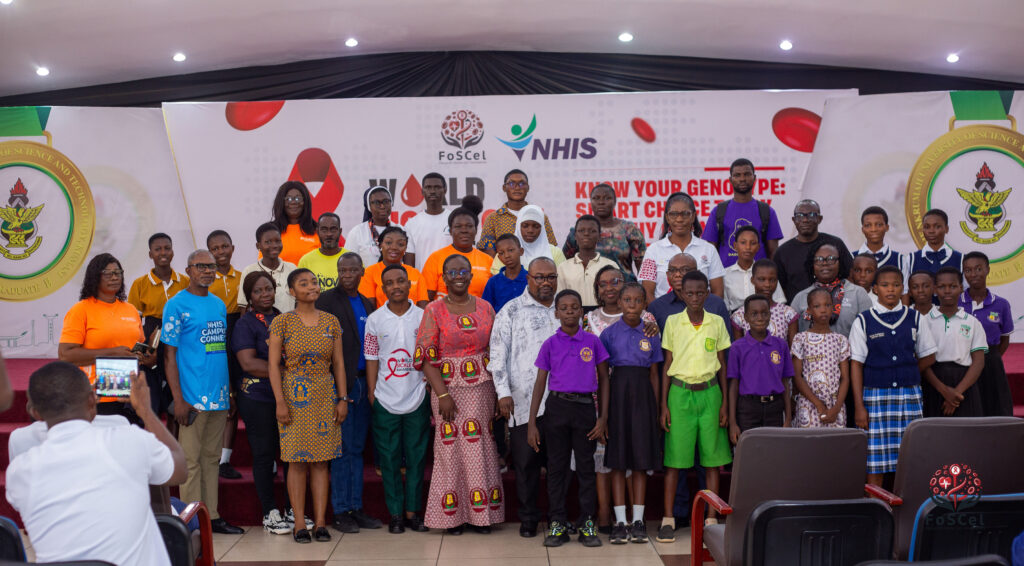
“Today must be more than a moment of awareness. It must be a catalyst for action,” he said, reaffirming KNUST’s commitment to research, innovation, and community engagement in tackling Ghana’s health challenges.
Professor Agyare further described it as a profound honour for KNUST to host the landmark event, which brought together policymakers, health professionals, researchers, students, and civil society actors.
The programme formed part of global commemorations marking World Sickle Cell Day, aimed at deepening understanding of the genetic blood disorder and strengthening advocacy for affected individuals and families.
The university leader paid glowing tribute to the Focus on Sickle-Cell Foundation (FoSCel), praising its vision and sustained commitment to raising awareness and supporting people living with sickle cell disease.
He noted that what began as a personal and emotional commitment had grown into a respected national platform that continues to unite policymakers, healthcare professionals, researchers, development partners, educational institutions, and civil society organisations.
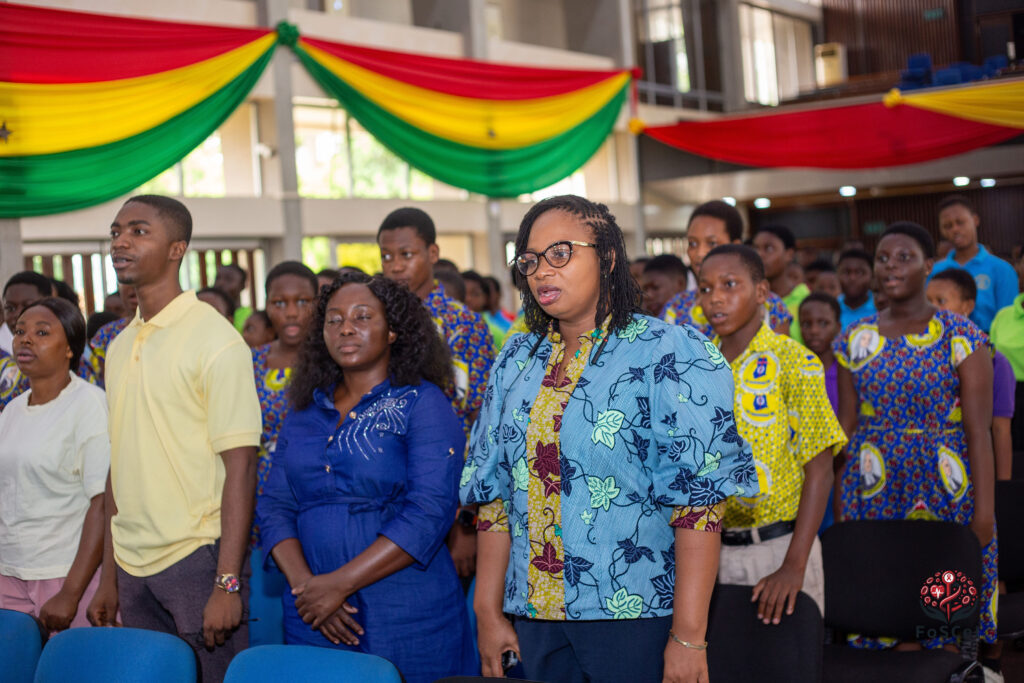
“When individuals and organisations unite behind a worthy cause, FoSCel stands as a living proof of how transformative that commitment can be,” he said, adding that the foundation’s work has not only improved lives but also reshaped national conversations around the disease.
Latest Stories
-
Mahama urges African governments to treat healthcare as an investment, not budget cost
34 minutes -
Bawumia congratulates John Boadu and new NPP executives, pledges support ahead of 2028
36 minutes -
‘No talent should be left out’ – Bawumia pledges inclusive NPP campaign for 2028
41 minutes -
Prof. Mike Oquaye recounts how he blocked Special Prosecutor’s attempt to arrest Bawku Central MP
57 minutes -
Make health sovereignty a priority for Africa – Mahama
1 hour -
Dorimon Naa, Wa West DCE lead massive clean-up exercise; threaten sanctions against recalcitrant residents
1 hour -
Photos From Adom FM Y2K Jam
1 hour -
Praye Tiatia steals the show at Adom FM Y2K Jam [Watch]
2 hours -
Boakye Agyarko congratulates John Boadu, pledges support for NPP leadership
2 hours -
Antwi HiMight thrills fans with Antwi ne Antwi hits at Adom FM’s Y2K Jam [Video]
2 hours -
Amb. Edward Boateng congratulates Boadu, Kodua on election wins
2 hours -
John Boadu pledges to rebuild NPP from grassroots and restore ‘winning machinery’
2 hours -
Ashaiman Assembly deploys monitoring system to curb dumping in storm drain
3 hours -
John Boadu must rebuild, unite NPP for 2028 – Edward Boateng
3 hours -
Executive intimidation of opposition undermines separation of powers – Prof Oquaye
3 hours