

Audio By Carbonatix
The Ghana Union of Traders’ Associations (GUTA) has challenged the latest utility tariff increase, arguing that improving macroeconomic conditions should have resulted in lower charges rather than higher ones.
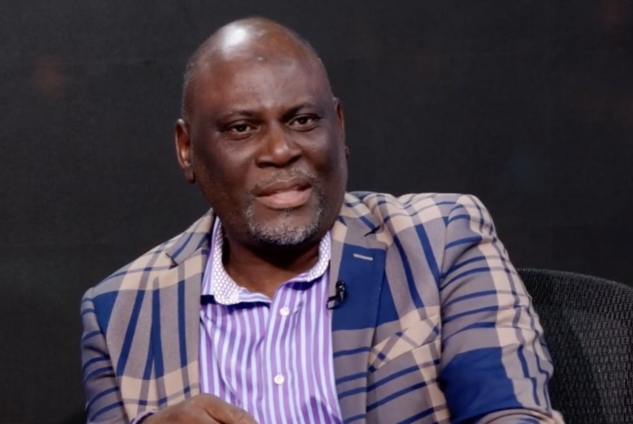
Speaking on Joy News’ PM Express on Tuesday, GUTA Vice President Joseph Paddy said traders were taken by surprise by the announcement and criticised the lack of consultation before the decision was made.
“We slept one night, woke up in the morning, and we heard announcements that they’re going to be a tariff adjustment increase, and we’re like, why so when we were not engaged,” he said.
Mr Paddy insisted that major decisions affecting businesses should be preceded by broad stakeholder engagement.
“For good governance, you need stakeholder engagement and participation. So if you’re going to increase tariff, you need to engage,” he stressed.
He questioned the justification for the increase, saying the reasons cited by regulators appeared to point in the opposite direction.
“In the letter, all the proposals they put in place- fluctuation of the cedi, about four issues they cited- we see they are all in a positive direction. If they are in a positive direction, then why do you want to increase utility tariffs?” he asked.
According to him, Ghana’s currency has remained relatively stable against the US dollar for well over a year, providing businesses with greater certainty and easing cost pressures.
“Now we have stability of the cedi against the dollar for some time now, for over 15 to 16 months, which we think today, when I was taking dollars to cedi, is about ¢11.25 or so, which is in a positive direction.”
He contrasted the current exchange rate with previous levels, arguing that the cedi's appreciation should have translated into lower operating costs.
“Once upon a time, it was around ¢17 to $1,” he noted.
Mr Paddy also pointed to declining interest rates as another positive economic indicator that should have supported a downward review of utility charges.
“And then the interest rate has dropped. Today, interest is moving around 12%. Exchange rate has also dropped.”
He argued that when the improving exchange rate and easing interest rates are considered together, the case for increasing tariffs becomes difficult to understand.
“So, putting all these factors together, we were thinking that if anything should, if there is going to be an announcement at all, it’s be a reduction, not an increase.”
The GUTA Vice President maintained that businesses had expected the gains from the stronger cedi and improving economic conditions to be reflected in lower utility costs.
Instead, he said, traders were confronted with higher tariffs without prior engagement, a move the association believes runs contrary to the prevailing economic indicators.
Latest Stories
-
Fuel prices set to rise again from Sept 1; petrol could hit GH¢16.21 – COPEC
15 minutes -
REGSEC restricts Akwasidae celebrations in Denkyira amid security concerns
21 minutes -
Eric Adjei distributes free fertiliser to farmers in Jaman North
28 minutes -
Akufo-Addo urges NPP factions to unite behind Bawumia for 2028 victory
39 minutes -
NDC mourns Western Regional Elections Director Papa Assan
46 minutes -
Minerals Commission warns against fake job recruitment schemes
53 minutes -
10 recruits dismissed for defying phone ban – Interior Minister
59 minutes -
IEAG commends GoldBod, BoG for improving forex stability
1 hour -
Bawumia donates GH¢50,000 to St Jude Catholic Church at Weija
1 hour -
Mahama calls for faster mobilisation of AU Peace Fund resources
1 hour -
Improved roads bring new vehicle options to Tumu-Bolga, Tumu-Tamale, Tumu-Wa routes
1 hour -
Cedi records 7.9% depreciation against US dollar in first half of 2026
2 hours -
GIS launches operation on anti-human trafficking and exploitative street begging
2 hours -
Awutu-Senya District Assembly organises clean-up ahead of Awubia Festival
2 hours -
Vice President Opoku-Agyemang receives Democracy Cup
2 hours