

Audio By Carbonatix
A President joining a national clean-up exercise may make for good television. But the real question is: Is that the highest standard of leadership Ghanaians should expect?
Leadership is not best demonstrated by holding a broom after a flood. Leadership is best demonstrated by building systems that prevent the flood in the first place.
Waste does not accumulate overnight. It builds up daily through failures in collection, transportation, disposal, enforcement and public discipline. That is why waste management should be a daily public service, not an occasional national event.
A National Clean-up Day has its place. It can promote civic responsibility, encourage volunteerism and remind citizens of their environmental obligations. But it should never become the centrepiece of a nation’s waste management policy. If anything, excessive dependence on periodic clean-up campaigns risks creating the mindset that waste can accumulate for weeks or months and then be removed during a national exercise.
The recent floods did not create the mountains of waste we are now cleaning. They merely exposed and displaced waste that had already accumulated in our drains, waterways and public spaces. The floods were therefore not the cause of the waste problem; they were a consequence of it. If accumulated waste contributes to flooding, then the logical response is to prevent its accumulation—not to organise emergency clean-up campaigns after tragedy has struck.
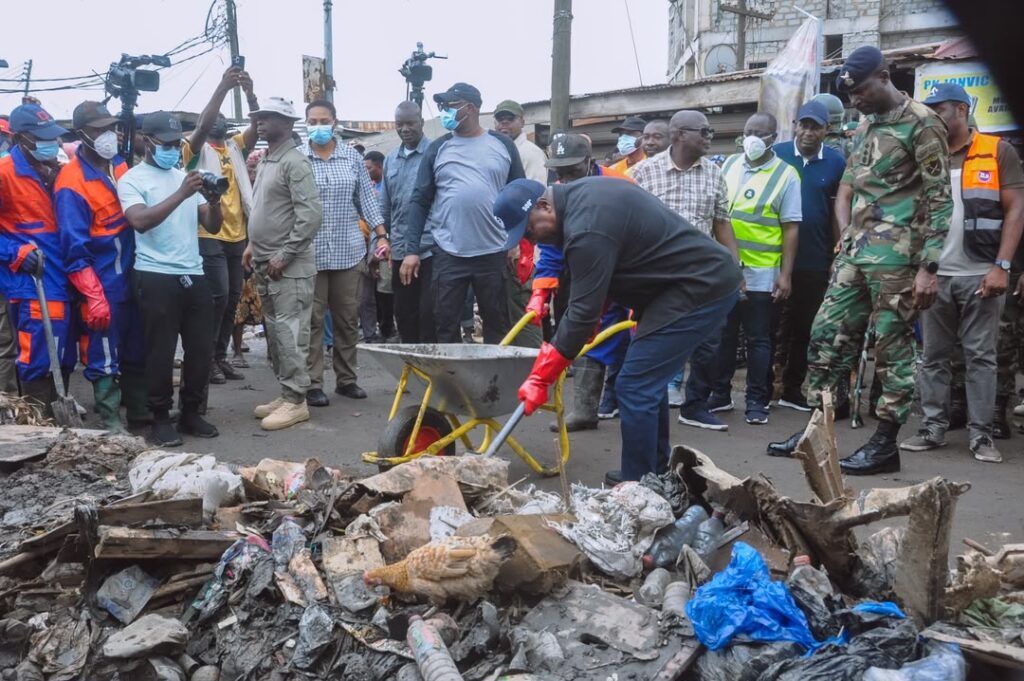
This is the difference between responsive leadership and preventive leadership. Responsive leadership mobilises people after disaster strikes. Preventive leadership builds institutions, finances sanitation services, enforces sanitation by-laws, maintains drains, and ensures that waste is collected before it becomes a hazard.
As an opposition, our responsibility is not simply to criticise. It is to hold government accountable and to demand better governance. We therefore call on President John Dramani Mahama to move Ghana away from reactive sanitation campaigns and towards a modern, professional, year-round waste management system that prevents disasters instead of responding to them.
The best sanitation leadership is not demonstrated by leading the nation with a broom after a flood. It is demonstrated by building institutions, financing services, enforcing regulations, and maintaining systems that make such extraordinary clean-up exercises largely unnecessary.
Ghanaians deserve a government that leads with systems—not brooms.
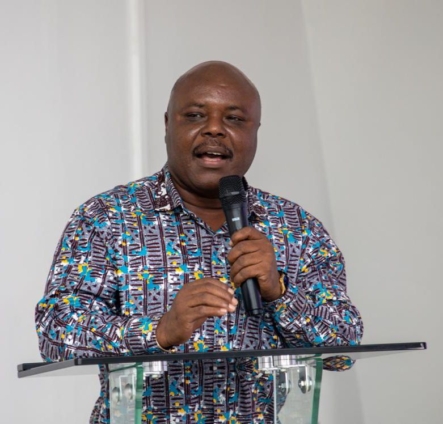
The author, Joseph Cudjoe, is a former Minister for Public Enterprises and former Deputy Minister for Energy, and former Member of Parliament for Effia Constituency.
Latest Stories
-
The small lessons changing how Ghana’s restoration champions plant trees
13 minutes -
Government must not perpetrate galamsey, it campaigned against – GBA President
23 minutes -
PRIMER must ensure women return home safely with their babies – Vice President
24 minutes -
LEAP payments begin nationwide as government targets 450,000 households
25 minutes -
Results before style: Why sticking with Carlos Queiroz is a great decision
26 minutes -
Mahama convenes high-level meeting to strengthen border security and narcotics control
39 minutes -
Thara Mills Simmonds named 2026 Forty Under 40 Achiever in Education
43 minutes -
Ghana deepens diaspora diplomacy: Embassy pledges enhanced consular support for Ohio communities in Columbus
51 minutes -
Ghana’s maternal health success story at risk without rural incentives – UNFPA
51 minutes -
Gaps in suicide data affect prevention interventions in Ghana – Accra Psychiatric Hospital MD
52 minutes -
Ghana Armed Forces to participate in Accra-Kumasi Expressway construction – Mahama
53 minutes -
Use chiefs to stop disputes from flooding Ghana’s courts – Deputy AG to governing council of ADR
1 hour -
Four arrested as police bust alleged kidnapping, torture and extortion syndicate
1 hour -
NPA increases price floor from September 16; petrol to sell at GH¢16, diesel at GH¢16.77
1 hour -
OMJ fufils BECEPIP schorlaship promise, awards 12 learners
2 hours