

Audio By Carbonatix
Members of Parliament have called for the establishment of a tourist museum in the Ahanta West Municipality to preserve the returned head of Nana Badu Bonsu II, the Ahanta king who was publicly executed by Dutch colonial authorities during the Ahanta-Dutch War in 1838.
The proposal was made on the floor of Parliament as lawmakers paid tribute to the late king, whose resistance against colonial rule has been described as a symbol of Ghana’s fight for freedom.
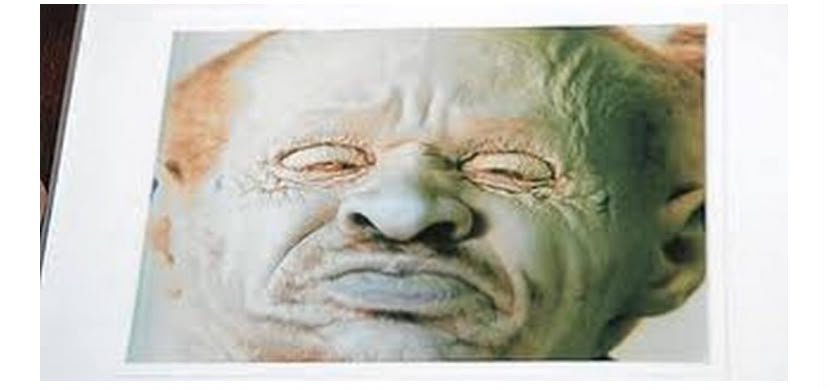
More than 170 years after his execution, the severed head of Badu Bonsu II was returned to Ghana by the Netherlands following diplomatic engagements between the two countries.
However, it is currently being kept at the 37 Military Hospital pending a final decision on its preservation.
Presenting a statement in Parliament, the MP for Ahanta West, Mavis Kuukua Bissue, urged the nation to honour the memory of the revered chief by establishing a museum in his home area.
She said such a facility would not only preserve an important part of Ghana’s history but also serve as a centre for education and tourism.
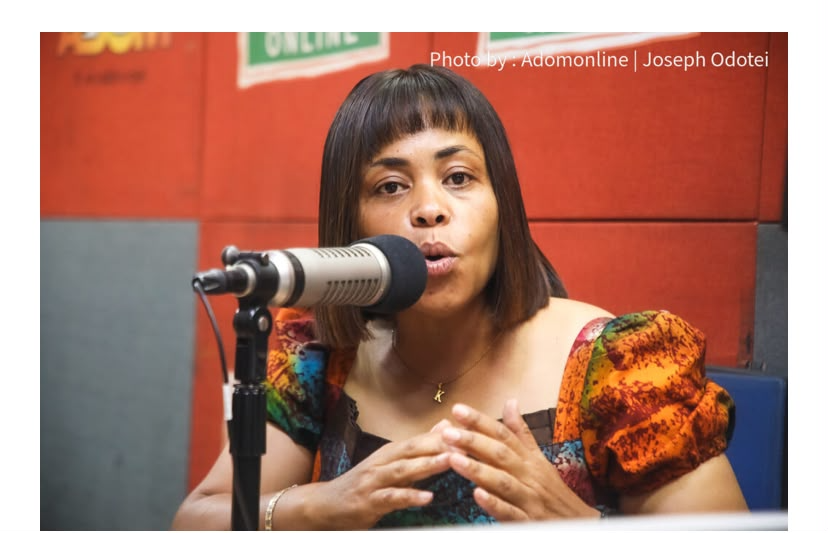
According to her, Badu Bonsu II’s courage and sacrifice in resisting colonial domination deserve national recognition, adding that future generations should be able to learn about his legacy.
The proposal received support from Members on both sides of the House.
The Member of Parliament for Tamale Central, Prof. Seidu Mahama Alidu, backed the call, describing the return of the king’s remains as an opportunity for Ghana to reclaim and preserve an important chapter of its history.
Similarly, the Member of Parliament for Guan, Fred Kwesi Agbenyo, supported the establishment of a museum, saying it would ensure that the story of Badu Bonsu II and the Ahanta people’s resistance against colonial oppression is preserved for posterity.
Lawmakers said preserving the remains in a dedicated museum would not only honour the fallen king but also strengthen historical education, cultural identity and heritage tourism in the Western Region.
Nana Badu Bonsu II was executed by Dutch colonial authorities in 1838 after leading resistance against Dutch rule during the Ahanta-Dutch War. His head was taken to the Netherlands, where it remained for more than a century before being repatriated to Ghana following diplomatic negotiations.
Latest Stories
-
GNPC moves Voltaian Basin exploration towards TUA 1X Well at Chegu
17 minutes -
NPP calls for bail review for remanded Techiman nursing officer
23 minutes -
GH¢60k to run 66 Rent Control offices for 3 months? – Acting Commissioner questions Finance Minister
36 minutes -
Who cooked the Ghana Jollof?
37 minutes -
Republic Bank targets 42% mortgage market share by 2026 year-end
38 minutes -
Ghana eyes first astronaut as country sets sights on global space economy
46 minutes -
WAFU B U-17 Girls Cup: Black Maidens primed for Nigeria encounter
51 minutes -
Security agencies won’t chase citizens for insulting President, other officials under my watch – Bawumia
1 hour -
Europa League: Eddie Nketiah scores first goal of 2026/27 season in Palace win over Lech Poznan
1 hour -
Bawumia condemns remand of Techiman nurse, demands her release over free speech concerns
1 hour -
Today’s front pages: Friday, September 18, 2026
3 hours -
Prof Kwaku Asare questions legal basis of case against senior nursing officer linked to ‘Ghana Jollof’
3 hours -
Financial inclusion must go hand in hand with investor protection – BoG Governor
3 hours -
National dialogue to reset local governance
3 hours -
Ablakwa rewards six North Tongu WASSCE best performers with MacBooks, scholarships
4 hours