

Audio By Carbonatix
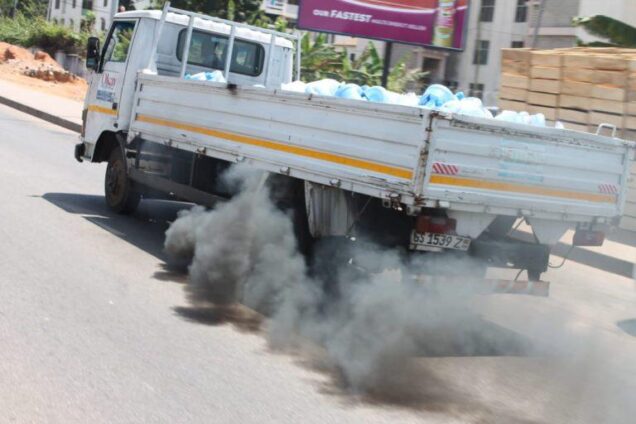
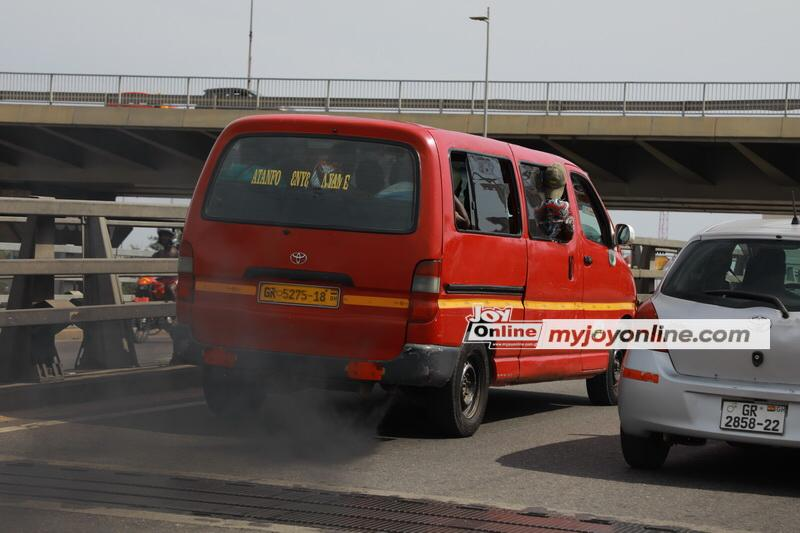
Smoke from vehicle exhaust contains cancer-causing substances, health experts have warned, as a new study reveals that air pollution has become one of Ghana’s leading causes of death, claiming more than 30,000 lives annually.
The warning comes amid growing concerns over deteriorating air quality across Ghana, where pollution levels in several communities exceed national and international safety standards.
Researchers and public health experts are calling for stricter enforcement of vehicle emission regulations, improved urban planning, and increased public awareness to reduce pollution and prevent thousands of avoidable deaths linked to respiratory diseases, cardiovascular conditions, and cancer.
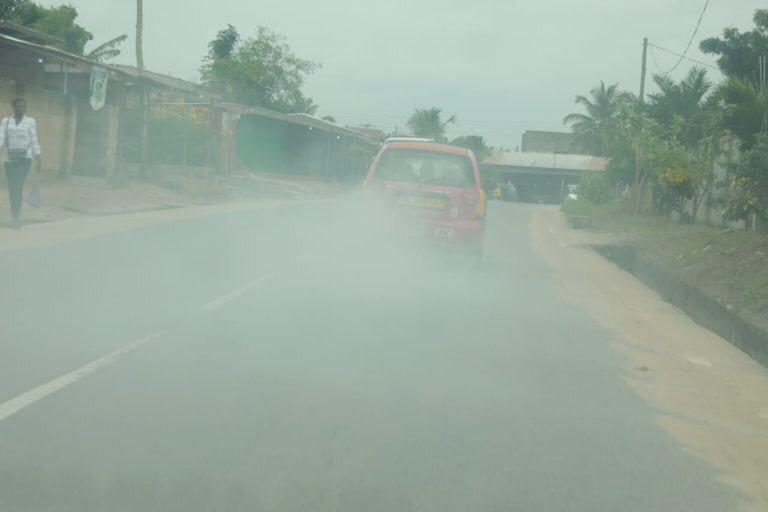
Air pollution has emerged as a major public health challenge in Ghana, driven by rapid urbanisation, an increasing number of vehicles, open waste burning, industrial activities, and the widespread use of biomass fuels.
According to a recent study conducted by PSS Urbania Consult, with support from the Clean Air Fund, pollution-related illnesses now account for more annual deaths than malaria, HIV/AIDS, and road traffic accidents combined. The findings highlight the urgent need for coordinated action by government, local authorities, and citizens to tackle the growing threat.
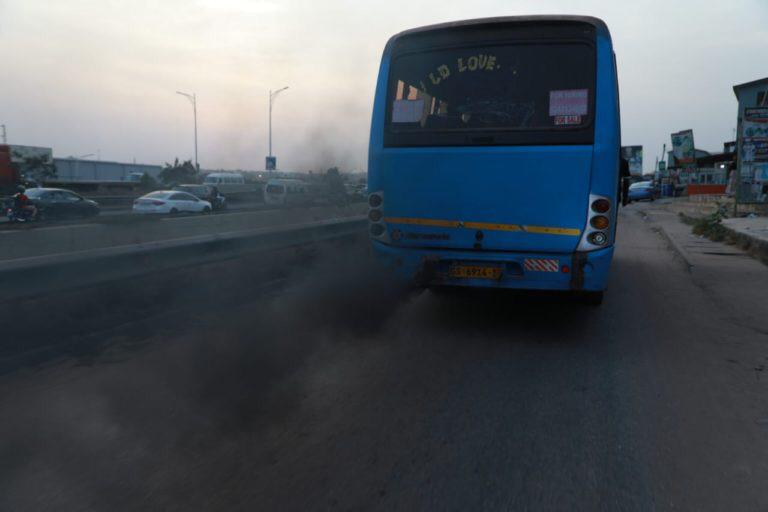
Speaking on the issue, Dr Kwadwo Ansong, Deputy Director at the Council for Scientific and Industrial Research–Savanna Agricultural Research Institute (CSIR-SARI), warned that vehicle exhaust fumes contain polycyclic aromatic hydrocarbons (PAHs), which are classified as carcinogenic by the United States Environmental Protection Agency (EPA).
“The smoke from cars contains polycyclic hydrocarbons, PAHs, that can cause cancer. In Germany, there is a company called TÜV that checks vehicles with smoky exhausts. I urge the DVLA to put stringent measures in place to reduce smoke emissions into the atmosphere,” he said.
Dr Ansong also urged vehicle owners to take responsibility for properly maintaining their engines to prevent excessive emissions.
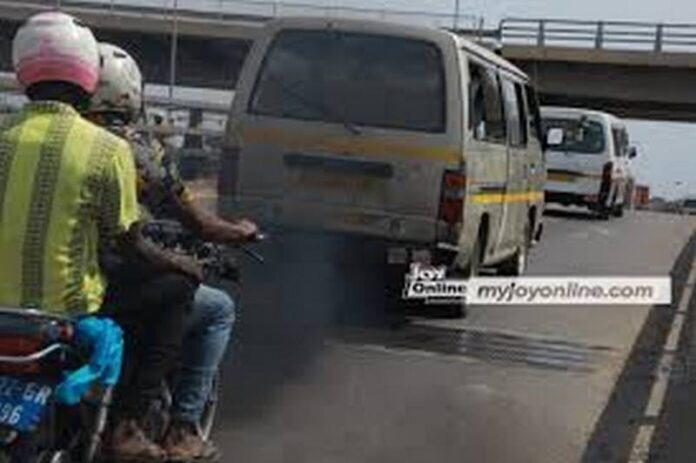
The study identified major sources of air pollution in Ghana as vehicular emissions, open waste burning, the use of firewood, pesticide use in farming, and dust generated from road construction activities. The findings also highlighted the deteriorating air quality situation in the Greater Accra Region.
Senior Urban Planner and Managing Partner of PSS Urbania Consult Ltd, Joseph Ayitio, advised Metropolitan, Municipal, and District Assemblies (MMDAs) to implement measures aimed at reducing air pollution in their respective areas.
The Public Health Director of the Accra Metropolitan Assembly (AMA), Mrs Florence Kuukyi, said the Assembly had introduced measures to monitor and address the pollution challenge.
“We have received support to install low-cost sensors across Accra to monitor air pollution levels and intervene where necessary. We are also implementing measures to decongest traders operating close to roadsides, as this contributes to traffic congestion and increases emissions. We are working to reduce this,” she said.
Experts warn that without urgent and sustained interventions, the health and economic burden associated with air pollution will continue to worsen.
This report was produced in collaboration with New Narratives, with funding from the Clean Air Fund.
Latest Stories
-
Ballon d’Or Power Rankings: Lamine Yamal leads race for Golden Ball ahead of Rodri and Kane
30 minutes -
‘Nothing worked for us’ – Gideon Mensah takes responsibility for Gambia defeat
48 minutes -
2026 Women’s Super Cup: FC Savannah beat Epiphany Warriors to win trophy for first time
2 hours -
AFCON 2027Q: ‘The last time Ghana won was eight games ago’ – Carlos Queiroz
3 hours -
AFCON 2027Q: Gambia defeat doesn’t make me a loser – Carlos Queiroz
3 hours -
2027 AFCONQ: Late goals seal 2-0 for Côte d’Ivoire against Somalia
3 hours -
AFCON 2027Q: My resignation won’t solve Ghana football issues – Queiroz
3 hours -
Morocco call off Ghana friendly after Black Stars’ AFCON setback
3 hours -
‘We have to say sorry’ – Queiroz apologises after Ghana’s humiliating defeat to Gambia
3 hours -
New Yorker identified as Yaw Boahene, 57, killed after bag was caught in subway train doors
3 hours -
Former American Idol contestant and pastor found guilty of murdering wife
4 hours -
Trump rules out joint US-China venture to develop AI
4 hours -
‘Beating Ghana did not surprise me’ – Gambia boss
4 hours -
OpenAI agents get rebrand – as ‘dots’ – while safety worries delay new model
4 hours -
US ban on Canadian alcohol and dairy takes effect as trade war drags on
4 hours