


Audio By Carbonatix
The Driver and Vehicle Licensing Authority (DVLA) will begin piloting its new digital vehicle registration system in August 2026, as part of efforts to eliminate the cloning of number plates and strengthen vehicle identification processes.
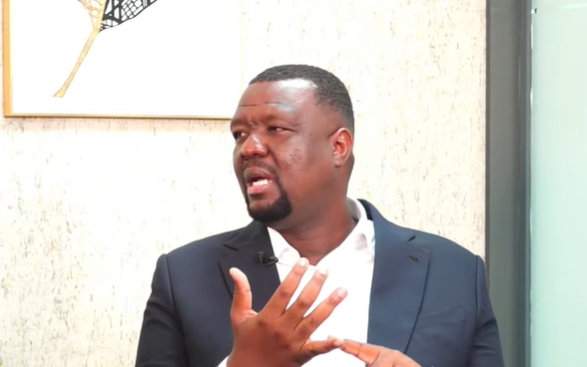
The Chief Executive Officer (CEO) of the DVLA, Julius Neequaye Kotey, said the pilot phase will pave the way for the full rollout of the system on January 1, 2027.
Speaking in an exclusive interview on JoyNews’ The Pulse on Friday, July 24, Mr. Kotey explained that the digital transformation project will introduce a more secure system for producing and managing vehicle number plates.
“We are looking at doing the piloting from August. The exact date in August I wouldn’t disclose. The piloting system will start then, the main registration begins January 1, 2027,” he said.
According to the DVLA CEO, the new system will help address longstanding challenges, including the ease with which individuals can illegally produce duplicate number plates and the difficulty security agencies face in tracing vehicle information.
He said institutions such as the Ghana Police Service, the Economic and Organised Crime Office (EOCO), and National Security often request vehicle information, but the current system sometimes makes it difficult to provide accurate records.
“Today Ghana Police Service, EOCO, National Security will call for information on a particular vehicle, and sometimes we struggle to get this information. Sometimes we don’t have it at all,” he stated.
Mr. Kotey attributed some of these challenges to the unrestricted access to number plate production, revealing that several companies and individuals currently have the ability to emboss number plates without proper verification.
He said his own checks revealed how easily people could acquire number plates without submitting any documentation.
“I did my own research. A woman at Pokuase Road, I went to them, I was just passing and I saw that the woman had displayed number plates. I went to her and said I want a number plate. I just wrote the number for her and she took the money from me. The next day I had a plate,” he disclosed.
The DVLA CEO stressed that vehicle number plates are security documents and should not be produced by unauthorised persons.
“A number plate you emboss is a security document. It’s not for anyone to have or to be able to emboss,” he said.
Under the new system, Mr. Kotey explained that number plates will no longer be manually produced by multiple operators. Instead, production will be controlled through a centralised manufacturing system linked directly to the DVLA.
He said the system will take vehicle information from the DVLA database, generate the required details, and send them to authorised embossers who will be regulated by the Authority.
“The manufacturing system now takes information from DVLA, manufactures the plates and then sends it to an embosser for the embosser to also emboss. The embossers are also going to be regulated by DVLA,” he explained.
Mr. Kotey said the reform is expected to improve vehicle tracking, support law enforcement agencies with reliable information, and reduce criminal activities associated with cloned vehicles and fraudulent number plates.
Latest Stories
-
Sadio Mane, Achraf Hakimi make 2026 Ballon d’Or shortlist
7 minutes -
John Boadu best positioned to return NPP to power in 2028 – Wontumi campaign
17 minutes -
B5 Plus urges import bans on goods Ghana can produce
18 minutes -
Ballon D’or: Three Africans make 2026 Men’s Goalkeeper of the Year shortlist
25 minutes -
Tuesday downpour causes extensive damage to properties in Berekum Municipality
25 minutes -
Music Beef: When rivalry sells, fans fight, and the industry pays
29 minutes -
Mahama calls for stronger support for women’s football
31 minutes -
‘No Ghanaian should pay’ – Health Minister warns health workers against charging for Free Primary Healthcare
31 minutes -
Weija Dam spillage begins a day earlier than announced as GWL responds to rising water levels
31 minutes -
Renewed gunshots reported in Bunkpurugu as Regional Security Council meets
32 minutes -
Highest paid world leader to get salary increase of $1 million
34 minutes -
Como chiefs giving up seats to older fans for Champions League debut
34 minutes -
CSSPS should restrict unqualified students from choosing Category A schools – Divine Kpe
35 minutes -
Cybersecurity purchase letter is fake – EOCO Investigator tells court as prosecution closes case
39 minutes -
Ga Mantse’s Fetu Afahye entry: A proud Ga moment
48 minutes