

Audio By Carbonatix
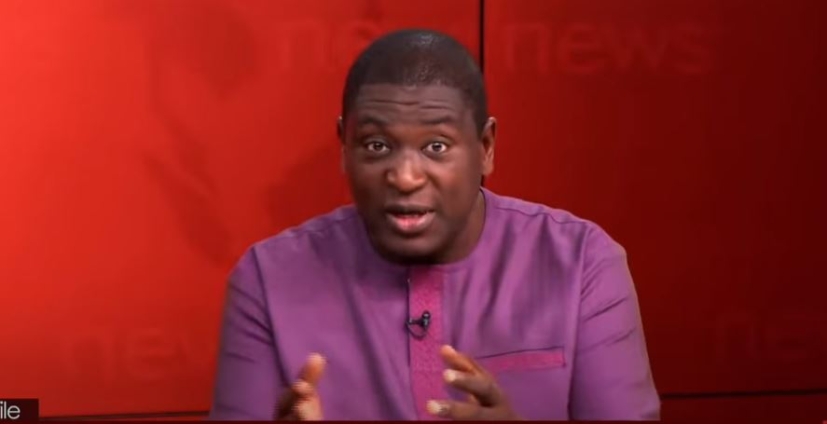
Energy analyst Kwadwo Poku has welcomed the government’s decision to reduce diesel prices by GH¢2 per litre, describing it as a relief for consumers, but has cautioned that the intervention does not address the long-term challenges facing Ghana’s petroleum sector.
Speaking on JoyNews' The Pulse on Monday, August 3, Mr Poku said any reduction in fuel prices would have a positive impact on consumers, many of whom have been affected by rising transportation and operational costs.
“Any reduction that gives us the breather helps us have a good day,” he said.
However, he expressed concern that repeated short-term interventions, including the removal of subsidy margins, could create difficulties for players within the petroleum value chain.
According to him, the government’s decision to absorb part of the cost could affect service providers who depend on those margins to operate, potentially worsening arrears within the sector.
“The problem is that all of these governments must have a long-lasting solution and removal of the subsidy margins,” Mr Poku said.
He argued that rather than periodically reducing fuel prices when they rise, government must develop a comprehensive strategy that addresses the underlying issues driving price increases.
“If the situation escalates next week or by the end of the weekend and the prices go past eight cedis, then what do you do? Do you go back to reduce another two cedis?” he asked.
The energy analyst also raised concerns about existing taxes and levies within the petroleum pricing structure, noting that some charges introduced during periods of lower fuel prices have remained even as market conditions have changed.
He said government must consider a broader review of the pricing framework rather than relying on temporary relief measures.
Mr Poku acknowledged that global developments, including tensions in the Middle East, continue to influence crude oil prices and make fuel price stability challenging.
He maintained that Ghana requires a more holistic policy response to protect consumers while ensuring petroleum sector players remain financially sustainable.
“The government must have a much more holistic view of what is happening around the world and put in place something more permanent than just the short-term measures that we have,” he added.
Latest Stories
-
Ghana gaining notoriety for drugs – Bawumia demands bipartisan probe
8 minutes -
Government urges SMEs to embrace digitalisation for growth and job creation
11 minutes -
Ghana’s university libraries urged to lead change in digital age
14 minutes -
NPP National Delegates Conference: Nhyiaeso MP calls for unity and peace
27 minutes -
Cargill Ghana renovates, equips ICT laboratory for Ahmadiyya Basic School
30 minutes -
GH¢6,500 cocoa promise has turned out to be a scam – Bawumia
30 minutes -
Firefighters battle blaze behind Amasaman China Mall
31 minutes -
We’ll pursue accountability despite intimidation – Afenyo-Markin
36 minutes -
‘Ghana Jollof’: Restoring the flavor
43 minutes -
SSNIT outlines plans to transform Labadi beachfront into tourism hub
44 minutes -
Today marks the beginning of a glorious chapter of the NPP – Bawumia
55 minutes -
‘Justice has prevailed’ – Atta Akyea reacts to Baffour Awuah’s GH¢10m bail
1 hour -
I’m above board, no dirt can stick on me – Baffour Awuah
1 hour -
Prince Adu-Owusu: The things the heart sees
1 hour -
Galamsey is a complex national challenge that deserves seriousness, not slogans – Bawumia
1 hour