

Audio By Carbonatix
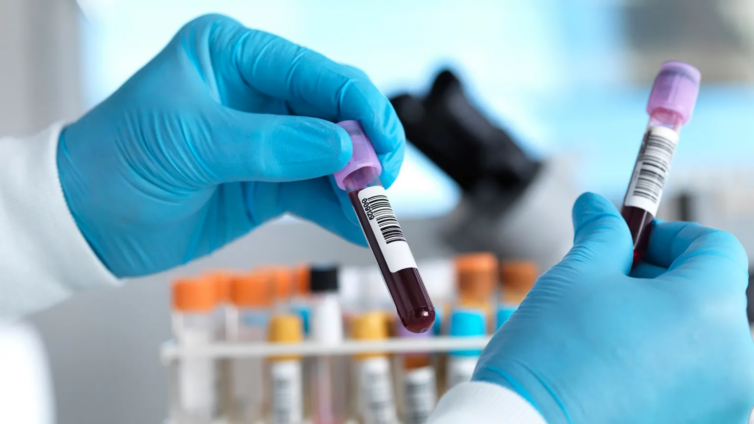
England is on track to become one of the first countries in the world to eliminate hepatitis C, a dangerous virus that attacks the liver, according to figures.
The target of treating 80% of all known cases has already been met, and deaths from the virus have fallen by 36% in the last decade, just short of what is needed by 2030.
Taking antiviral tablets for 8 to 12 weeks can cure more than 95% of cases.
Initiatives including A&E blood tests, GP registration testing and free at-home tests have helped to find people who were previously undiagnosed, says NHS England.
Silent disease
Hepatitis C is spread through contact with blood infected with the virus, such as by sharing needles with someone who has it.
Donor blood is already screened for it.
It is a silent disease, meaning people often have no symptoms until much later.
Untreated, it can cause serious and potentially life-threatening liver damage.
NHS England says that since 2015, more than 100,000 people have been diagnosed and treated for hepatitis C, meaning the country is already meeting that target.
Another goal - a 65% reduction in hepatitis C-related mortality compared with 2015 levels - has yet to be met, but might be before the 2030 target date.
Around 50,200 adults are living with hepatitis C, figures for England in 2024 suggest.
Estimates indicate 84.6% of those living with hepatitis C have been diagnosed - just short of the 90% target.
The Hepatitis C Trust says England is "on the cusp" of one of the most significant public health achievements in our country's history.
Prof Frankie Swords, NHS national medical director, added: "England is now leading the world in the mission to eliminate this disease and on course to beat the WHO's 2030 target, but we are determined to keep up the momentum and finish the job.
"We are committed to finding and treating everyone who needs support and would urge those at greater risk to come forward by ordering a free and confidential home-testing kit online."
Adults born in Ukraine, Romania, Estonia, Latvia, Poland, Albania, Lithuania, Bulgaria, Czechia or Slovakia are particularly urged to test, as some may have been infected through medical or dental procedures before 1991.
People can order a free, confidential NHS home self-testing kit without needing to speak to a GP.
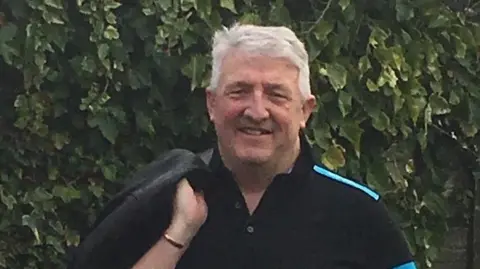
Paul Eatwell, 65, was diagnosed after a routine blood test.
The grandfather from Blackburn, Lancashire, said: "My first reaction was disbelief. I remember saying: 'Are you sure? Surely there's been some mistake.'
"I didn't feel ill. I kept wondering how I could possibly have caught it."
He says the medical support he received made a huge difference.
While it has not been established how Eatwell caught the virus, it has been suggested that surgery in South Africa decades ago may have been the cause.
Latest Stories
-
Glut! Farmers count losses as prices crash, customers happy
15 minutes -
GSA postpones auction of unserviceable vehicles
18 minutes -
Man charged with attempted murder after stabbing
21 minutes -
World Cup visa scandal: Senyo Hosi says issue goes beyond calls for Sports Minister’s resignation
22 minutes -
Yaw Ampofo Ankrah hasn’t taken or received any money to facilitate visas – Lawyer insists
41 minutes -
World Cup visa scandal: Senyo Hosi urges focus on constitutional accountability
41 minutes -
La Beach demolition: Senyo Hosi condemns lack of consultation
52 minutes -
Russian glide bomb attack on Zaporizhzhia kills at least 15 people
1 hour -
Jinapor warns underperforming energy sector CEOs of consequences, says no protection for failure
1 hour -
Fire destroys head of tipper truck on Lower Volta Bridge
1 hour -
Palmer signs new Chelsea contract until 2034
1 hour -
World Cup visa scandal: Mahama will act on corruption allegations – Abass Nurudeen
1 hour -
Abass Nurudeen accuses Minority of ‘scandal scavenging’ over World Cup visa controversy
1 hour -
US Embassy recognised NSA, GFA and GTA as separate entities for visa applications – Sports Minister’s aide
1 hour -
Only 30% of Ghanaian teachers satisfied with their jobs – CAPCOE data reveals
2 hours