

Audio By Carbonatix
Walk into almost any classroom in the world today, and you are likely to hear more than one language. This is not unusual; it is the reality of modern education. Renowned linguist François Grosjean estimates that between half and three-quarters of the world’s population speaks two or more languages. In an increasingly interconnected world, bilingualism and multilingualism are no longer optional skills for a few people. They are becoming essential competencies for life, work and learning.
It is therefore not surprising that many countries are expanding their language policies by introducing additional international and regional languages into their school curricula. Their goal is simple: to prepare young people for a world where opportunities in education, business, technology, diplomacy and innovation increasingly transcend national borders. Speaking more than one language is no longer just about communication; it is about opening doors to new possibilities.
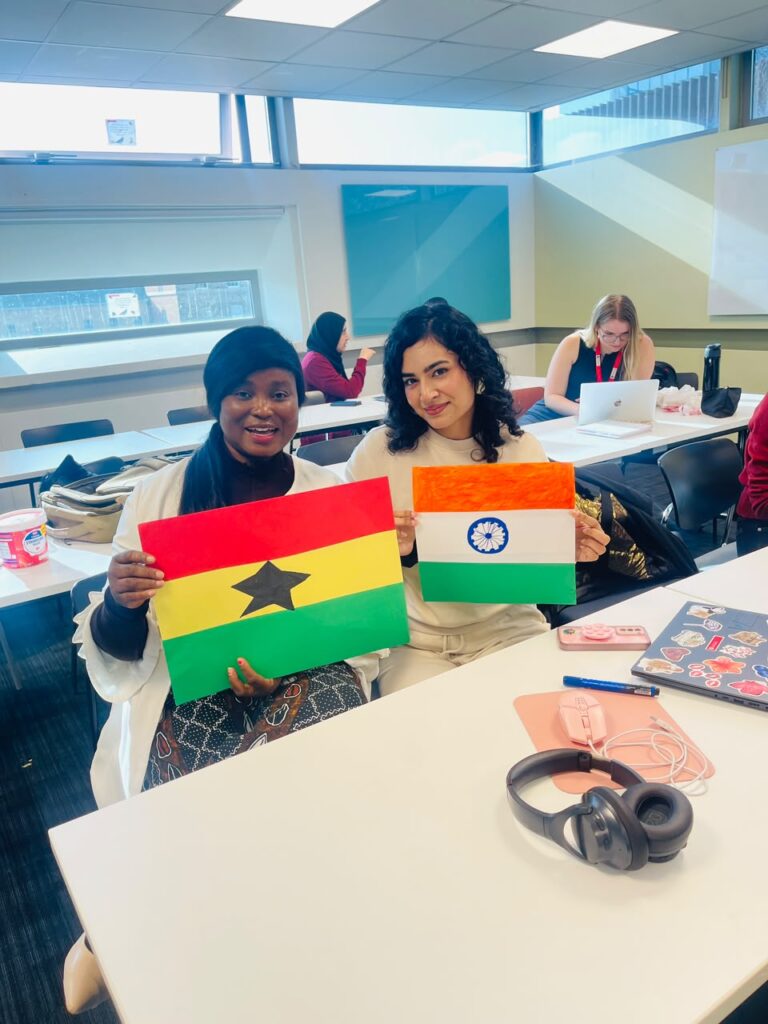
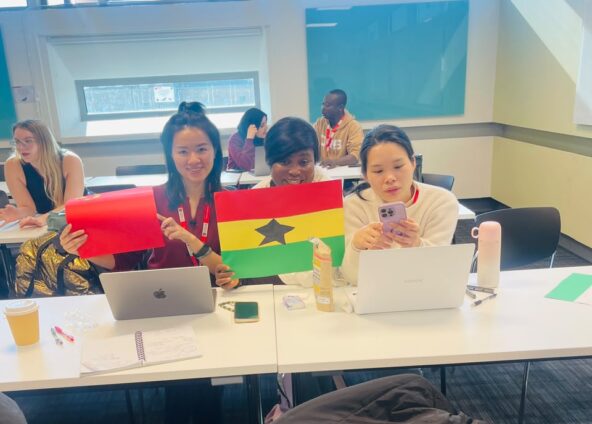
Research has consistently shown that learning additional languages does not require learners to abandon their first language. On the contrary, a strong foundation in one’s mother tongue supports cognitive development and makes learning other languages easier. In education, languages should not compete with one another. They should work together to deepen understanding and broaden learners’ perspectives.
Teachers understand this reality every day in their classrooms. One practical strategy often used is code-switching—moving purposefully between languages to explain difficult concepts or clarify meaning. When used appropriately, this is not a sign of poor teaching. It is good pedagogy. It allows learners to connect new ideas with what they already know, making learning more meaningful and inclusive.
As more countries embrace bilingual and multilingual education, there is an important lesson that should not be overlooked. Introducing another language into a curriculum is often the easiest part. Implementing it successfully is the real challenge.
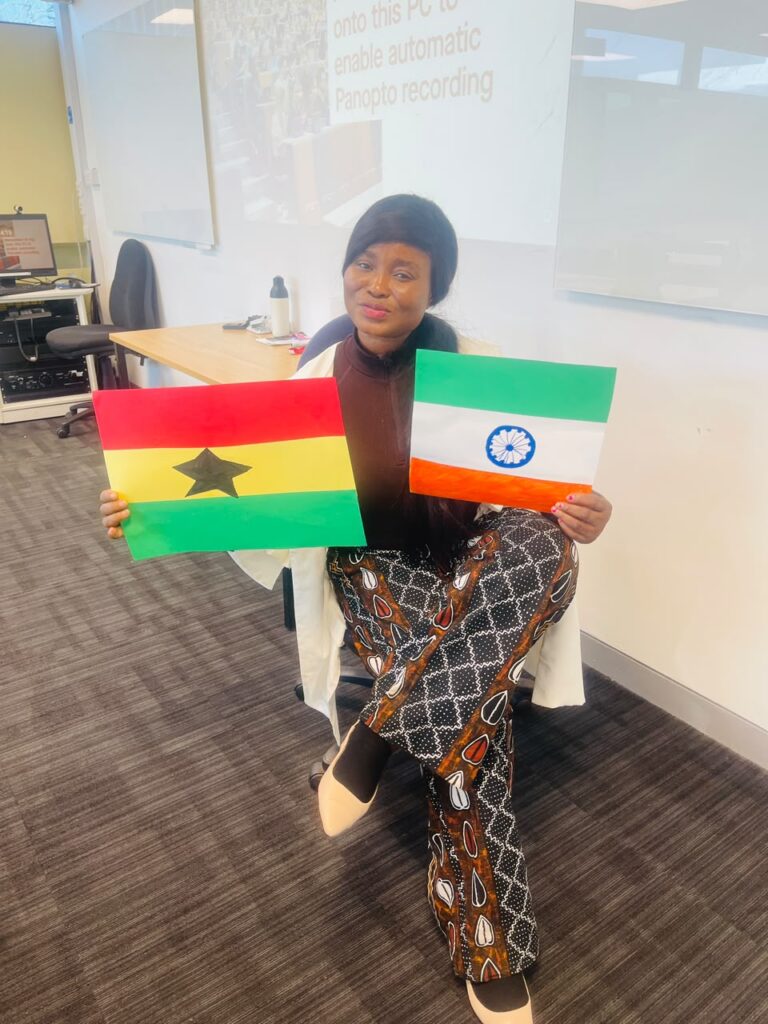
This is where Ghana must pay close attention. If we decide to expand opportunities for learners to study additional international languages, we must avoid treating it as another policy initiative that looks impressive on paper but struggles in practice. Every successful language reform depends on much more than curriculum documents. It requires teachers who are well prepared, classrooms equipped with appropriate teaching and learning materials, continuous professional development, effective supervision and sustained investment in implementation.
Too often, educational reforms begin with enthusiasm but lose momentum because the systems needed to support teachers are overlooked. A language policy, no matter how visionary, cannot succeed if teachers are expected to implement it without adequate training or the necessary resources. Educational change happens in classrooms, not in policy documents.
The global movement towards multilingual education presents an opportunity for Ghana to strengthen its education system while preparing learners for an increasingly interconnected world. However, our focus should not simply be on adopting another international language. Our greater responsibility is to ensure that any language introduced into our curriculum is implemented thoughtfully, adequately resourced and supported from the classroom to the national level.
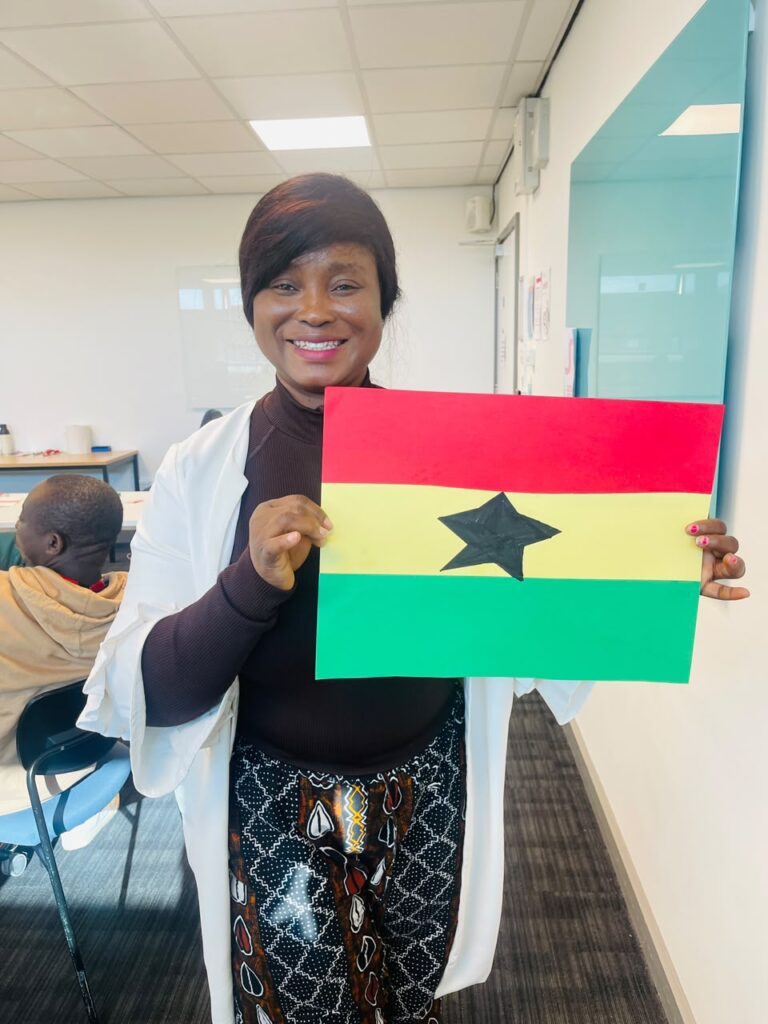
Ultimately, the success of multilingual education will not be measured by the number of languages listed in our curriculum. It will be measured by whether teachers are empowered to teach them effectively and whether learners are given the opportunity to use them confidently and meaningfully. In education, implementation—not policy adoption—is what transforms good intentions into lasting impact.
********
Authored by: Faith Aku Dzakpasu
Ghana’s Most Outstanding Teacher 2023
Top 50 finalist Global Teacher Prize
Team Lead of The Rebranded Teacher Initiative
Latest Stories
-
BoG encourages banks to list on GSE to unlock long-term capital
1 minute -
NSMQ 2026: Nandom SHS complete stunning comeback, edge Ghana SHS by a point to reach one-eighth stage
3 minutes -
NPP must heal and rebuild after 2024 defeat to win 2028 election – Former Volta Regional Organiser of the NPP
19 minutes -
Egypt to host Africa’s premier business forum
22 minutes -
The bicycle principle: why continuity matters more than balance
30 minutes -
Fire guts three-storey building near Manhyia Palace in Kumasi
37 minutes -
Bank of Africa Ghana appoints Ellis Erasmus Katwebaze as Deputy Managing Director
37 minutes -
Adamus Resources challenges revocation of mining leases, says it was not notified of breaches
47 minutes -
Mineworkers petition Finance Minister over GH¢380m locked-up funds, threaten strikes
48 minutes -
Mental Health Authority takes steps to shut down illegal Kumasi spiritual centre housing 2,000 patients
1 hour -
NSMQ 2026: St. Hubert Sem edge Bright SHS in three-point thriller to book one-eighth spot
1 hour -
Association of Medical Councils of Africa to host 28th annual conference at Mövenpick Ambassador Hotel
1 hour -
ECG’s GH¢200m upgrade spending must translate into reliable power – IES
1 hour -
Ablekuma North MP supports 500 SHS freshmen with back-to-school items
1 hour -
Dentsu School of Influence opens Ghana applications for aspiring content creators
1 hour