

Audio By Carbonatix
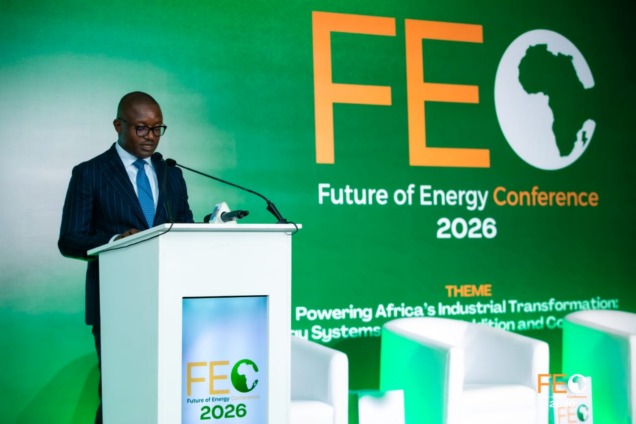
Ghana is targeting universal access to electricity by 2030, with the country’s electricity access rate now approaching 90 percent, Energy and Green Transition Minister John Abdulai Jinapor has announced.
The Minister said the government had recently connected an additional 200 communities to the national grid as part of efforts to close the remaining gap and extend electricity to communities still without access.
“Ghana currently has about 90% access to electricity. We just connected 200 more communities, and we are working to close the remaining gap by 2030,” Mr Jinapor said.
He was speaking at the Future of Energy Conference, where he outlined Ghana’s electricity ambitions and the need to ensure that increased access translates into reliable and affordable power.
“Our vision is that by 2030, we should achieve universal access to electricity here in Ghana,” he stated.
Mr Jinapor, however, stressed that Ghana’s electricity target should not be measured only by the number of people connected to the national grid.
He said the quality, reliability and cost of electricity would be equally important as the country seeks to expand industrial activity and create jobs.
“What kind of electricity are we providing and at what cost? With what reliability, and can it power competitive African industries?” he asked.
According to the Minister, Ghana’s industrialisation agenda will require a power supply capable of supporting businesses and industries consistently and at competitive prices.
The government is therefore seeking to address the remaining access gap while also strengthening the wider power sector.
Mr Jinapor also pointed to emerging sources of electricity demand, including the growing adoption of electric vehicles.
He said Ghana would have to strengthen its electricity infrastructure to accommodate changing consumption patterns without placing additional pressure on supply to households and businesses.
This will require investment not only in generation but also in transmission and distribution infrastructure, alongside renewable energy and energy storage systems.
The Minister's comments come as Ghana continues efforts to expand electricity access while dealing with the broader challenge of ensuring a stable power supply to support economic activity.
With about four years remaining to the 2030 target, the government faces the dual task of connecting the communities that remain without electricity and ensuring that the power supplied is reliable and affordable enough to support Ghana’s industrialisation ambitions.
Latest Stories
-
Thousands of children receive free specialist care at Asafo-Boakye Specialist hospital fair
4 minutes -
Independent voices must be part of gold programme probe – Dr Rasheed Draman
14 minutes -
ACEPA backs full probe of Domestic Gold Purchase Programme from inception
19 minutes -
KNUST Statutes update sparks fresh debate as staff challenge official narrative
33 minutes -
NUTE must strengthen 49 colleges, not become another public university – Eduwatch
52 minutes -
Awal Mohammed files for Nasara Organiser, vows to rebuild NPP Nasara structures ahead of 2028
1 hour -
IERPP demands answers as GoldBod reports disappear from website
1 hour -
Country music legend Dolly Parton dies
1 hour -
Kwaku Antwi-Boasiako writes: UK’s £39bn social housebuilding programme – Any lessons for Ghana?
1 hour -
Ghana targets 1,200MW new thermal power capacity by 2029 – Jinapor
1 hour -
Ghana targets universal electricity access by 2030 as coverage nears 90%
2 hours -
Titus-Glover files nomination to contest NPP National Organiser position
2 hours -
NPP women’s organiser aspirant pledges 30% female representation
2 hours -
GIPA explains key changes to Ghana’s investment regime to prospective investors in Atlanta
2 hours -
Ghana targets 1,200MW new thermal capacity by 2029 – Jinapor
2 hours