

Audio By Carbonatix
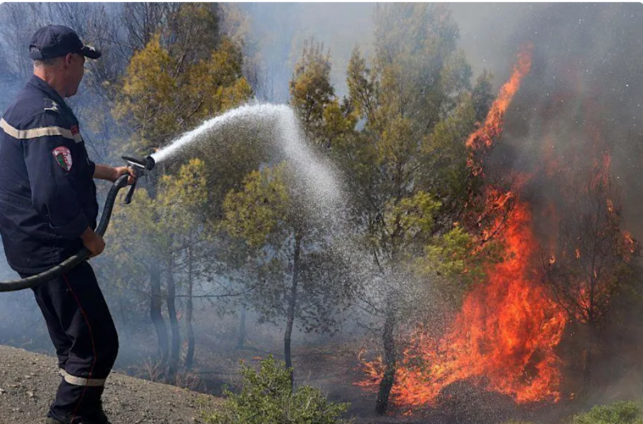
At least 12 people have been killed and 54 others injured as a wave of aggressive wildfires tore through northern Algeria's coastline, prompting a devastating crisis for local communities. Civil protection teams and emergency responders have mobilised across multiple provinces to combat the flames while evacuating vulnerable residents from the path of destruction.
The Human Toll And Regional Impact
Interior Minister Said Sayoud confirmed that the fatalities occurred across three distinct provinces as blazes overwhelmed local defences. "Five deaths were recorded in the prefecture of Jijel, four in that of Bejaia and three in that of Tizi Ouzou," he stated. Beyond the fatalities, authorities reported that 54 individuals sustained burn injuries or suffered from severe smoke inhalation, with at least six patients currently receiving critical care in intensive care units. Local media footage captured harrowing scenes of residents seeking refuge inside a regional post office as dense clouds of smoke enveloped the streets of Jijel.
Emergency Operations And Containment Efforts
Government leadership moved swiftly to the disaster zones to coordinate relief efforts and evaluate medical infrastructure. Minister Sayoud travelled alongside the Algerian Health Minister Mohamed Seddik Ait Messaoudene to assess local firefighting and evacuation procedures, visiting a hospital in the city of Souk El Thenine in Bejaia.
Civil protection authorities recorded an overwhelming 154 fire outbreaks nationwide in a single day, forcing the evacuation of numerous families from threatened residential neighborhoods. Firefighters successfully brought dozens of blazes under control in provinces including Skikda, El Tarf, Bouira, Tizi Ouzou, and Tebessa, though active hotspots continued to burn across multiple municipalities in Bejaia and Jijel.
Climate Change And Summer Fire Risks
The catastrophe unfolds as a punishing heatwave grips North Africa, severely impacting both Algeria and neighboring Tunisia. While seasonal forest fires regularly threaten Algeria during the dry summer months, scientists note that climate change has drastically escalated the frequency and intensity of these disasters.
The World Meteorological Organisation reports that North Africa has experienced the fastest warming rate among African subregions, recording a temperature increase of 0.43 degrees Celsius per decade between 1991 and 2025. These rising temperatures, combined with severe water shortages and prolonged drought conditions, continue to amplify the environmental vulnerability of the Mediterranean coastline.
Latest Stories
-
Collapsed glacier likely caused deadly Nepal-Tibet floods, scientists say
3 minutes -
The Cyrus Lesson: Why Ghana must look beyond religion in choosing its next leader
9 minutes -
I have no problem with public tribunals; they’re constitutional – Anthony Forson
19 minutes -
GRA boss supports mothers’ hostel, donates pickup to Upper Denkyira East Police
26 minutes -
NSMQ 2026: St. John’s School beat Benkum SHS, Nandom SHS to secure quarter-finals spot
33 minutes -
Minifootball Association of Ghana unveils women’s national team ahead of inaugural AFCON
34 minutes -
Appointments Committee recommends approval of three Supreme Court nominees
34 minutes -
NSMQ 2026: St. Hubert Minor Sem. reclaims lost seed, sends Mawuli School packing to book quarter-final spot
35 minutes -
Beyond “what do you bring to the table?”: Rethinking what partners bring to relationships
37 minutes -
NSMQ 2026: Mfantsiman Girls’ back in the quarter-finals after 10 years, snatches spot from St. James
39 minutes -
Education Ministry to amend law to restore faith-based representation on GES Council
43 minutes -
Teacher unions demand automatic salary placement for newly promoted teachers
44 minutes -
Asawase fire: NADMO stops victims from rebuilding burnt homes
45 minutes -
SYPALA 2026: ‘Anti-corruption without enforcement is meaningless’ — Senanu
1 hour -
ICT, afternoon court sittings can help clear case backlog – Supreme Court nominee
1 hour