

Audio By Carbonatix
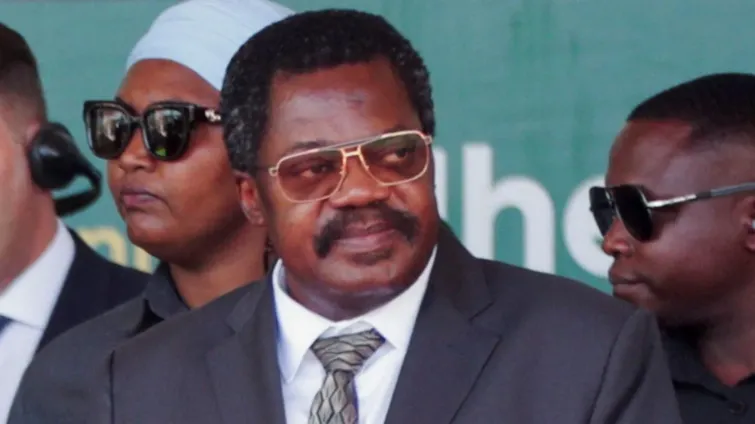
Tanzania's ruling party has expelled the country's vice president just days after his historic resignation. This rapid escalation tests the democratic credentials and political stability of the East African nation. Analysts view the ouster as a stark indicator of deep fractures within the dominant political establishment.
Party Disciplines Resigning Official
The Chama Cha Mapinduzi party took decisive disciplinary action against Emmanuel Nchimbi. Leaders announced his expulsion due to alleged indiscipline following his sudden decision to leave office. He served for ten months before making his exit. Observers note this marks an unprecedented moment in the modern history of the country.
Controversial Statements Spark Friction
The fifty-four-year-old official recently made public remarks that drew intense scrutiny. He urged citizens to "fight for a new constitution". Observers interpreted this call as a direct challenge to the administration. This stance signalled major political fallout with President Samia Suluhu Hassan. He also shared his brief resignation letter on his Instagram account on Tuesday morning. He stated that he would retire from public life because he had "become convinced, without doubt, that the president wants changes". He noted his departure would take effect at the end of next week, adding that he would remain "a good citizen".
Contested Election and Deadly Unrest
The political crisis traces back to the disputed presidential vote held last October. The incumbent administration secured a landslide victory in an election boycotted by major opposition groups. The main opposition faction, Chadema, had demanded electoral reforms prior to participation. Post-election demonstrations met with a severe state response. Human rights organizations accused security forces of utilizing excessive force. An official inquiry later revealed that at least five hundred people died during the unrest. The head of the investigative commission reported that the actual death toll was likely higher. He explained that many families buried relatives without registering the bodies at morgues. The inquiry recommended investigating the use of firearms after witnesses reported troops shooting people inside homes.
Succession Plans and Institutional Control
The ruling party quickly moved to fill the vacant seat. Officials nominated Energy Minister Deogratius Ndejembi to assume the role. Parliament must now approve his nomination. The ruling party has maintained continuous power since independence from Britain in 1961. The organisation remains deeply intertwined with state apparatuses and security institutions. Past transitions followed predictable patterns under the dominant political framework. The sudden departure of a sitting deputy leader shatters the traditional image of internal harmony. Observers wait to see if the administration can restore confidence amid rising public dissent.
Balancing institutional continuity with genuine political reform remains the central challenge for Tanzania as leadership navigates this unprecedented transition.
Latest Stories
-
Aboboyaa Company Ltd CEO donates 5 tricycles to Ghana Prisons Service
10 minutes -
National Cathedral: ‘There’s no clarity as to what they want to use the site for’ – Afenyo-Markin on site’s future
12 minutes -
Investigators meet family, community over deaths of 3 children found in car trunk
13 minutes -
Teachers have legitimate concerns, but prolonged strike will affect pupils – Joseph Kumah
19 minutes -
Ahafo NHIA Beats 2025 Target to Secure Second Year of Universal Health Coverage
19 minutes -
Innovative Teachers threatens legal action over exclusion from Collective Bargaining Agreement negotiations
36 minutes -
17-member committee formed to address concerns over Adipa landfill
39 minutes -
Team Volta wins NPA 2026 Staff Welfare Week Quiz
52 minutes -
Team Eternity Ghana releases new album “The Promise – Phase 1”
56 minutes -
Inside the human genome: Why scientists are still discovering who we are
59 minutes -
PAC grills Central Regional Coordinating Council over GH¢14.9m payments processed outside GIFMIS
1 hour -
Ghana’s industrial dream at risk? How the Yuan policy could deepen China dependence
1 hour -
Teachers’ strike: Government has funds, but processes are causing delays – Education Committee Vice Chair
1 hour -
Afenyo-Markin urges Christian Council to intervene over arrests linked to free speech
1 hour -
GCB Bank urges MSMEs to formalise businesses for easier access to finance
1 hour