

Audio By Carbonatix
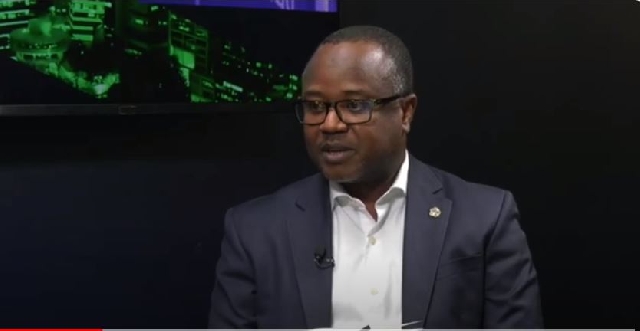
A former First Deputy Governor of the Bank of Ghana has stated that given Ghana’s long history of International Monetary Fund-supported arrangements, observed surveillance shortfalls may also reflect limitations in programme design and the translation of diagnostic findings into binding reforms.
According to him, over the past two decades, several gaps have appeared recurrent.
He disclosed this in his paper titled ““How not to Miss a Crisis: Lessons from Ghana”.
He explained that IMF programmes could not consistently address institutional manifestations of deeper political-economy drivers of debt accumulation.
This include electoral competition and patronage-related spending pressures where rollover and liquidity risks were at times underweighted; stress-testing of domestic debt and its interaction with the banking system was limited; coverage of the wider public-sector balance sheet (including SOEs [State-Owned Enterprises], guarantees, and other contingent liabilities) remained incomplete; and the sovereign–bank “doom loop” was not always assessed in a comprehensive, integrated manner.
According to him, these gaps point to a broader methodological question: whether Ghana was appropriately treated as a Lower Income Country-DSF case throughout the period, given its level of market access and the evolving structure of its debt.
In particular, he said, the framework’s limited ability to quantify rollover, liquidity, and currency-related risks may have contributed to underestimation of the probability of rapid market closure—risks that became acute as investor confidence deteriorated following rating actions, including Moody’s downgrade in February 2022.
The former Mission Chief at the IMF continued that although macroeconomic surveillance did not completely ignore Ghana’s rising vulnerabilities, three limitations stand out.
First, the Debt Sustainability Analysis baseline paths tended to be optimistic, assuming sustained fiscal consolidation driven by domestic revenue mobilisation, which was mostly missed and robust growth while giving insufficient weight to plausible downside scenarios.
Second, the analysis did not fully internalise domestic-debt dynamics and fiscal–financial feedback effects, leading to an under-appreciation of rollover, liquidity, and banking-sector channels.
Third, IMF-supported programme design often prioritized near-term consolidation over reforms that address the structural drivers of recurrent debt accumulation—particularly in energy pricing, SOE governance, and tax policy and administration.
He concluded saying, a recurring critique of Ghana’s engagement with the IMF is that programme conditionality has historically favored fiscal consolidation over comprehensive structural reform.
Latest Stories
-
Northshore Apparel factory creates 3,000 jobs, targets 10,000 at full capacity
25 minutes -
Agalga assumes office as Majority Leader, pledges consensus building
30 minutes -
GEXIM shifts lending focus to high-impact businesses – CEO
31 minutes -
Northshore Apparel Hub positions Ghana for global garment market – GEXIM CEO
35 minutes -
Northshore Apparel Hub to strengthen Ghana’s garment and apparel exports – GEXIM CEO
37 minutes -
Ashanti Region introduces virtual labour ward as 92% of KATH maternal deaths involve referrals
43 minutes -
NSMQ 2026: Bright SHS stuns GSTS, snatches seed to book quarter-final spot
44 minutes -
Media freedom must be matched with responsibility – Bagbin
45 minutes -
Photos: Mahama cuts sod for seven-storey car park, commercial complex at Accra International Airport
47 minutes -
Burkina Faso’s SONABEL begins 2026 Bagré Dam spillway discharge
47 minutes -
KATH records 30% drop in maternal deaths for first time in a decade
51 minutes -
Every leader must leave a lasting legacy – Gomoa Fetteh Chief
54 minutes -
UG expands distance learning, online programmes to widen access to higher education
56 minutes -
MMFL unleashes foreign coaching firepower for JoySports Invitational
58 minutes -
NPRA urges Ghana’s informal sector workers to enrol on Tier-3 pension scheme
60 minutes