

Audio By Carbonatix
The Ghana Health Service (GHS) has called for stronger health systems, effective patient navigation and improved primary healthcare services to ensure safe and continuous care for persons living with noncommunicable diseases (NCDs).
The Deputy Director-General of the GHS, Dr Caroline Amissah Reindorf, said patient safety must go beyond a single hospital visit and cover the entire continuum of care, particularly for people living with chronic conditions such as diabetes, hypertension and cancer.
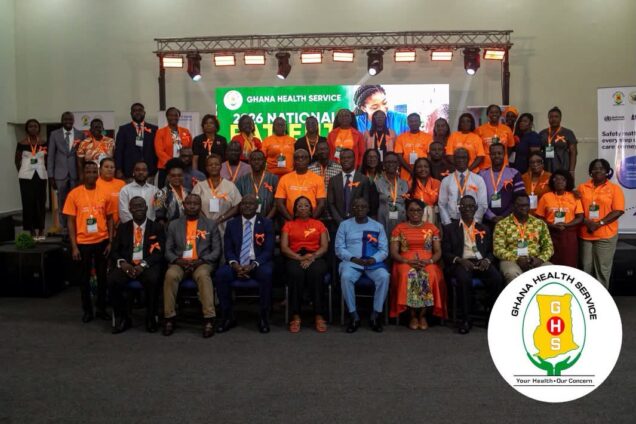
She made the call at the commemoration of the 2026 National Patient Safety Day, organised by the GHS in Accra, on the theme: “Safe Care for Noncommunicable Diseases.”
Dr Reindorf said people living with NCDs often require care for many years, making proper medication, regular check-ups, follow-up and effective referral systems critical to their safety.
She described patient navigation as a potential “game-changer” under the Government's free primary healthcare initiative, saying it could help patients navigate health facilities and access appropriate services without unnecessary delays.
“Sometimes, who to even ask where to proceed from. It's not that you were not told. You've been told. You are educated. You can read and write. But when you are in that stressful situation, when you have entered a place that you are not familiar with, what would be best than to have someone smiling and ready to support you,” she said.
She said gaps in referral systems could result in patients repeating their medical histories several times, while some referred patients failed to report at receiving facilities.
Dr Reindorf urged health facilities to examine whether their systems adequately supported patients throughout the referral process and provided feedback on whether patients had successfully accessed care.
She also emphasized that safe care went beyond prescribing medicines to ensuring that patients could obtain them and understood how to use them.
The Deputy Director-General said Ghana had identified gaps in some health facilities, including challenges with infection prevention, clean water, sanitation and other basic services, and urged stakeholders to work continuously to address them.
She said expanding primary healthcare could help detect diseases such as hypertension and diabetes early and ensure timely referral and treatment before complications develop.
WHO Country Representative, Dr Fiona Braka, said patient safety was central to achieving better health outcomes for people living with NCDs, including cardiovascular diseases, cancer, diabetes, chronic respiratory diseases and mental health conditions.
She said NCDs accounted for a significant proportion of premature deaths and disability globally, while their increasing burden in Africa was placing additional demands on health systems.
Dr Braka said people living with NCDs often required lifelong care, creating multiple opportunities for preventable harm, including delayed diagnosis, medication errors and fragmented care.
She said WHO estimated that one in every 10 patients experienced harm during healthcare globally, with nearly half of such harm being preventable.
“Safe care is not only the responsibility of health workers; it is a shared responsibility requiring strong systems, informed patients, accountable institutions, and sustained leadership,” she said.
Director of the Institutional Care Division of the GHS, Dr Lawrence Ofori Boadu, said September 17 was observed globally as World Patient Safety Day and Ghana had, for the past eight years, used the occasion to assess the safety and quality of healthcare delivery.
He said this year's focus on NCDs was important as Ghana strengthened primary healthcare and promoted screening and early detection.
Dr Ofori Boadu urged the public to regularly check their health status and seek early care when health problems were identified.
“Never walk around when you don't know your health status. Check yourself,” he said.
The speakers called for sustained collaboration among policymakers, health workers, patients, communities, development partners and other stakeholders to make safe, effective, timely and respectful care for NCDs a reality in Ghana.
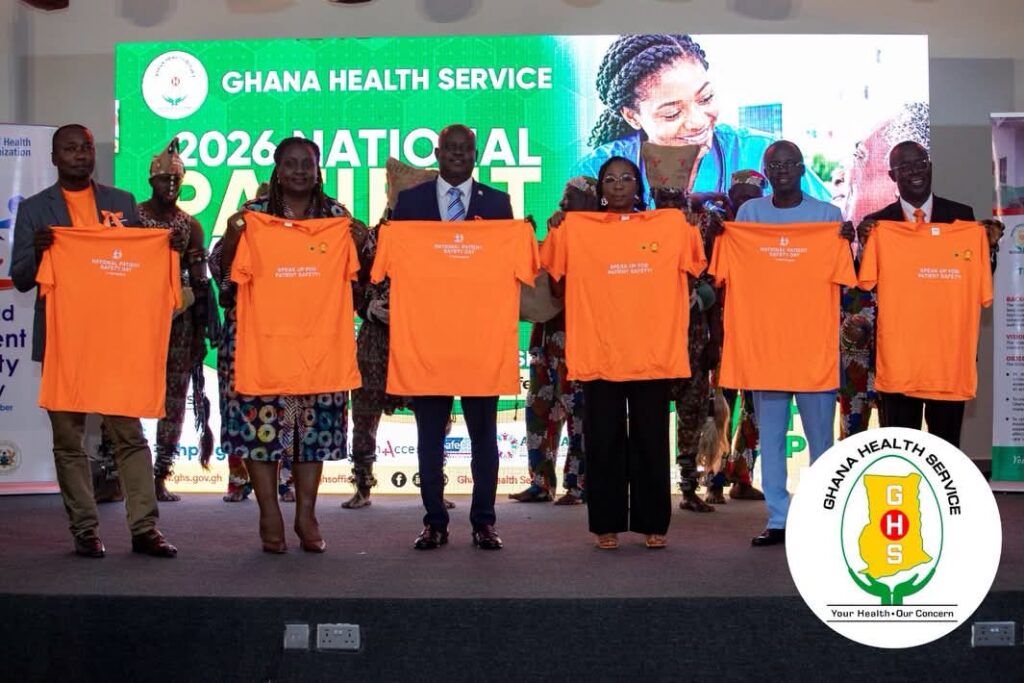
The event also saw the launch of the orange colour for the celebration.
Latest Stories
-
Lekzy DeComic to feature four generations of comedians on upcoming show
38 minutes -
Nigeria wins arbitration as Sunrise’s $400 million hydropower claim dismissed
45 minutes -
Xhaka under investigation over Covid-19 certificate
56 minutes -
FAW chief questions Infantino’s Fifa reform claims
1 hour -
La Liga chief dismisses Real’s ref conspiracy claims
1 hour -
GMA rejects claims its vessel monitoring system is ineffective
1 hour -
I was close to joining Liverpool in 2016 – Mbappe
2 hours -
Ministry of Sports and Recreation holds national validation workshop on National Sports Policy Draft
2 hours -
‘Do you want me to be happy with this poor performance?’ – Bono East Minister fumes over Kintampo market project with less than 1% work done
2 hours -
London screening honours Nkrumah and 103 years of Ghana cinema
2 hours -
Founder’s Day: Is Nkrumah’s glory fading? – Nkrumah’s iconic fountain at Circle runs dry
2 hours -
GHS calls for stronger systems to ensure safe care for NCD patients
2 hours -
Kufuor calls for Africa’s resources and youthful population to be transformed into opportunities
2 hours -
Mahama administration not clamping down on free speech – Shamima Muslim
2 hours -
Ghana TVET Service, UNESCO, KPMG, Microsoft to train 100,000 facilitators in AI
2 hours