

Audio By Carbonatix
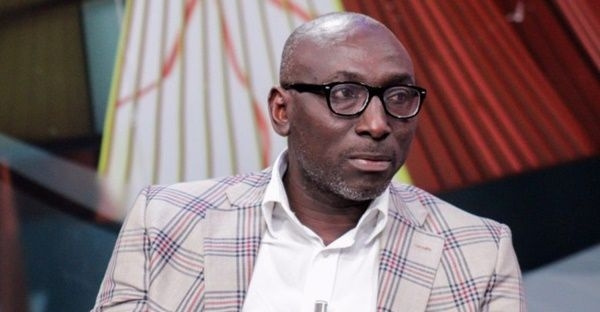
The Acting Director-General of the National Road Safety Authority (NRSA), Abraham Amaliba, has warned that the growing occupation of pavements by hawkers is putting pedestrians at risk and contributing to road crashes.
Speaking on JoyNews' The Pulse on Friday, January 23, Mr Amaliba said the situation has forced pedestrians off walkways and onto busy roads, where they are compelled to compete with vehicles for space.
“Because traders have taken over the pavements, pedestrians are now forced to compete with drivers on the road, and this will normally lead to crashes,” Mr Amaliba said.
He explained that district and metropolitan assemblies are the first point of call in addressing the problem, particularly within central business districts where pedestrian traffic is heavy.
“The district assemblies are the first point of call when it comes to ensuring that the CBD is cleared of hawkers and traders,” he stated, stressing that pavements must be preserved strictly for pedestrian use.
Mr Amaliba, however, criticised the approach adopted by some assemblies in carrying out decongestion exercises, describing them as unsustainable.
“I have seen some metropolitan assemblies trying to do that, but they are doing it in such a way that it is not sustainable. They clear the people and when they go back, the hawkers also come back,” he said.
He noted that the lack of coordination among key institutions has made it difficult to achieve lasting results, and called for structured collaboration between the National Roads Authority and the metropolitan and district assemblies.
“What we should be doing is to have meetings to coordinate and collaborate between the National Roads Authority and the assemblies to bring permanency to the exercise,” he explained.
He added that such collaboration would ensure that pavements are left for pedestrians and help reduce preventable road accidents.
“And once that is done, we can ensure that the pavements are left for the use of pedestrians,” he added.
Mr Amaliba further disclosed that he intends to take the issue seriously by formally engaging metropolitan assemblies, especially in major cities.
“I am going to take this seriously and write to the metropolitan assemblies, particularly in the big cities, so that we can have that collaboration and bring some sanity to our roads,” he said.
Latest Stories
-
ActionAid Ghana calls for an end to child marriage, greater investment in girls’ rights
4 minutes -
Newsfile to tackle World Cup visa scandal, beach demolitions, education strikes, BRICS bid
27 minutes -
UK-Ghana Trade & Investment Summit: Trade Resource Centre to help businesses maximise UK-Ghana trade opportunities
42 minutes -
Embassy of Denmark celebrates World Maritime Day
49 minutes -
Linking LEAP to productive inclusion could cut extreme poverty by 2030 – UNICEF
2 hours -
Trade Ministry backs use of creative arts to rehabilitate prison inmates
2 hours -
Negotiations with government to continue despite strike suspension – GNAT
2 hours -
‘Ghana cannot afford to waste public resources; every cedi has a job’ – Ato Forson
2 hours -
Ghana expects economic boost as World Assemblies of God Congress brings 10,000 delegates to Accra
2 hours -
Joy in Nayilifong as Farouk Aliu Mahama donates 100kVA transformer to improve power supply
3 hours -
Chief Justice urges employers to tackle mental health stigma in workplaces
3 hours -
Analysis: Ghana’s yellow fever numbers reveal a gap between vaccination and protection
4 hours -
Education Ministry welcomes suspension of teachers’ strike
4 hours -
Vice Chancellors Ghana appeal to striking university administrators to resume work
4 hours -
KNUST postpones 2026/2027 academic year reopening indefinitely amid GAUA strike
4 hours