

Audio By Carbonatix
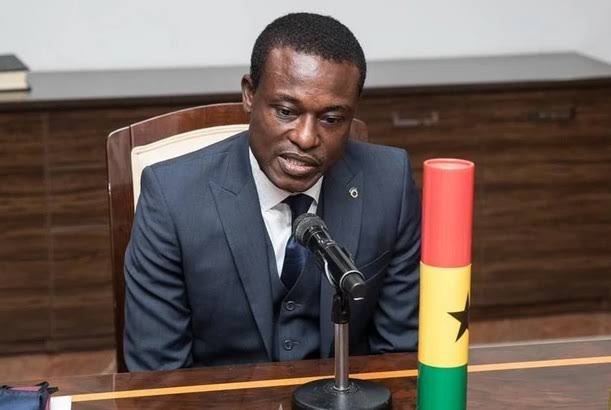
Special Prosecutor Kissi Agyebeng has warned that Ghana’s fight against corruption will continue to struggle unless anti-corruption institutions are given stronger constitutional and financial independence.
He said the Office of the Special Prosecutor (OSP), regardless of whatever form or name it may take in the future, must be entrenched in the Constitution to protect its independence.
Mr Agyebeng made the call during the second edition of the National Anti-Corruption Dialogue in Accra.
He acknowledged the government’s stated commitment to fighting corruption but said political will alone would not be enough to deliver lasting results.
“The government means well. We have seen it since January 2025 to today. However, as I said, we know what works and what doesn't work.”
According to him, the current statutory and financial arrangements governing anti-corruption institutions are among the key obstacles to their effectiveness.
“If we do not write into the Constitution the Office of the Special Prosecutor, however it is called, we are going nowhere.”
Mr Agyebeng also argued that anti-corruption institutions must be freed from financial constraints that could undermine their operations.
He said constitutional protection must be accompanied by a dedicated funding mechanism to guarantee the institutions greater financial independence.
“If you do not grant financial independence and untie these institutions from the budgetary restraints, we are going nowhere.”
The Special Prosecutor disclosed that proposals had been developed to establish a dedicated funding arrangement for anti-corruption institutions.
He said the proposed mechanism was before Parliament for consideration.
Mr Agyebeng said the reforms were part of broader efforts to review Ghana’s anti-corruption framework, adding that his office and the presidential team had examined systems in several countries to determine what structures could work effectively in Ghana.
He maintained that without reforms to both the legal framework and financing of anti-corruption institutions, efforts to combat corruption would remain limited despite the government’s intentions.
Latest Stories
-
Mahama’s proposed airline looks to South America, Caribbean as Ghana confronts mounting drug trafficking cases
6 minutes -
5% progress on Suame Interchange Phase One inadequate – Roads Minister tasks contractor to speed up work
9 minutes -
Photos: Vice President joins GAAS Awards to celebrate outstanding women leaders
10 minutes -
OSP vs Ken Ofori-Atta, SML and others: Court gives OSP four more weeks to serve Ofori-Atta with summons
11 minutes -
High Commission sends caution to Ghanaians in South Africa ahead of planned protests
14 minutes -
Okai Mintah outlines vision for NDC Youth Wing as he engages MMDCEs
20 minutes -
Mahama Ayariga leads renewed push for stronger local governance through partnerships
24 minutes -
NDC youth organiser aspirant Okai Mintah consults MMDCEs ahead of elections
24 minutes -
PHOTOS: Ayikuma Methodist Basic School wins National Juniors Challenge
27 minutes -
Silence has entered our homes : Salomey Awiti Bafoh and the chilling effect of free expression in Ghana
28 minutes -
UG Pro-VC calls for stronger research funding to curb brain drain
30 minutes -
Woman in critical condition after shooting at funeral grounds in Yeji
32 minutes -
Breast Cancer awareness must lead to action – Deputy Health Minister
34 minutes -
UK identified as leading destination for Ghana’s illicit cannabis exports – Report
36 minutes -
Drug money allegedly finances Ghana’s political parties and real estate – Global Organised Crime Index
41 minutes