


Audio By Carbonatix
The Pro-Vice-Chancellor for Academic and Student Affairs at the University of Ghana (UG), Prof. Gordon Akanzuwine Awandare, has called for stronger and sustained investment in science and research.
He warned warning that inadequate funding and weak research ecosystems are contributing to brain drain and limiting Africa’s capacity to undertake cutting-edge scientific research.
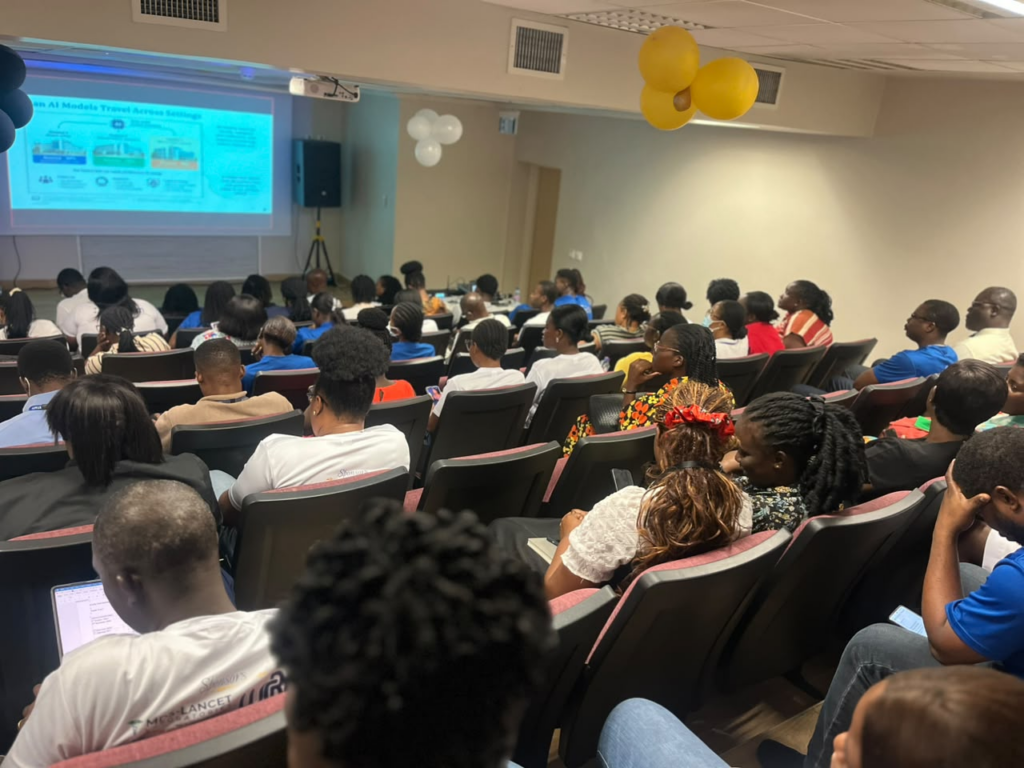
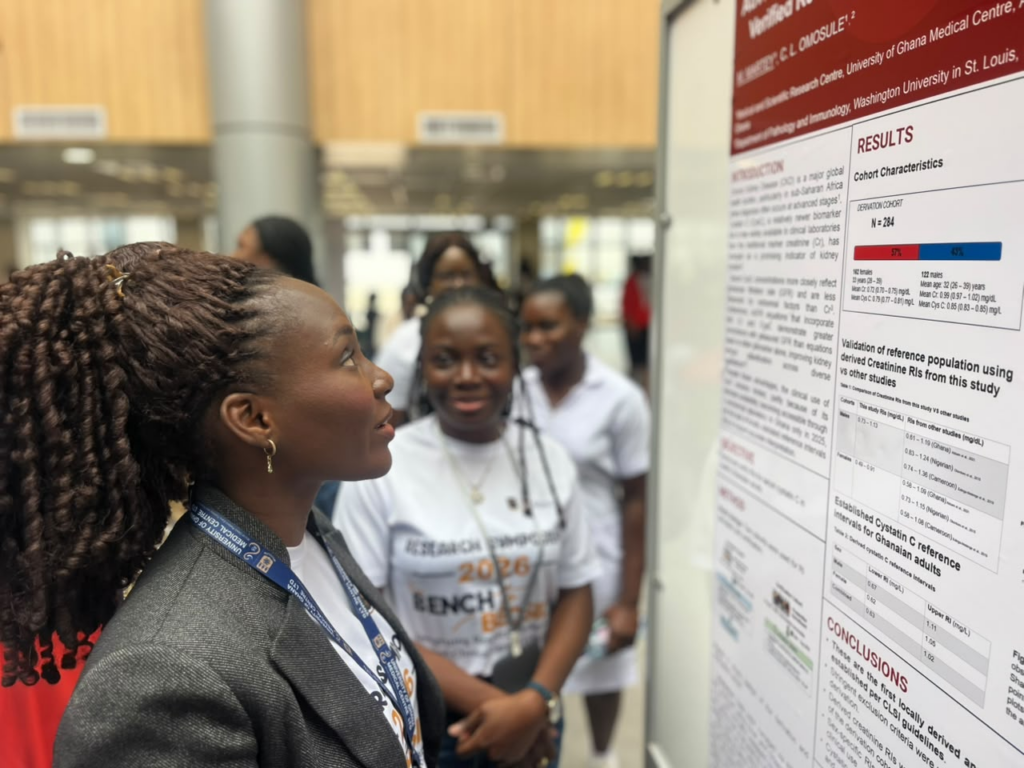
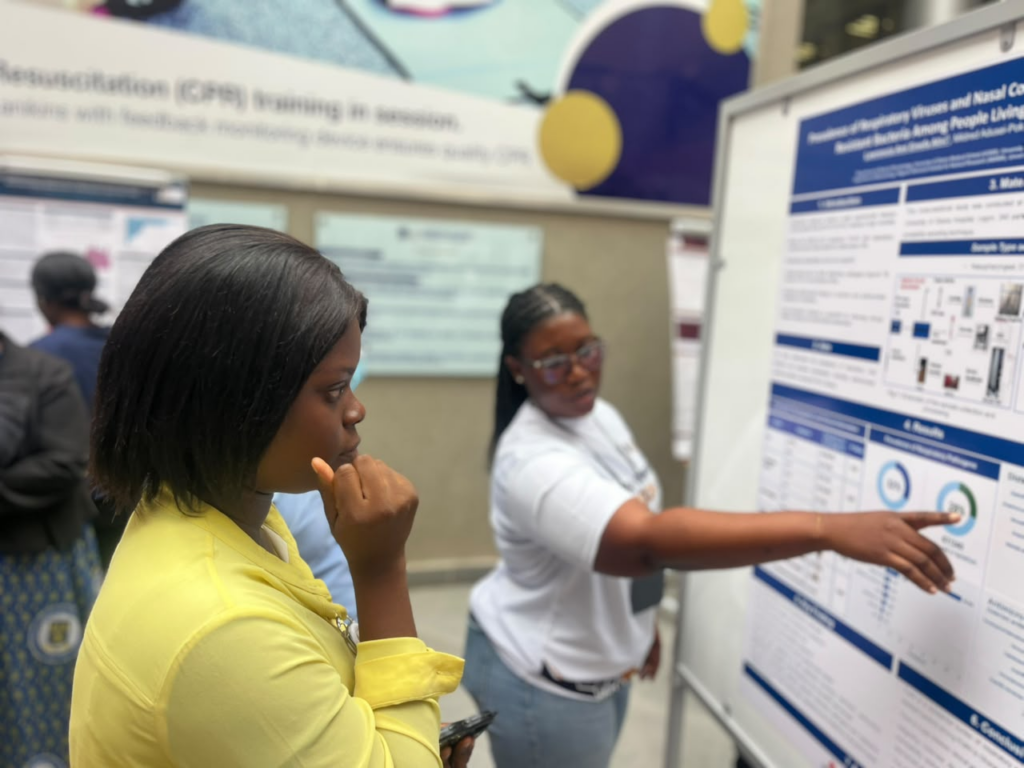
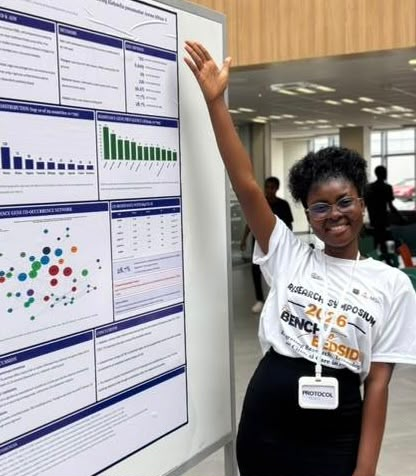
Prof. Awandare made the call on Tuesday, September 29, 2026, at the UGMC Research Symposium, held under the theme “From Bench to Bedside: Integrating Research, Technology, and Clinical Care in Ghana.”
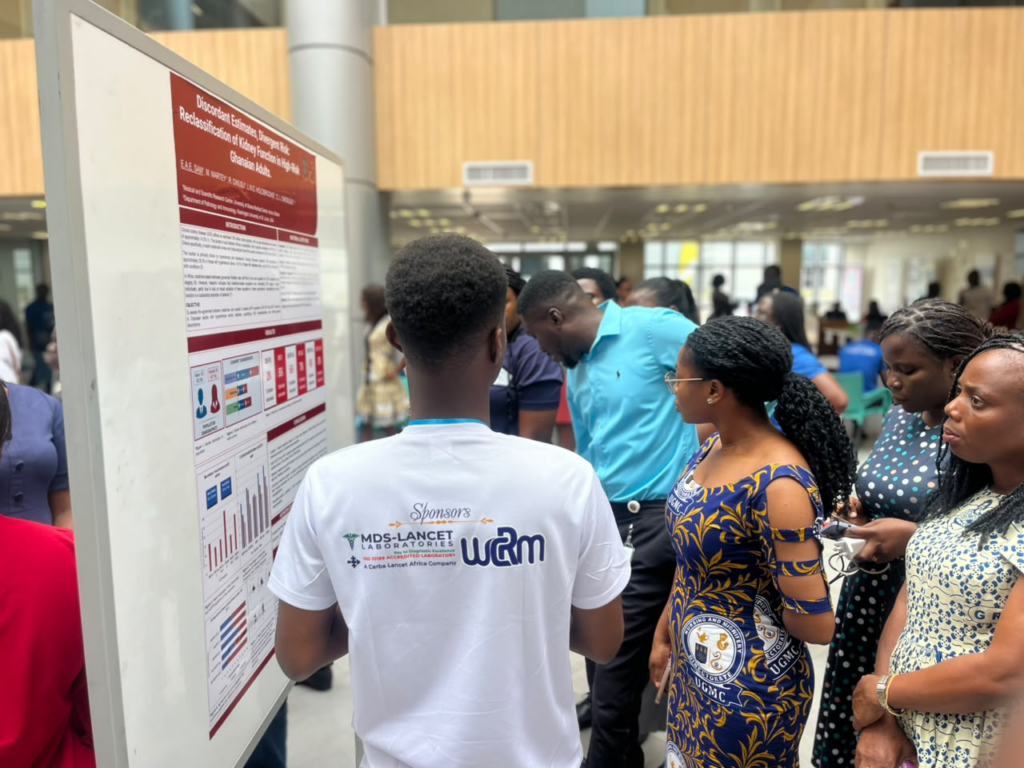
Prof. Awandare said African governments needed to demonstrate their commitment to science through actual budgetary allocations rather than speeches alone.
“Even though our leaders talked a lot about science and research, we should always look at the budgets they put out. See how much they actually put into science and research. The talk does not match the budget,” he said.
He linked inadequate investment in research to the loss of skilled professionals through brain drain, saying Africa had been deprived of some of its most valuable human resources.
He identified a weak research ecosystem and poor remuneration for scientists and researchers as among the factors contributing to the continued loss of intellectual talent.
Prof. Awandare said Africa’s ability to undertake cutting-edge discovery research had historically been constrained by the high cost of basic and fundamental research.
“Basic research is expensive. The equipment you need for basic research is expensive,” he said.
He contrasted such research with epidemiological studies, which can be conducted with comparatively fewer resources, and pointed to the expensive infrastructure required for drug discovery, genomics and other advanced scientific fields.
“If you want to do drug discovery work, you need an NMR machine, you need a mass spec, you need genome sequencing equipment,” he said.
According to him, the cost of such equipment can make governments reluctant to prioritise research infrastructure alongside more visible development projects.
He observed that scientific equipment and research facilities often do not provide the immediate political visibility associated with roads, hospitals and other physical infrastructure.
“Have you ever seen a politician say that, ‘I bought a sequencing machine for UGMC, so vote for me?’ No, they don’t campaign on those things, so no wonder they are not in the budget,” he said.
Prof. Awandare also called for changes in the structure of externally funded research, arguing that African scientists should have greater control over research agendas and funding.
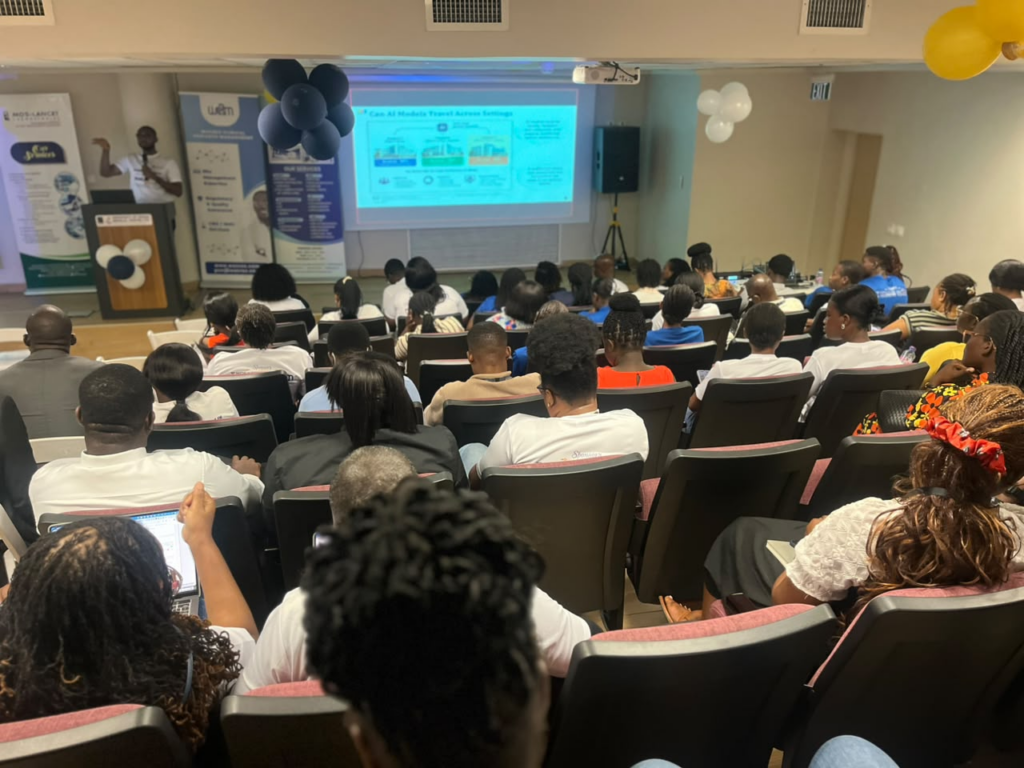
He said Africa had for years relied heavily on externally funded public health, health systems research and clinical trials, but argued that funding arrangements should increasingly support African-led discovery research.
“There needed to be a shifting paradigm where funds were given directly to African scientists, inspired by African ideas, and led by African scientists,” he said.
He criticised research arrangements in which foreign universities receive major grants and African institutions are primarily engaged in collecting samples or data for projects whose broader research leadership remains outside the continent.
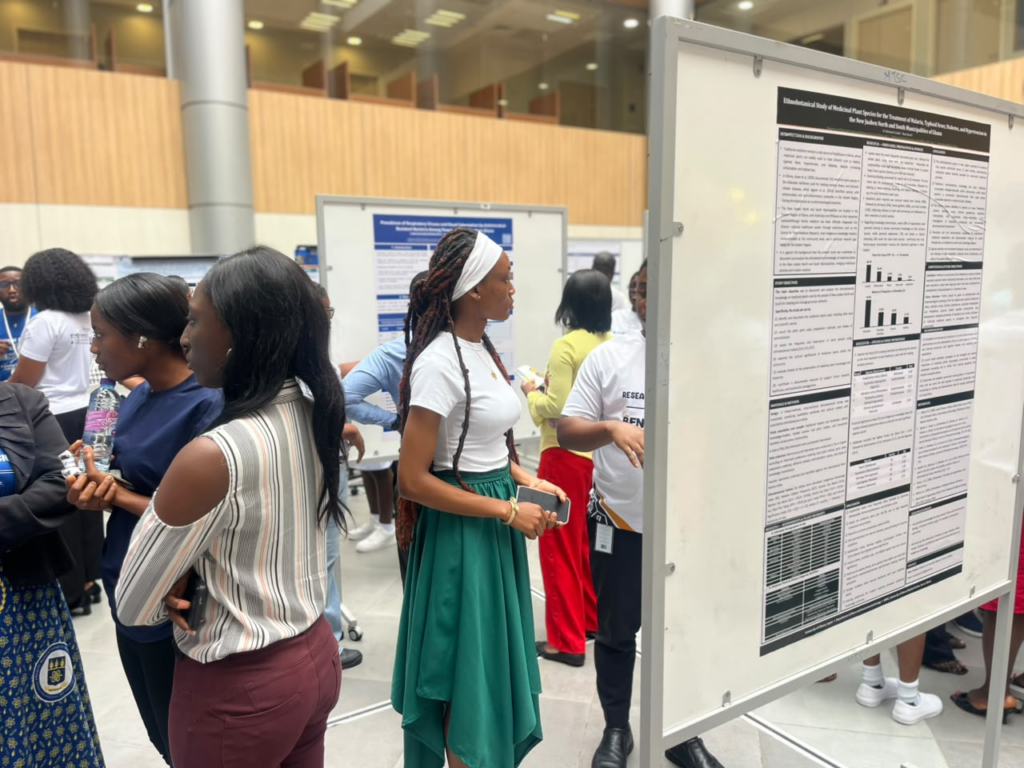
According to him, direct funding to African researchers and institutions enables universities to develop sustainable research capacity and ensures that research agendas are driven by challenges identified within African settings.
Prof. Awandare cited several international initiatives that, in his view, had contributed to strengthening research capacity on the continent.
Among them was the World Bank’s African Centres of Excellence initiative, which has supported centres across Africa through multiple phases. Publicly available research literature records more than US$500 million in World Bank investment across the programme’s phases, with funding structured through loans and involving participating African governments.
He also cited the Developing Excellence in Leadership, Training and Science in Africa (DELTAS Africa) initiative, which has specifically supported African-led health research and scientific leadership. Its first phase received US$100 million in support and funded 11 consortia across 54 institutions, while the second phase has a US$70 million commitment and supports 14 consortia.
Prof. Awandare further mentioned the Human Heredity and Health in Africa (H3Africa) initiative, which has received more than US$170 million from the US National Institutes of Health and the Wellcome Trust to strengthen genomics research and infrastructure on the continent.
He said programmes such as these had contributed to the establishment of sequencing facilities, bioinformatics expertise and high-performance computing capacity, while creating opportunities for African researchers to work with scientists in the diaspora.
Prof. Awandare said the academic medical centre model provided an opportunity to bring education, research, innovation and clinical care together in a single environment.
He noted that UGMC’s research function could benefit from the close relationship between researchers, clinicians and patients, allowing problems identified in healthcare settings to inform laboratory investigations and potential solutions.
“And this is because it’s a place where we can optimise our resources. We combine education, research and innovation in one place. We don’t have the luxury of separating those three components,” he said.
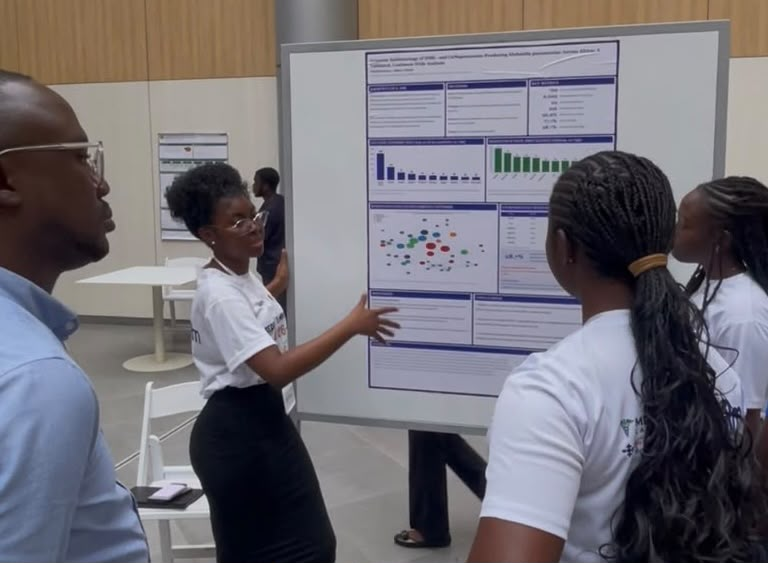
The symposium was organised by the Medical and Scientific Research Centre (MSRC) through the Research Training and Development Unit and the Office of External Engagement, with sponsorship from Lancet Laboratories Ghana Limited.
Latest Stories
-
Pilot may have sought to crash Israel-bound flight after stabbing other pilot, Netanyahu says
3 minutes -
Report flags potential money laundering, terrorist financing risks among Ghana’s NGOs
3 minutes -
Breast Cancer Awareness Month launched: 2,695 women die from breast cancer annually — Dr Ann-Dadzie
11 minutes -
Mahama’s proposed airline looks to South America, Caribbean as Ghana confronts mounting drug trafficking cases
26 minutes -
5% progress on Suame Interchange Phase One inadequate – Roads Minister tasks contractor to speed up work
29 minutes -
Photos: Vice President joins GAAS Awards to celebrate outstanding women leaders
30 minutes -
OSP vs Ken Ofori-Atta, SML and others: Court gives OSP four more weeks to serve Ofori-Atta with summons
31 minutes -
High Commission sends caution to Ghanaians in South Africa ahead of planned protests
34 minutes -
Okai Mintah outlines vision for NDC Youth Wing as he engages MMDCEs
40 minutes -
Mahama Ayariga leads renewed push for stronger local governance through partnerships
43 minutes -
NDC youth organiser aspirant Okai Mintah consults MMDCEs ahead of elections
44 minutes -
PHOTOS: Ayikuma Methodist Basic School wins National Juniors Challenge
47 minutes -
Silence has entered our homes : Salomey Awiti Bafoh and the chilling effect of free expression in Ghana
47 minutes -
UG Pro-VC calls for stronger research funding to curb brain drain
50 minutes -
Woman in critical condition after shooting at funeral grounds in Yeji
51 minutes