


Audio By Carbonatix
A purge of frozen sperm has been ordered in the Australian state of Queensland after an audit by its health watchdog found almost half of fertility samples were at risk of misidentification.
Such mix-ups can rob parents and donor children of key genetic information and medical records, and advocates say creates a danger of accidental incest.
Queensland is home to one of the country’s largest IVF industries, however, it is self-regulated and has come under scrutiny as some of its biggest providers face claims of malpractice.
The clean-out compounds a national shortage of donated sperm which has been driven by high demand, tightening regulations, and pandemic-related disruptions.
One in six Australian couples faces difficulty trying to start a family, government data shows, with many increasingly relying on donors to conceive.
An inquiry into the multi-million-dollar sector in Queensland by the state’s health ombudsman this week found “systemic issues” concerning “quality and safety” and “safeguards for consumers, donors and donor-conceived children”.
The report detailed how 42% of sperm donations, egg samples and embryos in Queensland had “ identification and traceability” issues - meaning clinics had lost track of or incorrectly labelled samples, or allowed them to deteriorate below laboratory standards.
It also aired allegations from patients who accused IVF providers of failing to disclose the medical conditions of donors, misidentifying eggs and embryos, and mixing up sperm - which one family said had resulted in them parenting children from different biological fathers.
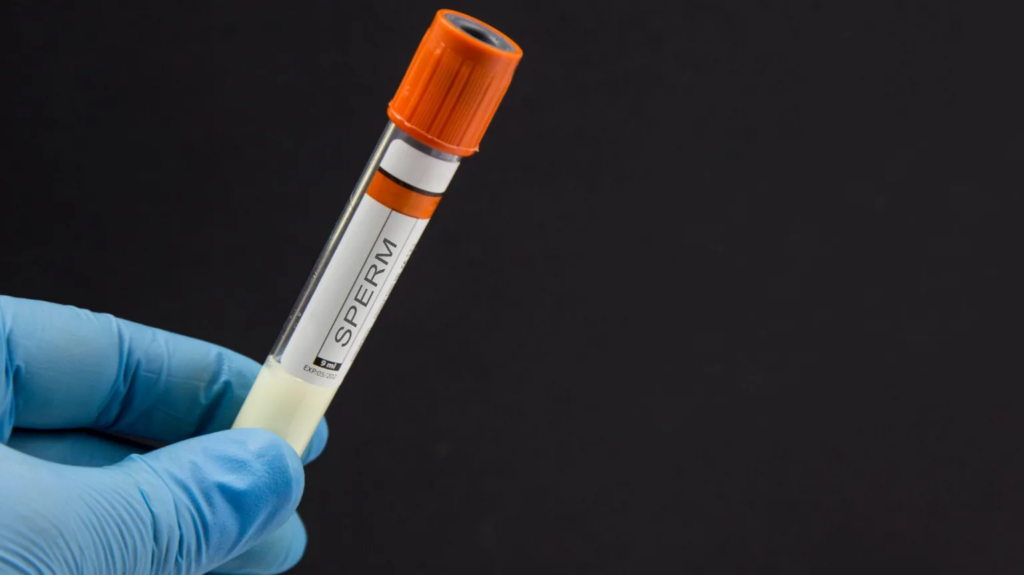
The body recommended that all fertility providers destroy stored donor material that does not meet current identification standards.
“The impact on consumers and the donor-conceived children... cannot be underestimated,” the report concluded, adding that “appropriate counselling should be offered” by fertility providers.
It is unclear how many sperm samples could be destroyed, but the ombudsman deemed "thousands" frozen before 2020 as "high risk” because they “did not comply with double witnessing” - a practice in which two IVF professionals check a patient’s material has been labelled correctly.
Anastasia Gunn - a mother suing one of Queensland’s fertility providers for allegedly providing her with the wrong sperm in 2014 - told the Guardian Australia she was “horrified [but] not surprised” by the ombudsman’s findings.
“It is scary to think how many patients may have unknowingly conceived with the wrong sperm.
“Why were the clinics not double-checking when they were making humans? The effects of these errors last for generations,” she added.
Latest Stories
-
Teacher unions strike: Gov’t presents fresh proposals as talks end inconclusively
16 minutes -
51,000 teachers’ promotion arrears to be validated for October payment – Education Minister
46 minutes -
Kwabena Boamah appointed Board Chair for Impact Investing Ghana
53 minutes -
Striking teacher unions to meet Fair Wages and Salaries Commission on October 6
1 hour -
EOCO working with AG to arraign Nana Baffour Awuah before weekend court
1 hour -
Duraplast reassures customers after fire, announces October 5 reopening
1 hour -
Call off strike, gov’t will not renege on promotion arrears pledge – Haruna Iddrisu appeals to teacher unions
1 hour -
Committee set up to validate teachers eligible for 20% deprived-area allowance – Education Minister
1 hour -
Five-member committee to search for new Black Stars coach after Sports Ministry-GFA meeting
2 hours -
Pinktober: Breast cancer survival exceeds 90% when detected early – Breast Society of Ghana
2 hours -
TCDA to adopt Upper West’s MATCO mango farm as northern prototype, issues warning against felling shea trees
2 hours -
‘Fear delegates’ tag: Afoko touts genuineness among delegates ahead of NPP delegates conference
2 hours -
John Boadu: The leader our party needs at this time – Amb. Edward Akwasi Boateng
2 hours -
Baffour Awuah: EOCO arrested, detained MP after hours of waiting, questioning – Afenyo-Markin
3 hours -
EOCO court warrant authorised search of Baffour Awuah’s law firm, not residence – Afenyo-Markin
3 hours