

Audio By Carbonatix
The music streaming industry has experienced unprecedented growth, particularly in Africa. In 2023 alone, the recorded music market surged by an impressive 24.7 percent, driven largely by the proliferation of streaming services.
South Africa leads the charge, accounting for a staggering 77 percent of regional revenues with a growth rate of 19.9 percent.
Meanwhile, Nigeria's vibrant music scene has carved out a niche on the global stage, generating around $39 billion and gaining international acclaim, bolstered by platforms like Audiomack and Boomplay that champion their local talent.
Contrastingly, Ghana's music industry, despite its rich cultural tapestry and burgeoning talent, faces significant hurdles. Lacking a dedicated streaming platform to fully support its artists, Ghanaian musicians often see only a fraction of their earnings from global streaming services mainly due to the distributors they use who are not in the position to give them prominence as most are at a low level of the music chain.
This disparity raises critical questions about the sustainability of the streaming model and its implications for artists across the country. As we delve deeper into the intricacies of this digital landscape, we must consider whether the current trajectory of music streaming truly benefits artists, or if it ultimately undermines the very industry it seeks to promote.
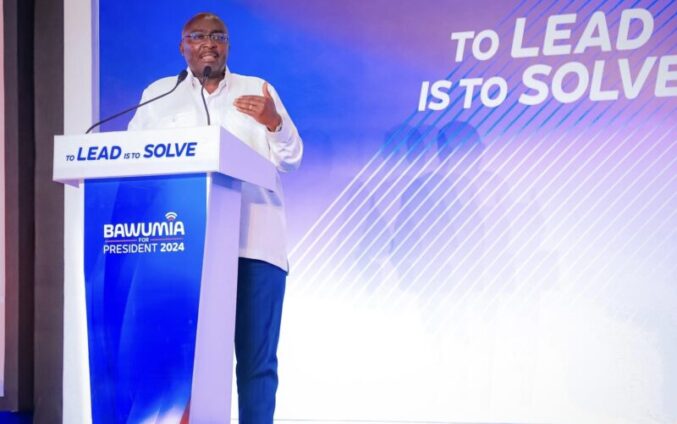
Building on these observations, the recent announcement by Ghana's Vice President, Dr. Mahamudu Bawumia, regarding the launch of a Ghanaian-owned streaming platform certainly seems promising. However, given the current landscape and existing challenges, this initiative risks coming across as the “whimsical promise of a desperate politician” – John Mahama.
Laudable but flawed
Bawumia’s initiative aims to rectify the existing imbalance in the music industry by offering a robust catalogue of local music and a reliable system for tracking royalties. This is a crucial step toward ensuring that Ghanaian artists can monetize their work effectively and receive a fair share of the revenue they generate. However, despite its promising framework, the new platform will encounter significant hurdles, particularly in monetization and user attraction within an increasingly competitive market.
Nigeria’s success in the music streaming arena has been driven by strong marketing strategies and a fiercely loyal fan base—factors that Ghana’s platform will need to replicate. For the initiative to truly resonate, it must foster community engagement and develop a unique identity that speaks to local audiences. While this proposal is undoubtedly one of the boldest commitments made during this election cycle, it raises an essential question: how many Ghanaians genuinely understand or actively use streaming services, and of those, how many have a taste for Ghanaian music? Without addressing these fundamental issues, the initiative risks becoming just another unfulfilled promise in a long line of political aspirations.
Why a streaming Platform won’t work now
Launching a locally built streaming platform in Ghana will undoubtedly come with a myriad of challenges that must be surmounted to achieve success. A primary hurdle is the availability and accessibility of a comprehensive music catalogue. Many top Ghanaian artists remain signed to major international distributors, which limits their control over their own catalogues. This dynamic has recently been exacerbated by reports of several intermediary artists selling their catalogues to the Chinese, further complicating local access to their music. Additionally, many artists with readily available catalogues struggle to cultivate a substantial fan base, which undermines potential user engagement on the platform.
Another significant challenge is the sophisticated algorithms employed by leading streaming services, which enhance user experience by suggesting songs tailored to individual tastes. For Ghana’s platform to compete, it will need to develop similar capabilities to ensure that users have a satisfying and personalized listening experience. Marketing efforts will also be crucial; potential users across the country must be reached with compelling patriotic messages that encourage them to support the platform. However, the cost of data remains a substantial barrier, as many Ghanaians may find streaming financially prohibitive. Finally, piracy poses the single biggest threat to the initiative, as unauthorized access to music could significantly diminish revenue and undermine the platform's viability.
Practical Steps to Ensure streaming thrives
For a streaming platform to thrive in Ghana, several practical steps must be implemented to ensure its success. First and foremost, the platform must offer both offline and online modes, allowing users to download content for later listening without the need for a constant internet connection. Data costs to access the platform should be heavily discounted or even free to encourage widespread adoption. Additionally, incorporating a digital download option alongside streaming is essential, with a robust digital rights management system in place to protect artists’ work. Current free download sites should either be completely shut down or provided with APIs that enable them to offer music for a fee.
To facilitate seamless transactions, the platform must support all available payment options in Ghana, including sales via USSD. Artists should be encouraged to debut their releases exclusively on this platform before making them available elsewhere, creating a compelling incentive for users. Moreover, data costs to established international platforms could be increased to discourage patronage in favor of the local service. To combat piracy, the platform should also provide mixes and albums for sale on USB drives at the same points where pirated music is commonly sold.
Importantly, the platform should not be limited to just the Google Play Store or App Store; it must have a set-top box version, a computer application, and a free radio service that allows users to listen.
A Cautious Optimism
The potential for a local streaming platform to revolutionize the Ghanaian music scene is undeniable. It could provide the necessary infrastructure for artists to thrive and, in turn, contribute to the nation’s economy. The next phase of Ghana’s music revolution could indeed be just around the corner, but it will require collaboration between the government, industry stakeholders, and the artists themselves.
While the prospect of a local music streaming platform is exciting, it is imperative to proceed with caution. Ensuring that taxpayer funds are utilized effectively will require strategic planning, community engagement, and a clear vision for the future. With the right approach, Ghana could turn taxes into tracks, creating a harmonious symphony of success for its artists and listeners alike.
About the author
With over 25 years of experience in the music industry, Richmond Adu-Poku adeptly integrates his expertise in writing, music, and entrepreneurship. He serves as the General Secretary of the Ghana Association of the Phonographic Industry (GAPI) and the CEO of Ghana Music Live. Richmond is also a sought-after consultant for key industry players, including MUSIGA. In addition to his creative roles, he works full-time as a business consultant.
Latest Stories
-
‘I don’t hire coaches, and I don’t fire coaches’ – Kofi Adams
28 minutes -
NPP sets up 31 voting centres to speed up national executive elections
57 minutes -
Demolition begins at La Pleasure Beach amid heavy security presence
1 hour -
Senyocue: Highlife will dominate global music in the next 20 years
1 hour -
Innovare Limited congratulates Ahantaman Community Bank PLC on ISO/IEC 27001:2022 certification urges others to follow suit
2 hours -
Today’s front pages: Friday, October 2, 2026
2 hours -
GPL 2026/27: Opoku Agyemang strike sends Kotoko third after Karela win
2 hours -
Government ‘cannot dissolve’ GFA – Sports Minister Kofi Adams
2 hours -
Baffour Awuah granted GH¢50m bail after EOCO detention
3 hours -
“Every genre we create doesn’t have to be ‘Afro’ something” – M.anifest
3 hours -
GMTF marks first anniversary with lifesaving equipment for 9 more hospitals
3 hours -
NAIMOS seizes 10 excavators in raid on illegal mining sites blocking River Pra’s flow
3 hours -
Pump prices may stay unchanged as government holds TOR, Sentuo prices
4 hours -
Akra Reads! 2026: Ladé Wosornu poetry contest expands to JHS
4 hours -
K9 dog sniffs out 72lbs of prohibited Ghanaian food items at JFK
4 hours