

Audio By Carbonatix
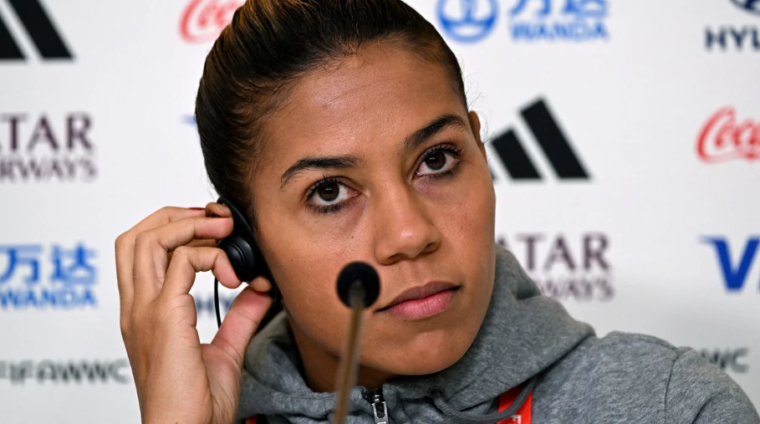
The BBC has apologised for an “inappropriate” question one of its reporters asked the captain of the Morocco women’s national team.
At a media conference ahead of Morocco’s Women’s World Cup opener against Germany, a reporter from the British news organization’s World Service asked Ghizlane Chebbak: “In Morocco, it’s illegal to have a gay relationship. Do you have any gay players in your squad and what’s life like for them in Morocco?”
The press conference moderator interjected, saying: “Sorry, this is a very political question, so we’ll just stick to questions relating to football.”
“No, it’s not political,” the journalist replied. “It’s about people, it’s got nothing to do with politics. Please let her answer the question.”
A BBC spokesperson told CNN: “We recognise that the question was inappropriate. We had no intention to cause any harm or distress.”
There was then one more question before the press conference was ended.
According to Human Rights Watch, “Moroccan law also criminalizes what it refers to as acts of ‘sexual deviancy’ between members of the same sex. Article 489 of the penal code punishes same-sex relations with prison terms of up to three years and fines of up to 1,000 dirhams ($91).”

The Athletic’s Steph Yang, who was in the room, said that “some members of the Moroccan media were audibly dismayed by the question.”
Shireen Ahmed, a reporter for CBC Sports who was also in the room, wrote that the reporter was “completely out of line.”
“Harm reduction matters and posing the question to the captain or coach was unnecessary,” she added.
“Asking a player about her teammates and whether they are gay and how it affects them when you know it is not permissible is bizarre and out of line. The captain cannot out players nor comment on policy bc [because] it could be dangerous for them, too,” Ahmed wrote.
“If reporting harms someone, it is not only unethical but dangerous.”
CNN has learned that a FIFA representative addressed the BBC journalist on site immediately after the press conference had ended.
The Moroccan Football Federation did not immediately respond to CNN’s request for comment.
Morocco began its 2023 Women’s World Cup campaign with a heavy 6-0 defeat by Germany on Monday.
World soccer governing body FIFA is allowing a variety of different armbands that highlight “a range of social causes” to be worn at the Women’s World Cup in Australia and New Zealand.
During the tournament, team captains are each allowed to wear an armband chosen from eight different social causes, including gender equality, inclusion and peace.
There is no explicit mention of LGBTQ rights in Women’s World Cup armbands, beyond the themes of “gender equality” and “inclusion.”
Latest Stories
-
Gender Ministry meets Nana Akua Addo’s husband over domestic violence after hospital discharge
29 minutes -
UG Vice-Chancellor urges swift operationalisation of National Research Fund
47 minutes -
Pope Leo to have surgery after lump found in lung
53 minutes -
Joseph Cudjoe writes: Ghana must break free from the dangerous mindset that natural resources are the foundation for wealth
1 hour -
Children among 109 dead after boat capsizes off Djibouti, UN says
1 hour -
OmniBSIC Bank’s 11th health walk promotes fitness and business growth
2 hours -
2026 World Maritime Day: Danish Embassy organises “The Gulf of Guinea Speaks”
2 hours -
New Economy will tackle unemployment and restore hope – Ato Forson
2 hours -
IMMILAC president recounts personal losses as security women lead breast cancer awareness campaign in Wa
2 hours -
University of Ghana postpones October 12 reopening as GAUA strike persists
2 hours -
Bahass Foundation launches vocational skills training to support mental health recovery in Wa
3 hours -
NPP orders parliamentary aspirants and their supporters to suspend campaign activities
3 hours -
Techiman unites against child marriage: Joy Impact Makers Awardee leads charge on International Day of the Girl Child
4 hours -
Ghana Psychological Association calls for greater involvement of people with lived experience in mental health care
5 hours -
Ablakwa says Ghana could evacuate more citizens from South Africa if the situation worsens
5 hours