


Audio By Carbonatix
The Musicians Union of Ghana (MUSIGA), established in 1975, set out with a noble mission: to promote and protect the interests of musicians across the nation.
With a membership base of around 4,500, it has seen leadership from notable figures such as E.T. Mensah, Jerry Hanson, Agya Koo Nimo, Kofi Ghanaba, Alhaji Sidiku Buari, and Diana Hopeson.
However, the union faced significant challenges in its early years—issues like lackluster membership engagement, insufficient funding, and minimal visibility.
Leadership changes often struggled to connect with younger generations of artists, leading to a sense of stagnation that left many feeling disenfranchised and questioning the union’s relevance.
Enter Obour: a young, ambitious artist who broke the mold by becoming the youngest president in MUSIGA's history at just 30 years old. His election was more than a mere change in leadership; it represented a fresh breeze in an organization that desperately needed revitalization.
Serving as president from 2011 to 2019, Obour ushered in what many now refer to as a renaissance—a period of transformation that, while unwritten in the annals of history, left an indelible mark on Ghana’s music landscape.
Milestones of the Obour Era
Under Obour's leadership, MUSIGA experienced a renaissance defined by impactful milestones that transformed the organization into a vital force within Ghana’s music industry. His tenure was marked by a newfound clout and visibility, effectively reshaping how the union engaged with its members and the wider public.
One of Obour’s standout initiatives was the Artiste Incubation Programme, affectionately dubbed The Future Project. This program provided mentorship and coaching for emerging talents, nurturing artists like Kidi, Kuami Eugene, King Promise, Cina Soul, Titi Owusu, and Feli Nuna—names that now resonate in the industry. By prioritizing the development of new talent, Obour ensured that the future of Ghanaian music was in capable hands.
Additionally, Obour partnered with Midland Savings and Loans to introduce a groundbreaking loan scheme. This initiative provided essential financial backing, allowing musicians to fund recordings, events, and other business ventures. Such financial support was instrumental in empowering artists to pursue their creative visions without financial constraints.
Recognizing the plight of aging musicians, Obour established the Ageing Musicians Welfare Fund (AMWef), which provided critical financial assistance for older artists struggling with healthcare and living expenses. To complement this effort, he initiated the Grand Ball—a prestigious fundraising event that brought together corporate Ghana and musicians to honor legends while raising funds for the welfare fund. This gala was always graced by the sitting President of Ghana, adding a layer of prestige to the occasion.
Obour's presidency also marked a significant shift in MUSIGA’s membership dynamics. He introduced modern membership categories and revamped the membership card system. This modernization made it easier for both emerging and established artists to join, resulting in a dramatic increase in membership that brought a vibrant array of A-list musicians into the fold.
By fostering an inclusive atmosphere, Obour cultivated a sense of community, encouraging collaboration and innovation among Ghanaian musicians.
Perhaps Obour’s most significant achievement was his relentless advocacy for financial support. He lobbied successfully for a government budget allocation, securing 2 million Ghana Cedis for MUSIGA. This funding was a game-changer, enabling the union to launch various programs and initiatives that benefited musicians nationwide. Among his initiatives were the Ghana Music Festival, MUSIGA TV, and "Music Plus" programming across multiple stations, ensuring that Ghanaian music was not just heard but celebrated on multiple platforms.

Moreover, Obour launched the Ghana Music Honors to recognize and celebrate the contributions of artists to the industry. He also secured funding to bolster organizations like GHAMRO and GAPI. He led a legal battle against GHAMRO, ultimately resulting in the dissolution of the management board and the establishment of a more effective one.
His vision extended to commissioning KPMG to assess the creative sector's contribution to Ghana's Gross Domestic Product (GDP), a report that paved the way for the formation of the Creative Arts Council, now at the forefront of advocating for the creative sector.
However, the distribution of these funds was not without controversy. Accusations of nepotism, mismanagement and misappropriation overshadowed the use of the funds. He faced opposition from within and without; while critics honed in on alleged corruption, financial malfeasance, improprieties and visa racketeering without evidence.
By 2019, after navigating a series of internal and external challenges, Obour made the decision to step down to pursue a career in politics. It was clear that the winds of change had shifted once more, leaving behind a legacy that continues to echo in the music community.
MUSIGA under Bessa Simons: The current landscape
Since Obour’s departure, MUSIGA has grappled with maintaining the momentum he created. It took four long years for the union to hold elections, and the new leadership has yet to fully embrace the initiatives and energy that characterized Obour's tenure. Many of the programs he championed have fallen by the wayside, leading to a sense of stagnation that has left both old and new members feeling disillusioned.
When elections finally occurred, fewer than 500 members were in good standing—an alarming contrast to the thriving community cultivated during Obour’s leadership. This election was largely facilitated by a split that resulted in the formation of a new union, Musicians’ Organisation Global (MUSIGLO).
The new administration has largely remained quiet, missing opportunities to capitalize on past achievements. Current policies may serve a small group, but they do not adequately address the broader needs of a union that once thrived on inclusivity and innovation. The challenges of today’s music industry demand a proactive approach—one that rekindles the spirit of collaboration and community that Obour instilled.
In an ever-evolving music landscape, MUSIGA must adapt and reclaim its position as a crucial force.
The call to action is clear: the current leadership must harness the legacy of the Obour era and reinvigorate the union for the betterment of all Ghanaian musicians.
The future is bright, but it requires collective effort to ensure that the melodies of Ghana continue to resonate across borders and generations.
About the author
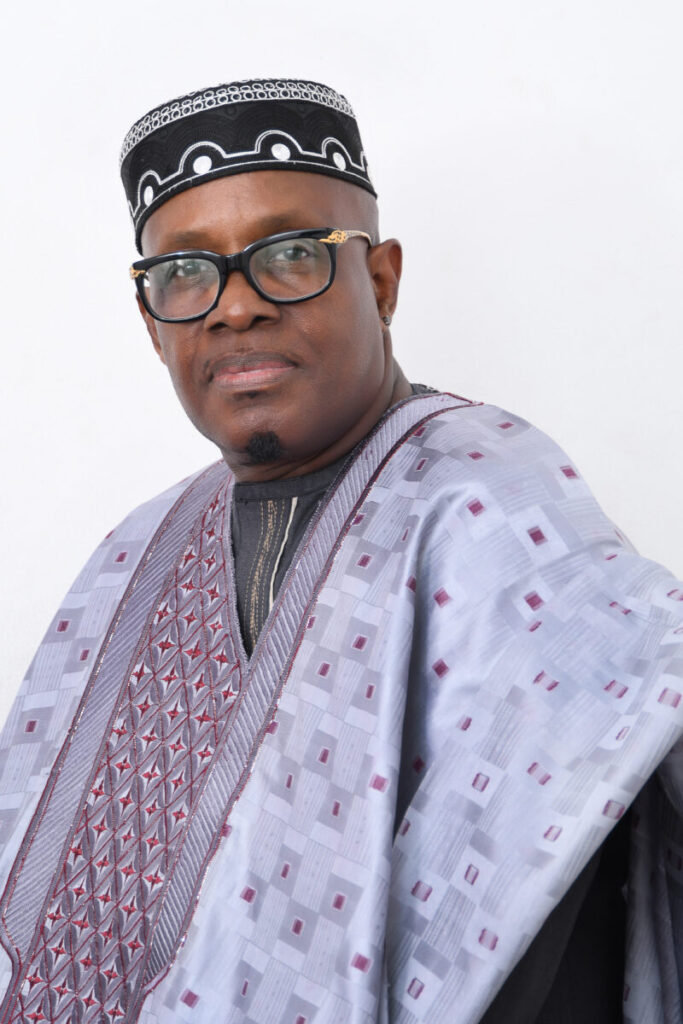
With over 25 years of experience in the music industry, Richmond Adu-Poku adeptly integrates his expertise in writing, music, and entrepreneurship. He serves as the General Secretary of the Ghana Association of the Phonographic Industry (GAPI) and the CEO of Ghana Music Live. Richmond is also a sought-after consultant for key industry players, including MUSIGA. In addition to his creative roles, he works full-time as a business consultant.
Latest Stories
-
Two-week strike will not derail academic calendar – GNAT President
5 minutes -
Headmaster detained after BBC investigation into alleged sexual abuse of students
15 minutes -
GNAT pushes for clear implementation procedures of teachers’ conditions of service
34 minutes -
Recurrent strikes threaten quality of education and academic calendars – Prof Bokpin
38 minutes -
‘Cockroach’ group leaders among hundreds detained in Delhi protest
41 minutes -
Don’t let speed of information become your judgement – CJ tells new lawyers
1 hour -
World Cup visa scandal: People have leveraged public office to facilitate fraud – Senyo Hosi
1 hour -
Glut! Farmers count losses as prices crash, customers happy
2 hours -
GSA postpones auction of unserviceable vehicles
2 hours -
Man charged with attempted murder after stabbing
2 hours -
World Cup visa scandal: Senyo Hosi says issue goes beyond calls for Sports Minister’s resignation
2 hours -
Yaw Ampofo Ankrah hasn’t taken or received any money to facilitate visas – Lawyer insists
2 hours -
World Cup visa scandal: Senyo Hosi urges focus on constitutional accountability
2 hours -
La Beach demolition: Senyo Hosi condemns lack of consultation
3 hours -
Russian glide bomb attack on Zaporizhzhia kills at least 15 people
3 hours