

Audio By Carbonatix
The cocoa industry is a cornerstone of Ghana’s economy, supporting the livelihoods of millions and contributing significantly to national revenue.
Yet, behind the rich aroma of cocoa lies a reality of persistent gender inequalities that continue to hinder progress, particularly for women in the sector.
From limited access to land and credit to exclusion from decision-making roles, women who form a significant portion of the cocoa workforce often face systemic barriers that limit their full participation and potential.

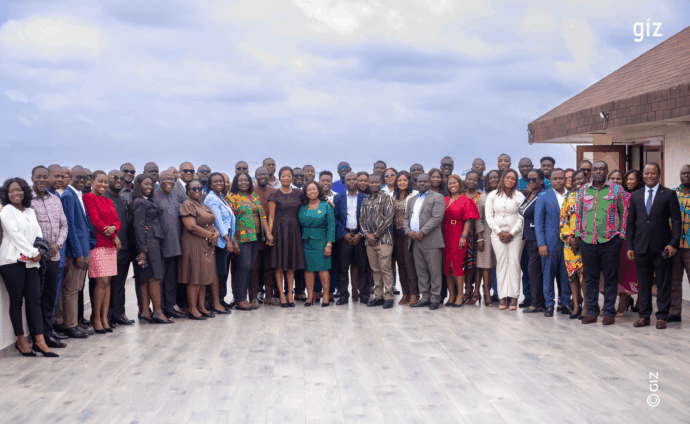
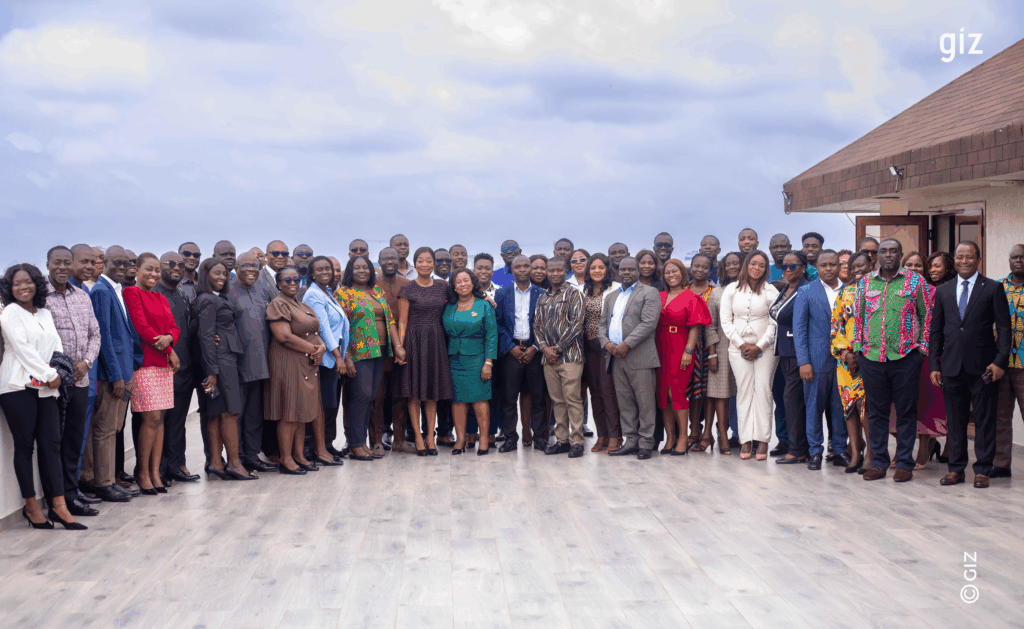
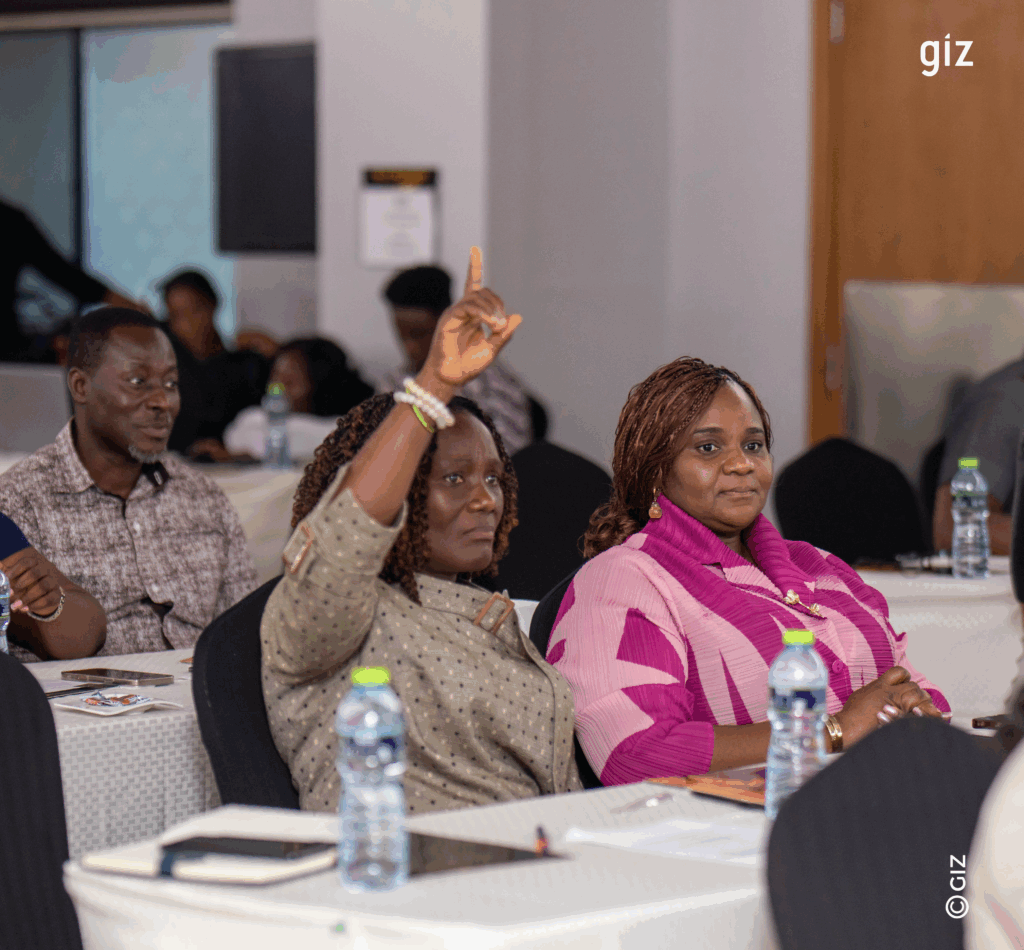
Recognising that sustainable development cannot be achieved without gender equality, the GIZ - Sustainable Cocoa Programme, in partnership with the Gender Desk of the Ghana Cocoa Board (COCOBOD), is taking decisive steps to address these disparities. In view of this, an intensive three-day training on gender mainstreaming for directors and managers of COCOBOD has been successfully organised in Accra, Ghana.
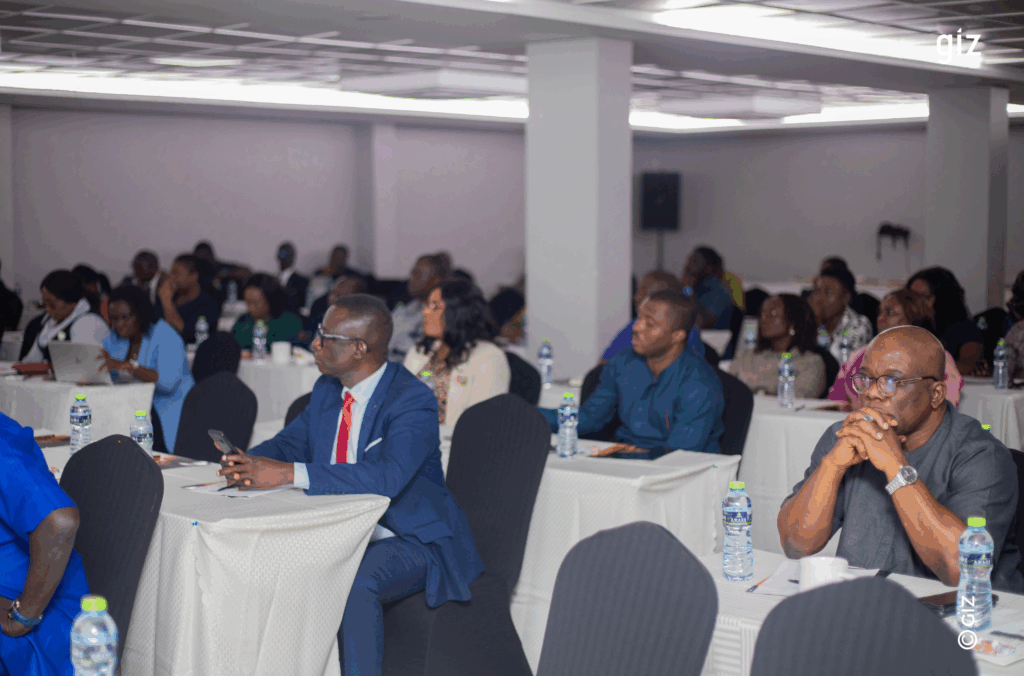
The training brought together over 190 directors and managers of COCOBOD, who are the individuals responsible for shaping the policies, programs, and culture of the organisation.
Significantly, 69% of attendees were men and 31% were women, reflecting a crucial step in engaging all genders in the journey toward equality.
The Affirmative Action (Gender Equity) Act, 2024 (Act 1121), mandates at least 30% female representation in decision-making roles by 2026, to reach full gender parity by 2034.
On behalf of the Deputy Chief Executive in charge of Operations of COCOBOD, Simon Crown, who is the Acting Deputy Director for Research and Development, welcomed participants and indicated that “This training is a strategic step in fulfilling the Ghana Cocoa Sector Development Strategy II (CSDS II, 2017/18–2026/27).
To achieve this, our programmes and projects must deliberately reflect the diverse needs, roles, and influence of both women and men in cocoa communities.
Hence, this training comes at a critical time as Ghana’s cocoa sector prepares to comply with international regulations such as the EU Deforestation-free Regulation (EUDR).
Gender equality is not a compliance requirement but a strategic necessity for sustainable cocoa production and resilient communities.”
Recognising that gender equality is not just a matter of fairness but of efficiency and sustainability, this training:
- Equipped leaders with practical tools and knowledge to embed gender perspectives into policies and operations.
- Encouraged the development of equal opportunities for men and women in all facets of cocoa production, management, and trade.
- Strengthened the capacity of COCOBOD leadership to champion gender equity as a central pillar of sustainable cocoa development.
Samuel Noble Quaque, Interim Country Coordinator for GIZ–Sustainable Cocoa Program, emphasised that gender mainstreaming is a key indicator in the EU co-funded program.
He highlighted that under the GIZ traceability effort with COCOBOD, farmer enumeration data shows 36% of Ghana’s cocoa farmers are women, surpassing the global benchmark of 30% female inclusion.
This, he said, should be realised in all the other supply chain segments of the Ghanaian cocoa sector.
He called on stakeholders across the cocoa value chain to advance gender equality, stressing that women’s contributions are vital for sustainable decision-making and sectoral growth.
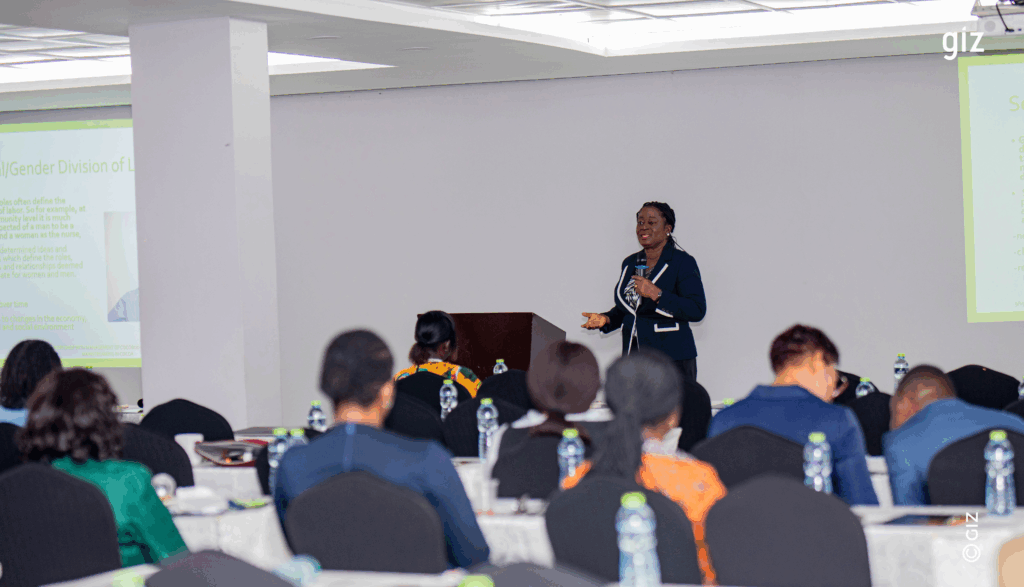
The lead consultant for the training, Rose Mensah-Kutin (PhD) from Abantu for Development, indicated that “Gender Equity corrects historical disadvantages so that equality becomes achievable.
If Ghana’s cocoa sector is to be transformative, inclusive, and sustainable, women must be at the table where power, decisions and budgets sit.”
In the coming weeks, GIZ-SCP will be supporting the Gender desk of COCOBOD to create a pool of trainers (comprised of technical staff of COCOBOD) to further train and sensitise supply chain actors on the gender policy for the cocoa sector.
The initiative ensures that gender equality becomes an integral part of institutional strategy, rather than an afterthought.
Anchored in global development priorities and national commitments to gender equity, this effort represents a major milestone in the journey toward a cocoa sector that is not just economically productive, but also socially just and inclusive.
The Sustainable Cocoa Programme is funded by the European Union and the Federal Ministry for Economic Cooperation and Development (BMZ).
It is implemented by Deutsche Gesellschaft für Internationale Zusammenarbeit GmbH (GIZ) in collaboration with Ghana Cocoa Board.
Latest Stories
-
Global InfoAnalytics poll puts John Boadu, Justin Kodua and Titus Glover ahead in NPP executive race
6 minutes -
Ghana to establish skills development university with $50m from German support package
12 minutes -
Baffour Awuah under EOCO investigation over alleged financial loss and money laundering – Deputy AG
18 minutes -
How healthy is Ghana’s health sector?
23 minutes -
HACSA Tech4Girls graduates 80 young women with digital and technology skills
24 minutes -
Arrest of Manhyia South MP should involve Parliament, not police station – Kpebu
57 minutes -
Two Nigerians sentenced to 189 months in US prison over $2.4m cyber fraud
1 hour -
Cristiano Ronaldo leaves Portugal’s training camp after rift with Head Coach
1 hour -
Ghana Energy Awards opens nominations for landmark 10th anniversary edition
1 hour -
Aayalolo contra-flow: Are we treating the symptom instead of the disease?
1 hour -
GTEC orders Colleges of Education to begin 2026/2027 admissions despite fees approval delay
1 hour -
Legal reforms must solve real problems, improve justice – Bagbin
2 hours -
Ofori-Sarpong named Alumni President of the Year, honoured for PRESEC dormitory project
2 hours -
Germany commits $132m to Ghana for skills development and training university – Pelpuo
2 hours -
‘Influence should go beyond visibility’ – Taadi Banyinba GH launches The TB Impact
2 hours